These destinations include the islands of Madagascar, Mauritius, Reunion, the Seychelles and the Maldives.
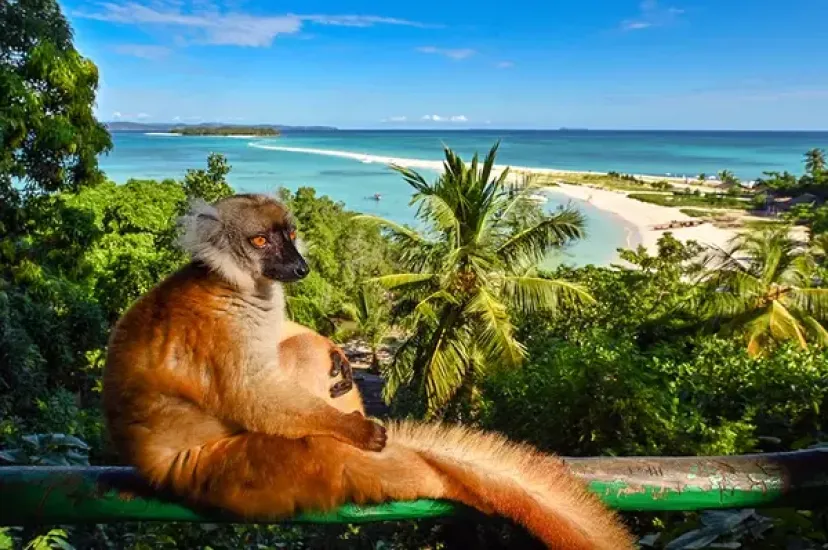
There are Unesco World Heritage sites throughout the region, including the Seychelles’ Aldabra Atoll, where the world’s largest giant tortoise population can be found, and Madagascar’s incredible rainforests, which are home to spectacular and unique wildlife such as the famed lemur. In fact more than 90% of Madagascar’s plant and animal species are endemic to the island.
Marine life in the Indian Ocean is equally exciting, with manta rays, reef sharks, sea turtles, brightly coloured coral reefs and much more making it a popular diving and snorkelling destination, while the beautiful landscapes and interesting culture to be explored on land is just as enthralling.
When to go?
Thanks to its sub-tropical climate, the Indian Ocean enjoys warm weather and plenty of sunshine throughout the year. Given the distances between them, most of the islands have slightly differing climates, with variable wet and dry seasons, winds and humidity. The predominant dry season is November to April, which is also the period in which expedition cruises operate in the region. Madagascar and Reunion do experience more of their rain during these winter months, but temperatures are warm and the destinations can still be enjoyed to their fullest.
Where to go?
Some expedition cruises will focus on exploring an archipelago of a single island nation, such as the Seychelles, while others will encompass multiple destinations, with Madagascar, Mauritius and Reunion being a common combination.
More extensive and far-reaching itineraries are also possible, with Sri Lanka, South Africa, Mozambique and Tanzania all possible as part of an Indian Ocean expedition. Given the sheer size of the Indian Ocean, entire days at sea are common on many itineraries.
Take a deeper dive into the Indian Ocean and discover which operators offer the region