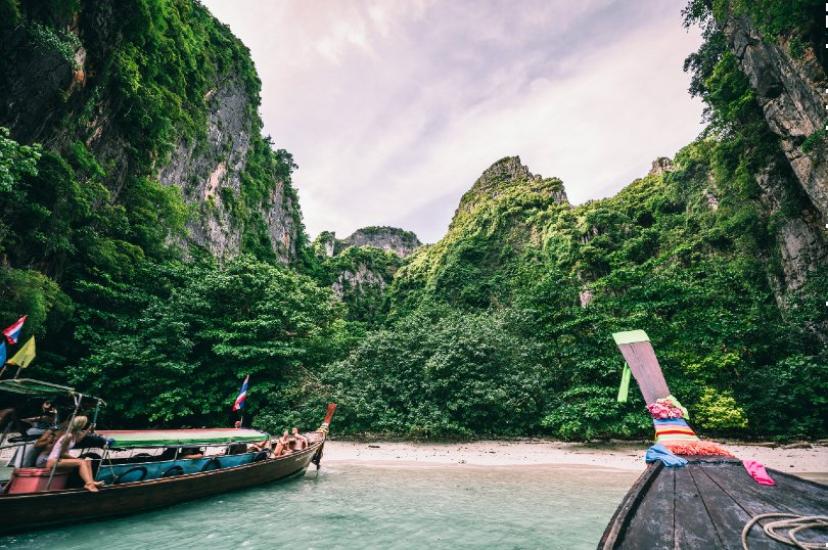
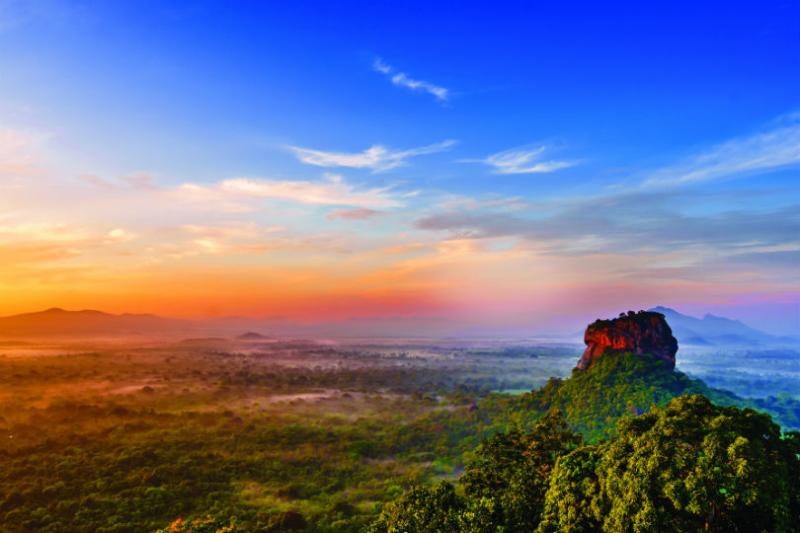
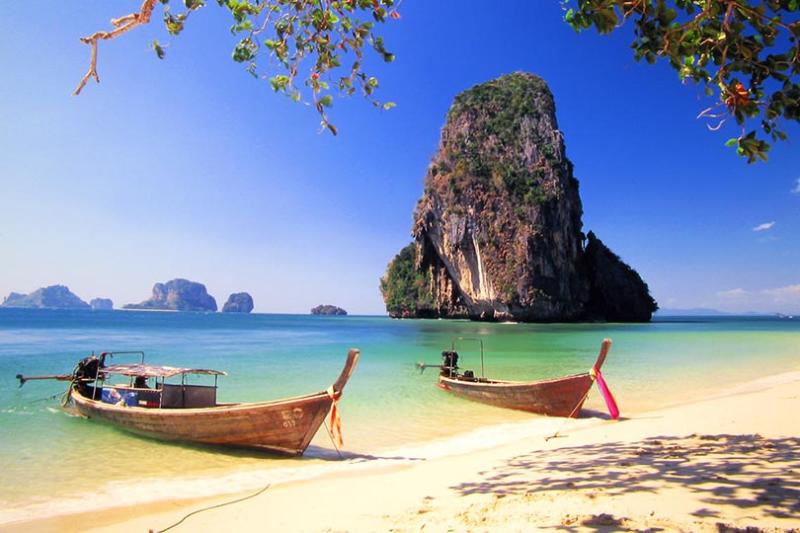
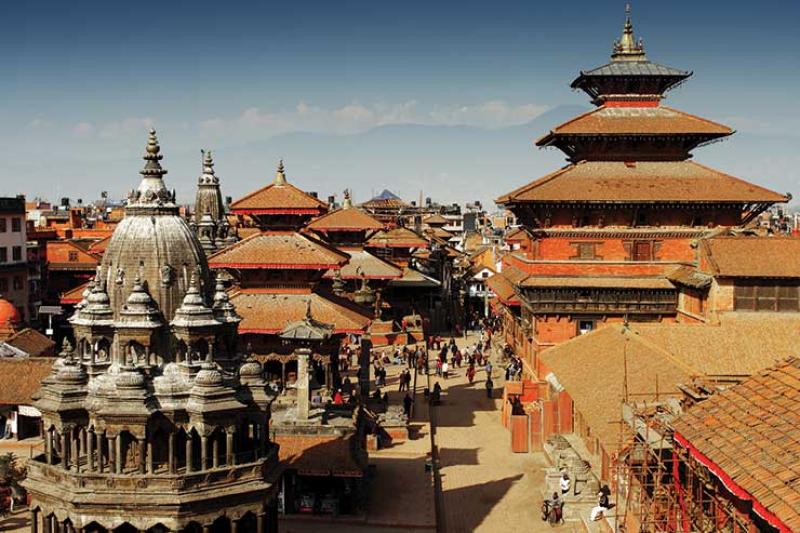
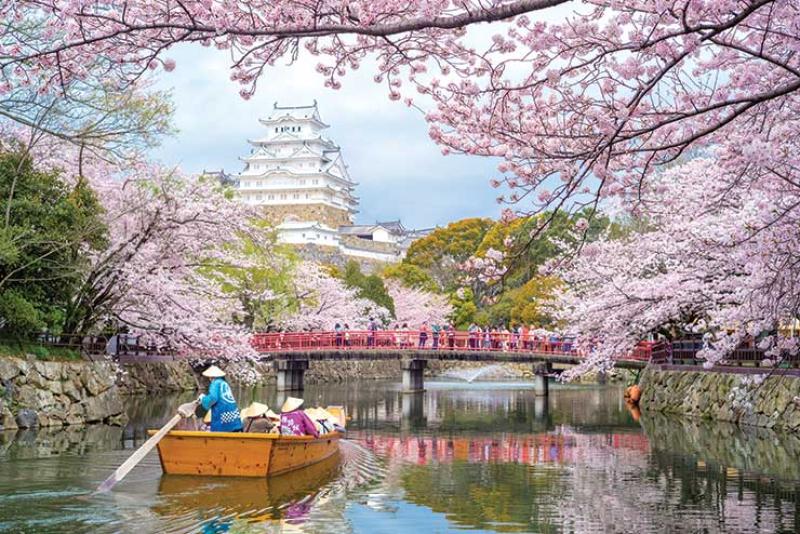
It’s little wonder then that operators reported a surge in interest the following day as people went to bed dreaming of those tropical paradises of yesteryear.
At this time of year, Asia provides these bountifully. But for holidaymakers, the region’s reopening looks set to be well behind other long-haul competitors like the Caribbean, US and Mexico.
Politically, many Asian countries are not democracies, and it could be for one person alone to decide when to lift restrictions without bowing to pressures other governments feel. Equally, a snap decision on reopening could be made without opposition.
Chris Crampton, Pata chair UK and Ireland, said one factor holding back Asia’s reopening was that the UK had experienced Omicron ahead of other nations that are equally important in providing tourism to the region. “Maybe we’re drumming our fingers waiting for others,” he said.
He believes Thailand will be among the first countries to reopen fully. “It is one of the most reliant on tourism,” he said. Sri Lanka, though, has stolen a march. It is already admitting vaccinated and pre-tested travellers.
“The biggest thing Sri Lanka did was to remove the requirement for test on arrival," said Crampton. "That kills it – people won’t risk flying halfway round the world to be turned back. Hopefully other countries will follow suit.”
Sri Lanka is a destination that needs tourism to return even more than most. Its tourism industry was devastated by the 2019 Easter terror attacks and, just as visitors began to return in early 2020, Covid hit.
Its determination to restart tourism means the island has one of the most liberal testing regimes, stipulating only that fully-vaccinated travellers should buy its Covid insurance, take a PCR test 72 hours before they arrive, and be screened at the airport.
Government statistics spell out why Sri Lanka is keen to get going. Global arrivals in 2021 fell nearly 62% compared with 2020 when the country was open for just over three months. Figures since the relaxation of rules are encouraging; December saw 89,500 arrivals, nearly half last year’s global total in one month. Britons made up 8,500 of these, third behind Russia and India. Total UK arrivals in 2021 amounted to just 16,646. This compares with nearly 200,000 in 2019, almost 21,000 of them in December and with the peak months of February and March each attracting nearly 30,000.
‘A lot of places have taken a step back’
February and March will hopefully see some pent-up demand released, because there is a lot of ground to make up; the Sri Lanka Association of Inbound Tour Operators estimates the country has so far lost $10 billion in foreign exchange because of the pandemic.
Amrit Singh, TransIndus managing director, said Asia region sales in January were dominated by Sri Lanka with “a little bit” of Cambodia, which opened – with restrictions - in December.
James Mundy, Inside Travel Group PR and partnerships manager, summed up the general problem with Asia. “There are still not many countries actually open at the moment,” he said. “Omicron has caused a lot of places to take a step back. However, Laos is open to international tourism, and Cambodia is open too. It’s just the airlines that need to catch up.”
The biggest missing piece of the jigsaw is Thailand. It effectively closed to UK visitors on 21 December last year but kept open the Phuket "Sandbox" zone and a week-long quarantine option for those visiting other regions. In early January, this was extended to Krabi, Phang-Na and Surat Thani, serving the islands of Ko Samui Ko Pha-ngan, and Ko Tao – all accessed through Phuket airport.
The Sandbox allows fully vaccinated international visitors to forego quarantine. However, visitors must stay in an approved hotel and are only permitted to move to other provinces after seven Covid-free nights. They must also pay for PCR tests before and during their stay.
From 1 February, Thailand will resume Test & Go, although travellers will have to pay for three PCR tests, including a pre-departure test in the UK. Authorities hope at least one of these will revert to the cheaper lateral flow test as before.
Khun Chiravadee Khunsub, Tourism Authority of Thailand UK and Ireland director, said: “From 1 February, you don’t have to use the Sandbox, you can fly into Bangkok. You spend the first day in a hotel, get a negative result and are free to go. One day five, you go back in a hotel and take a test. It’s more flexible than the Sandbox.”
‘Mother Nature has learned to relax’
Thai Airways, which has been operating daily to Bangkok via Phuket during the special measures, will resume its normal double-daily non-stop schedule, she said, with Eva Air planning a February resumption to the Thai capital. Tui is set to resume Gatwick-Phuket flights on 25 February.
Thailand attracted 998,000 UK visitors in 2019, but only 38,000 in 2021 – 10.6% of the global total. Pre-Covid, Thailand saw 40 million visitors globally. Khunsub said it was “very difficult” to predict when numbers would return. She said sustainability issues meant that post-pandemic, a more responsible approach to tourism would be taken.
“Tourism has been suspended for two years and Mother Nature has learned to relax, Thailand is like it was 20 years ago,” she said. Limitations on visitor numbers have been placed on some sensitive locations. “The plan is to be in control of carrying capacity – that’s being implemented by the national parks.”
Premier Holidays’ Far East product manager John Parker said: “Thailand has been the most proactive. The rules have sometimes been quite complicated. However, once negotiated, client feedback is very positive. Being the first country in the Far East to open its borders is a very strong message for future travel and has given many the confidence to book for travel over the next 12 months.”
Singh, however, is frustrated: “Thailand is selling the beach portion, but that’s not really our domain. Once the mainland opens properly, we have bookings in the pipeline.”
She added: “Our principal destination is still India and that continues to be closed. I suspect it won’t open until March. February is our best month [for India]; we have hundreds of clients booked and they will have to be shifted, the majority to October,” she said.
Singh tipped Nepal to recover quickly due to its comparatively relaxed entry requirements and low incidence of Covid. “It’s very easy, just a PCR before arrival," she said. "People mostly go in summer for walking and trekking, I think it will be very busy.” Online visas have now been reinstated for UK visitors, she added.
‘Next few months may be the best time to visit’
Premier Holidays, meanwhile, highlights Singapore as a good example of controlled reopening. Singapore admits jabbed visitors using its Vaccinated Travel Lane flights via its national carrier. “Again, entry does come with quite a few rules and procedures, but Singapore has been excellent at communicating these,” said Parker.
“Given its reputation as a clean and safe city, we expect Singapore to do very well once more countries in the region open their borders and clients can use the city as a stopover. This will be helped no end by a very proactive and efficient national carrier; Singapore Airlines has been one of our most popular long-haul airlines during this pandemic.”
Some specialists have really had to improvise during the pandemic. China specialist Wendy Wu Tours has budgeted for no Asia departures until September and has switched its focus to Europe, albeit with Sri Lanka departures scheduled for February and March. Chief executive Glen Mintrim said: “I think Thailand will be one of the first countries open, with Vietnam and Cambodia next.”