Here you’ll find a selection of cultural, community and environmental initiatives to recommend to your clients or build into their itinerary, plus some general responsible travel tips to share with your clients pre-departure.
COMMUNITY & ENVIRONMENTAL INITIATIVES
By recommending the following community and environmental initiatives to your customers, you can help them leave a positive impact on the destinations they visit:
Garifuna Trail
The Garifuna Trail offers travellers a chance to immerse themselves in the rich cultural heritage of the Garifuna people, who are descendants of African, Arawak and Carib ancestry. Visitors will participate in traditional drumming, dance and cooking classes, and learn about the communities’ history, language and traditions. The initiative supports the preservation of Garifuna culture and directly supports 50 small businesses from Dangriga to Seine Bight; all owned by the Garifuna people.
FIND OUT MORE AT BELIZEGARIFUNA.COM
San Antonio Women’s Cooperative
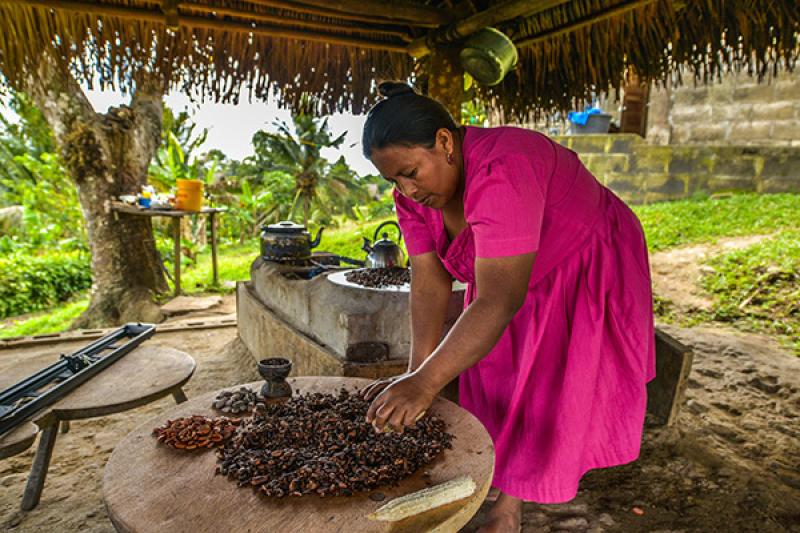
This Planeterra cooperative in the Cayo District is run by local Maya women who produce and sell traditional crafts, such as pottery and textiles. Visitors can take part in pottery-making workshops, tortilla-making classes and guided tours of the cooperative. The cooperative empowers local women, promotes traditional Maya crafts and fosters economic self-sufficiency.
FIND OUT MORE AT PLANETERRA.ORG
Hol Chan Marine Reserve
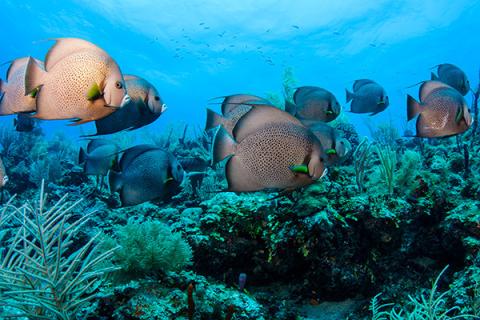
This is one of Belize’s most popular marine reserves, established to protect the coral reefs and marine life. The conservation area offers snorkelling and diving in designated areas while following guidelines to minimize environmental impact. The reserve helps preserve marine ecosystems and supports sustainable tourism practices.
FIND OUT MORE AT HOLCHANMARINERESERVE.ORG
Belize Zoo and Tropical Education Center
A haven for rescued and rehabilitated native animals, the Belize Zoo focuses on wildlife conservation and education. The zoo offers guided tours that educate visitors about Belize’s wildlife and conservation efforts, which promotes awareness of wildlife conservation and supports the care and rehabilitation of rescued animals.
FIND OUT MORE AT BELIZEZOO.ORG
Coral Nursery by Fragments of Hope
Fragments of Hope is a community-based organisation dedicated to the restoration of coral reef habitats that has established a coral nursery to propagate and out-plant resilient coral species. Visitors can learn about coral restoration techniques and even participate in coral planting activities. It supports the restoration of coral reefs, promotes marine biodiversity and contributes to the resilience of marine ecosystems.
FIND OUT MORE AT FRAGMENTSOFHOPE.ORG
RESPONSIBLE TRAVEL TIPS
By sharing these responsible travel tips with your customers before their departure, you can encourage them to travel responsibly:
Before travel
Choose a tour operator that is transparent about its sustainability initiatives. Does it hold any certifications such as B Corp? Does it use local guides? What are its climate initiatives and animal welfare policies? Does it offer positive-impact experiences such as citizen science projects or local community visits?
Think about taking a longer tour in a year instead of two or more short ones to limit the number of flights you take. Always fly direct where possible.
Learn as much as you can about the destination you’ll be visiting, including the language, religion, culture, rules and values. This could include tipping culture, body language, forbidden foods or drinks, or any other day-to-day behaviours. Educate yourself on what’s the norm, what’s acceptable and what’s not so you can be sensitive to any cultural differences.
Pack suitable clothing. If a destination’s main attractions require covered heads or shoulders or long trousers or skirts, ensure you add plenty of options to your suitcase. It’s often considered respectable to adhere to these rules outside of attractions as well as inside, where possible.
Think about borrowing any specific gear required for your holiday from friends and family. Not everything on your packing list needs to be bought new.
Take part in Pack for a Purpose, an initiative that encourages travellers to bring supplies needed by local communities and projects. Check with local organizations or your accommodation to see if they participate in the initiative, then if they do pack items such as school supplies, medical supplies, or other requested items to contribute to community development projects.
Pack a reusable water bottle, metal straw and reusable shopping bag (if not provided by the operator – always ask the question) so you don’t need to buy plastic bottles of water, use plastic straws or accept a plastic carrier when exploring in destination.
Consider taking solid soaps and conditioner bars rather than miniature toiletries, so you don’t leave any empty bottles behind.
Ensure your suncream is reef-safe. Many sunscreens contain chemicals that can harm coral reefs and marine life, so choose sunscreens labelled "reef-safe" or "marine-safe", which do not contain harmful chemicals like oxybenzone and octinoxate.
During the holiday
Carefully consider your transport to the airport. Can you take a train instead of fly? Can you take a coach instead of a taxi? Always ask yourself these questions once in destination too.
Take part in citizen science projects or positive-impact community visits your tour operator is offering. This is a small action you can take that makes a huge difference.
When visiting local communities, always ask before photographing or videoing the people who live there. And be understanding if they do choose to decline the request.
Shop local. If you’re visiting far-flung or rural communities, contribute to their economy (which likely depends on tourism) by eating in their restaurants when advised by tour leaders, making purchases in their markets, choosing locally-owned tour operators and accommodation, and making souvenir purchases in their shops. It’s important to make sure money funds the destinations you visit as well as the tour operators themselves, but when supporting these local businesses ensure you steer clear of products made from animals or precious resources e.g. coral, bone or teeth jewellery.
Try to eat meat-free or cut down your consumption of red meat, which has high carbon emissions. Even avoiding meat for one or two days of your holiday can make a difference.
Instead of visiting the top tourist attractions in a destination, seek out lesser-visited but equally-enticing options to disperse economic spend and avoid crowding.
Never visit orphanages, schools or purchase trinkets from children, as these actions can contribute to child exploitation. Instead, donate to an organisation or charity that supports these youngsters, their families and their futures.
Tour operators often have strict animal welfare guidelines in place so always ensure you adhere to these. Observe animals from a distance, do not feed or touch them, never take part in animal encounters where the animal cannot move away and if you do have the opportunity to visit domesticated or wild animals in captivity then do your research to make sure the facility is a reliable and respectable sanctuary. Follow guidelines provided by local tour guides. Marine wildlife should be approached slowly and calmly, and as quietly as possible, while departing wildlife should not be chased and engines should be switched off when close to wildlife. Creatures should never be surrounded.
After travel
Uphold any commitments you made to local charities or organisations during your holiday, and think about ways you can continue your support from afar.
When talking to friends and family about all the amazing experiences you had on your holiday, tell them about the positive impact you had on the local communities and environments – and why it enriched your trip. This will hopefully encourage them to do the same and therefore increase the benefits of more responsible travel around the world.
Feel free to share these responsible travel tips with clients by email, newsletter, social media, in conversation or by adding them to your website.