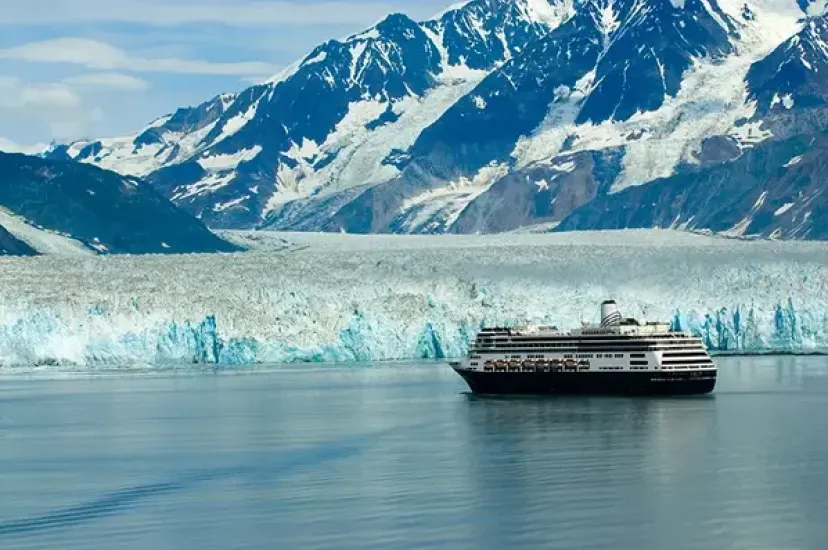
Encompassing the northern parts of Scandinavia, Russia, Canada, Greenland and Alaska, it’s as vast as Europe in size and characterized by its distinctly polar climate and wildlife.
Glaciers, icebergs and extensive ice floes epitomise the Arctic’s frozen landscapes, but this region is also home to spectacular fjords and towering cliffs, vast stretches of tundra, impressive geysers and volcanoes, sparkling lakes and coniferous forests. The abundance of wildlife is another main draw, with its native polar bear, a variety of whale species, seals, walruses, musk oxen, reindeer, Arctic foxes and an incredible range of birdlife all to be found here. And, of course, there’s the Northern Lights, plus fascinating human history.
When to go?
The cruise season runs from May to September, when temperatures are warmer and ice conditions enable safe access, there’s plenty of daylight, and the wildlife bursts into life. High season is June to July, when the weather is at its warmest and the sun almost permanently in the sky. Late May to early June tends to provide the best wildlife spotting opportunities, while mid-August to September is your best chance of seeing the Northern Lights.
Where to go?
Some of the most popular regions, routes and specific landmarks include Spitsbergen and the rest of the Svalbard archipelago; Iceland; the Northwest Passage, which can take in Greenland through Arctic Canada and on to Alaska; Jan Mayen Islands; Scoresby Sund; Baffin Island; Disko Bay; and Thule. Not forgetting the opportunity to sail through the pack ice and reach the geographic North Pole itself.
Take a deeper dive into Arctic and discover which operators offer the region