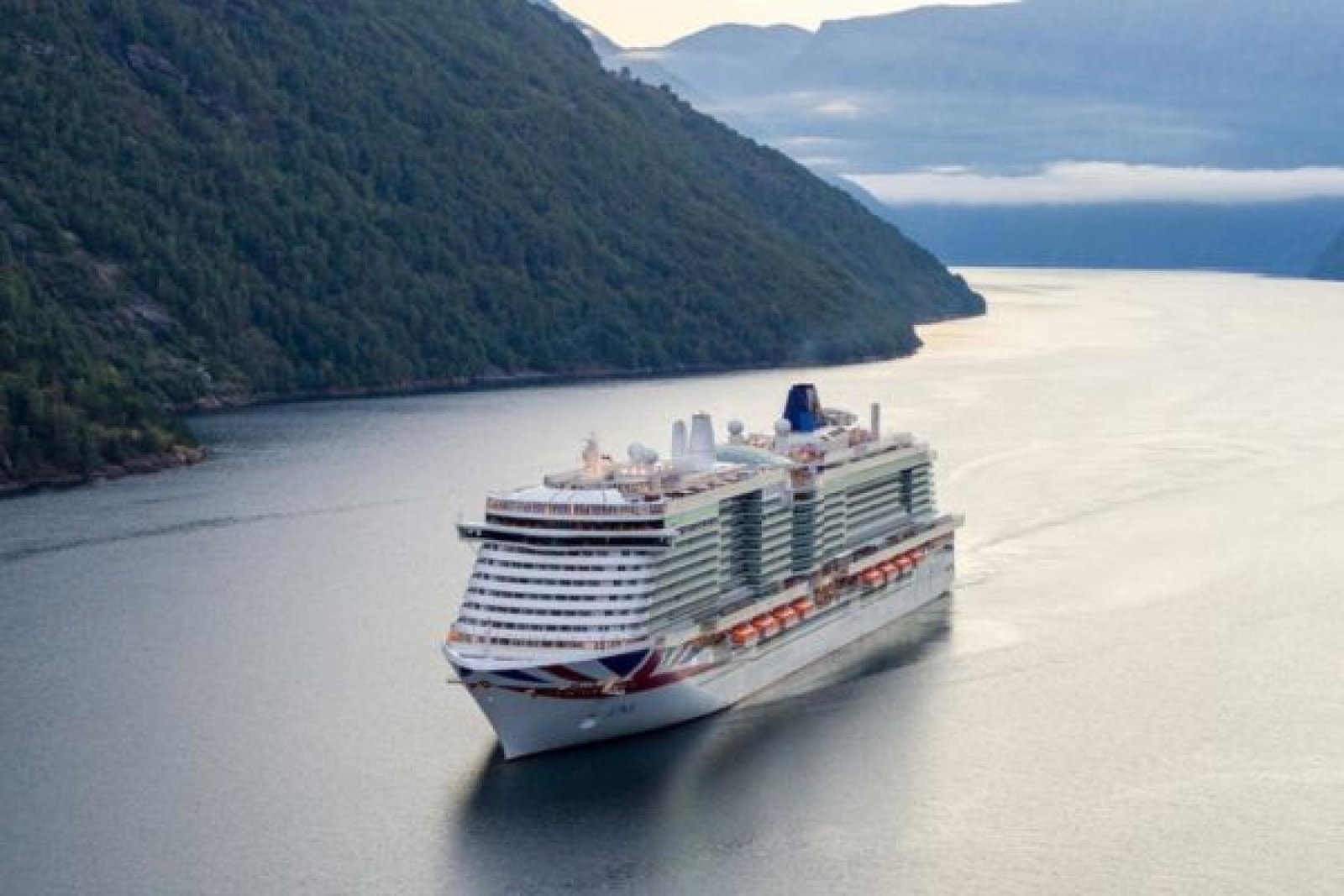
The figure is disclosed in the group’s first independent Economic Impact Report (commissioned independently by WPI Economics), highlighting the links between the group’s cruise operations and the potential for local, regional and UK-wide economic growth.
The research uses data from across Carnival Corporation & plc’s entire UK-based operations. Its key findings include:
- Southampton turnarounds: Each time one of the Corporation’s largest ships homeports in the UK it contributes up to £2.5 million to the economy from supply chain and guest spending. With over 700 calls to the UK in 2024, carrying almost two million guests from across the brands, this turnaround value equates to £505 million per year. Over the next five years, the combined value to the UK economy is projected to exceed £2.5 billion.
- Travel Agents: Carnival’s contribution extends to every local authority in the UK, with the Corporation’s cruise bookings made through local travel agencies and over £100 million generated annually in travel agent commission fees, underpinning the strength of their high street presence.
- Tourism: visits on cruise ships often precede repeat holidays taken in the UK by international guests. The potential future tourism value from returning international visitors created by Carnival Corporation’s cruises is predicted to benefit the economy by £147 million annually.
Carnival UK & P&O Cruises president, Paul Ludlow, said: “As the largest cruise operator in the UK, we are extremely proud that our organisation will be contributing over £2.5 billion to the UK economy over the next five years. This is particularly important given our impact in the Solent where we are the largest private sector employer in Southampton, especially at a time when economic growth is of utmost importance to the country.”
Maritime minister Mike Kane added: “Our maritime sector is instrumental in building a diverse, resilient tourism sector and Carnival UK’s economic report is critical in setting out the multimillion-pound and widespread impacts generated across the UK’s economy."