How much does it cost to become a travel agent?
Interested in setting yourself up as a travel agent but unsure of the costs involved? Here are five key expenses to think about before taking the plunge
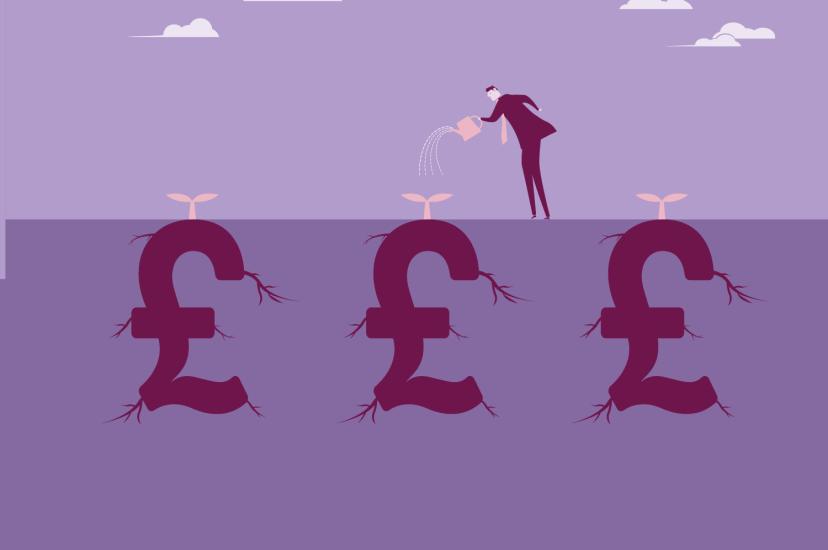
Want to become a travel agent? Here are 5 major costs to consider
It’s possible to become a travel agent with no costs attached by joining an existing travel agency - either as an apprentice or in a junior role and learning on the job. However, if you want to set up your own business, there are usually a few costs you will need to factor in.
- Travel agent training costs
Home-based agents starting their own business will receive training with the cost built into the price of joining their host agency. These costs and the amount and quality of training can vary.
If you are setting up as a solo start-up or want to improve your professional development, there are additional options. Industry bodies such as Abta and ITT are good places to start. ITT’s Travel Uni platform offers free online training modules while Abta runs training days and seminars from around £400 for non-members.
- Franchise and homeworking costs
Buying a franchise is an increasingly popular way to become a travel agent. It allows you to run your own business while receiving support, training and brand credibility.
Here are a few examples:
- The Travel Franchise (Lite package): Five days training from £2,995 + VAT.
- Travel Counsellors’ Travel Academy: Ten days of virtual classroom training plus six months of ongoing training and support for £5,000 + VAT.
- Hays Travel Explorer Franchise package: Five-day training course for £5,995 + VAT, plus a monthly management fee of £99 + VAT.
Alternatively, the Hays Travel New to Travel Academy (consultant model) – for those who don’t want to own a business – costs £8,000 + VAT.
- Licensing fees for travel agents
If you join a franchise, licences are often included in the package. But if you set up independently, you’ll need to cover them yourself.
Atol (Air Travel Organisers’ License) – issued by the CAA, mandatory for any business selling flight-based packages.
- Standard Atol: A fixed fee of £2,503, plus a charge of 15.70 pence per passenger.
- Small Business Atol (SBA): A fixed fee of £1,477, with no per-passenger charge.
- Atol Franchise Member: For fewer than 1,001 passengers, the fixed fee is £942.
Abta Membership – provides financial protection for non-flight packages such as cruises and coach tours.
- Application fee: £750 + VAT
- Joining fee: £1,250 + VAT
- Annual subscription: varies by business size.
TTA (Travel Trust Association) – membership network offering full consumer protection and business support. Various membership options available plus application fee of £150 + VAT.
Protected Trust Services - another membership network offering full consumer protection and business support. Various membership options available plus application fee of £150 + VAT.
- Insurance costs
Insurance is essential to protect both you and your customers. Some franchise or homeworking packages include this, but always check the details.
Types of cover you may need:
- General business insurance: May include office contents, computers and business interruption insurance.
- Professional indemnity insurance: Protects against legal claims from customers or suppliers. Essential for agents.
- Public liability insurance: Important if you see clients in person; some policies may include cover for data breaches in online sales.
Costs vary depending on provider and business size, but expect several hundred pounds annually.
- Marketing costs
Word-of-mouth may win you business once you get going but initially marketing is essential to attract clients.
You can go down the route of posting for free on social media, though to expand your reach you might need to look at paid options such as social adverts or Google search campaigns.
If you join a host agency or homeworking company you will likely have access to plentiful resources and support and depending on which organisations your agency is affiliated with, such as Abta, Aito or Clia, you may have access to the guidance and promotional tools they offer members.
If you’re setting up independently, factor in costs for a website, branding, and email marketing tools.
Budget at least a few hundred pounds to get started, with room to scale as you grow.