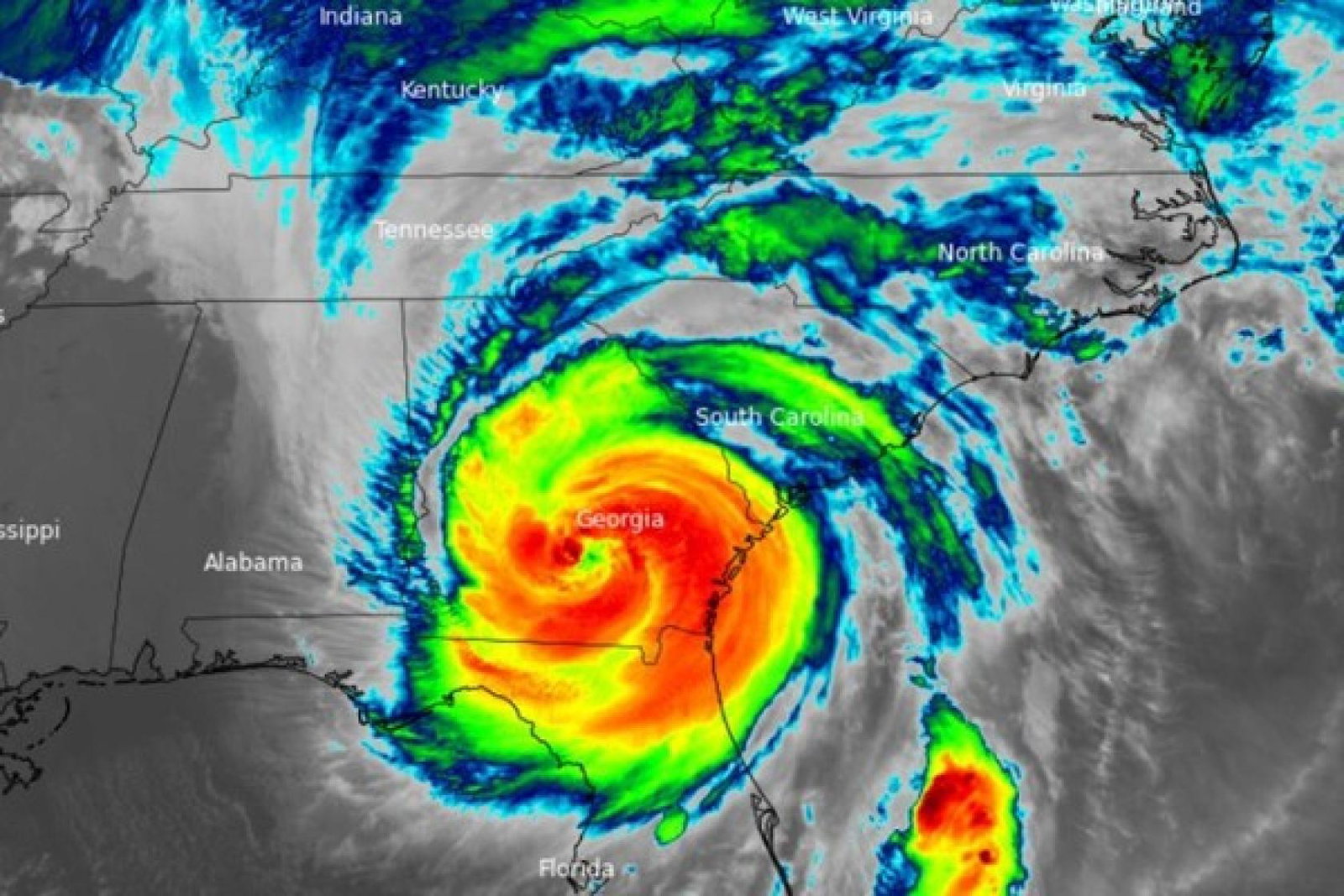
The US National Hurricane Center said Florida’s Big Bend region was likely to feel the harshest effects of the storm, including flooding and storm surges "20 feet above ground levels" and "destructive waves”.
However, life-threatening conditions are forecast along all of Florida’s western Gulf coast – which is home to tourist hotspots such as Tampa, Fort Myers and Sarasota.
Tampa airport was closed on Thursday, forcing dozens of cancellations, although services are expected to operate as normal once the airport reopens on Friday (27 September).
Formed on Tuesday (22 September) in the Caribbean sea, Helene has gained strength over the past three days, bringing high winds and heavy rain to Cuba and Mexico’s Yucatan peninsula before making landfall in Florida.
Governor Ron DeSantis has urged residents to stay indoors after a motorist was killed when a road sign fell on their vehicle.
"When Floridians wake up tomorrow morning, we’re going to be waking up to a state where, very likely, there’s been additional loss of life and there’s going to be loss of property,” DeSantis added.
A third storm, Tropical Storm Isaac, is also heading towards Florida.
States of emergency have also been declared in Georgia, North Carolina and South Carolina, where winds have reached speeds of up to 77mph.
"Hurricane Helene will be a state-wide event,” wrote Georgia governor Brian Kemp on X (formerly Twitter). “For the next several days, keep your devices charged with the sound on, be mindful of weather alerts and updates and follow the links below for up-to-date emergency information."
Meanwhile, in Mexico, Hurricane John has claimed 10 lives after passing through the western states of Colima, Michoacan, Guerrero and Oaxaca – the latter two home to resort towns like Acapulco and Puerto Escondido.
“Please follow the advice of local authorities and your tour operator, including any evacuation orders,” said the Foreign Office in an update to its travel advice for Mexico.
Forecasters are predicting an "above-normal" Atlantic hurricane season this year, which could see 17 to 25 named storms hit the region during the period to November, with eight likely to become hurricanes.