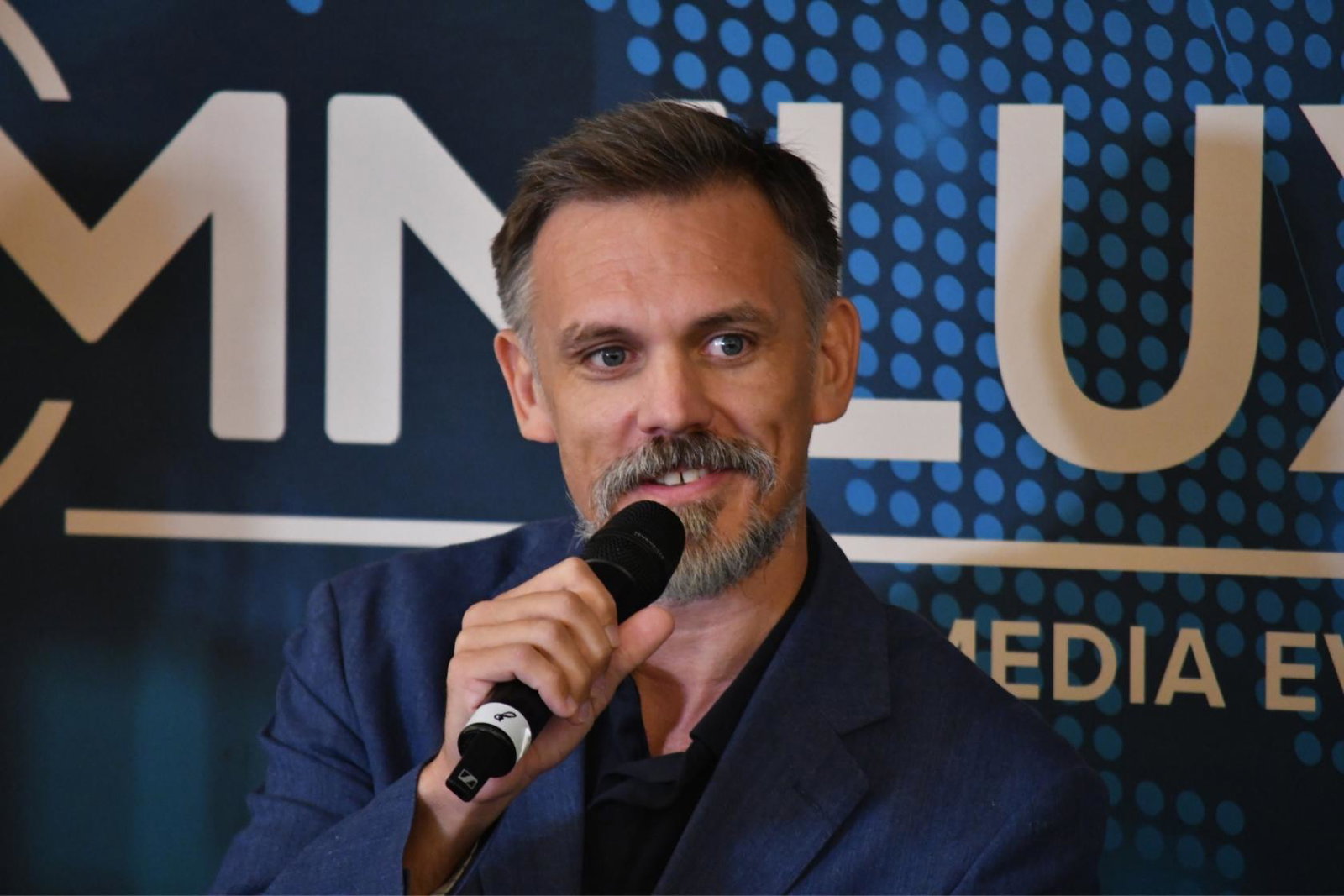
Edward Hooper, Chief Executive at LQA, believes luxury advisors are being held back by misconceptions about people who have £30 million or more in personal assets.
“Ultra-high-net-worth people are just normal people at the end of the day,” he told TTG at the IMMLux UK in London on Monday.
“I think this is something that we get really obsessed about sometimes. We believe they belong to a social strata that is completely disengaged from the rest of reality.”
Rather, Hooper emphasised that most individuals in this group – which represents around 0.03% of the world’s population – are not blowing their earnings on extremely pricey travel experiences.
“Yes, there are some that are very upper echelon, who are billionaires and spend millions on their trips – but most spend a quarter of a million or half a million on a holiday,” he said.
“They feel like they’ve got enough money to go and choose what they want to do, but they're not going to go and buy a super yacht or a private jet tomorrow.”
Agents must therefore understand that UHNW travellers still want value for money.
“If they’re dropping a quarter of a million on a holiday, they will notice it in their bank accounts,” Hooper said. “So they want confidence in what they’re spending.”
The industry veteran does not believe, however, that this confidence can be secured simply by booking a luxurious hotel.
“These days, expectations for the product will likely already be met, because you’ve probably seen so many photos of the suite or spa online already,” he explained. “So what’s left to make the difference? It’s the service.”
For advisors, this means careful co-ordination with suppliers to create a seamless experience. Value is added in every touch point – transfer vehicles are customised, private dining rooms are blocked out, and favourite snacks are replenished on rotation.
All of this requires “getting to know the client as a person first, and as a guest second,” says Hooper.
“Think about the things that worry them – will the trip be worth their money? Worth their time? Time, especially, is important, because you can’t get that back.”
Connected Privacy
Hooper also noted that UHNW travellers often seek privacy to avoid other guests, as opposed to hotel staff or locals.
“From a psychological perspective, I think these individuals are craving time with people who aren’t wealthy or who aren't just talking about business all the time,” he said. “A lot of them also have grown up in a normal income bracket and then became rich later in life.”
Hooper has noticed this behaviour is especially evident in UHNW families, who often develop deep relationships with the hotel’s childcare team. “They’re very wealthy and they are trusting someone who’s on £20,000 or £30,000 a year – and that trust is real. They can have some really intimate moments.”
De-guilting Experiences
Hooper also believes that wealth disparity, rising within individual countries, is affecting how UHNW individuals are spending their leisure money.
“I think buying ‘stuff’ is becoming very unfashionable because of this social divide,” he said, noting the cost-of-living crisis and governmental restrictions on buying properties. “But I think the desire to have experiences, wanting to meet people from another place, will only grow.”
Hooper added that UHNW travellers are increasingly conscious of leaving a positive social and environmental impact on a destination, possibly as a way of “de-guilting” their otherwise lavish lifestyle.
“They’re acutely aware of what’s happening in the world, and their children are too,” he said. “So you’ve got kids pulling at their parents, making sure they’re thinking about these things. So they’ve got to be comfortable spending their money, to know it’s going to the right place.”