Tucked away in the South Atlantic, St Helena’s island’s compact size – at just 47 square miles – belies its staggering diversity. This treasure trove of endemic species and diverse scenery across land, sea and air offers an array of opportunities for wildlife enthusiasts to connect with nature.
A birdwatcher’s paradise
St Helena’s birdlife is one of its key selling points, and the incredible range of species means the island is a haven for birdwatchers. The St Helena plover – or wirebird – is perhaps the most iconic of the island’s feathered residents. This quirky endemic bird can often be seen wandering near the Millennium Forest, weaving through the island’s unique flora.
In the skies above, red-billed tropic birds perform aerial acrobatics, and your clients can watch them swoop and dive in search of fish, with their long tails flowing in the wind. They may also spot masked boobies, as these large white sea birds breed on the island, and the Maderian storm petrel, which nest in cliff burrows after days hunting at sea.
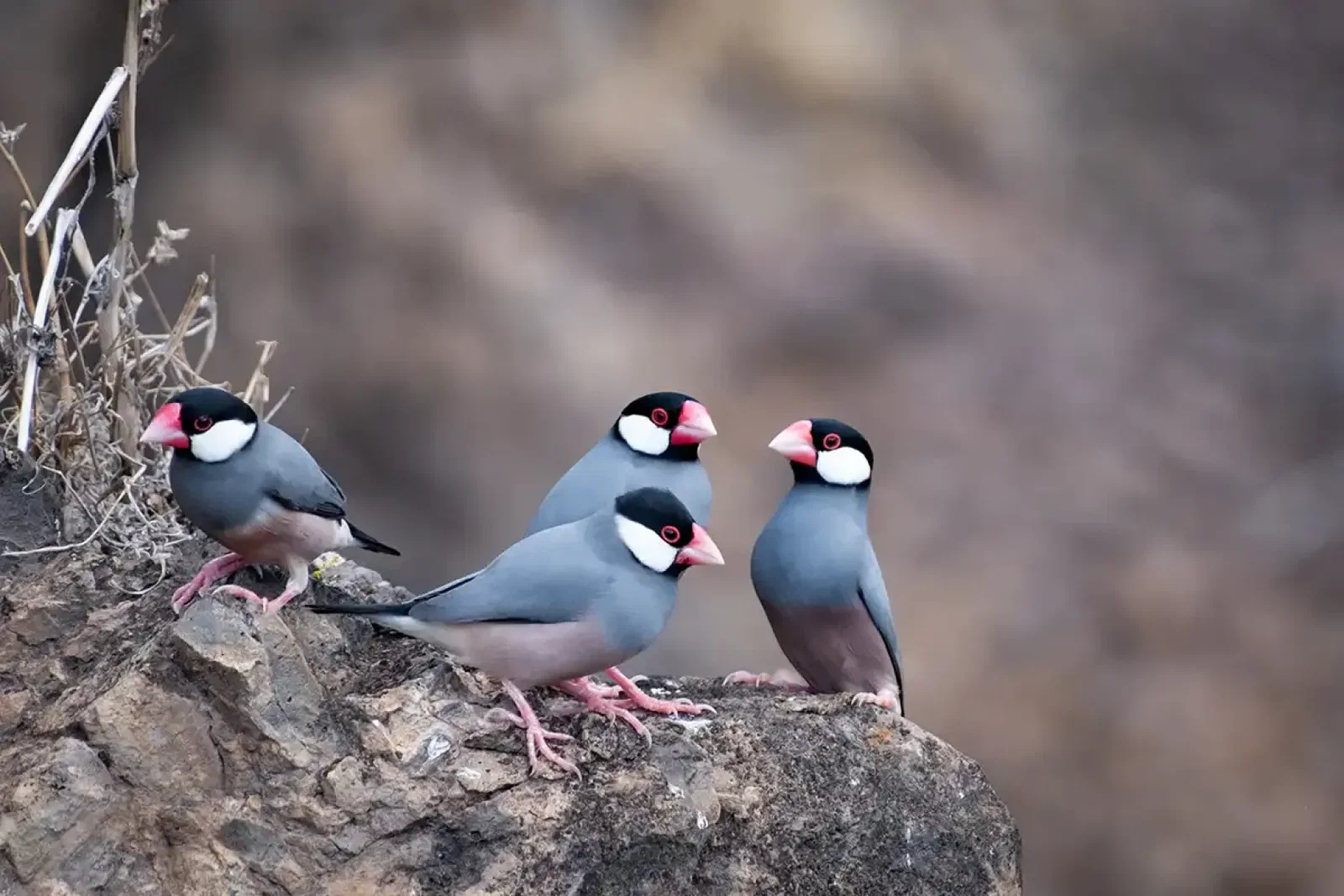
And when they visit the capital Jamestown, dainty fairy terns can be observed along the waterfront or in garden trees. Java sparrows can also be seen here, and often hop around in pairs.
VISIT THE TTG ST HELENA SELLING GUIDE
Spotting whale sharks
St Helena is recognised as a Mission Blue Hope Spot, a designation given to areas deemed critical for ocean conservation. From December to April the surrounding waters are a sanctuary for whale sharks – the largest fish in the world. Males and females gather here in equal numbers, presumably to mate. It’s a phenomenon that scientists know little about, making St Helena a special place for whale shark sightings.
Clients can join boat and snorkelling tours to see them in their natural habitat – get top tips on respecting wildlife and travelling responsibly in the St Helena Selling Guide.
‘Shell-abrating’ nature
Back on land, the blushing snail is one of the island’s tiniest inhabitants at around 1cm wide, with a glossy golden amber shell. This delicate creature can normally be spotted throughout the central peaks of St Helena, including in the native cloud forests, as well as in pastures and along stream gorges, serving as a symbol of the island’s incredible biodiversity.
And don’t forget to highlight St Helena’s most famous resident, Jonathan. He’s one of several giant tortoises living in the grounds of Plantation House, the residence of the Governor of St Helena. Estimated to be around 193 years old, he’s the world’s oldest known living land animal. Visitors to Plantation House can see the tortoises roaming free in the grounds.