With 46 properties and 31,600 beds in 32 cities across ten European countries, Europe’s largest hostel chain continues to set sustainability standards with concrete milestones, clear goals, and transparent tracking.
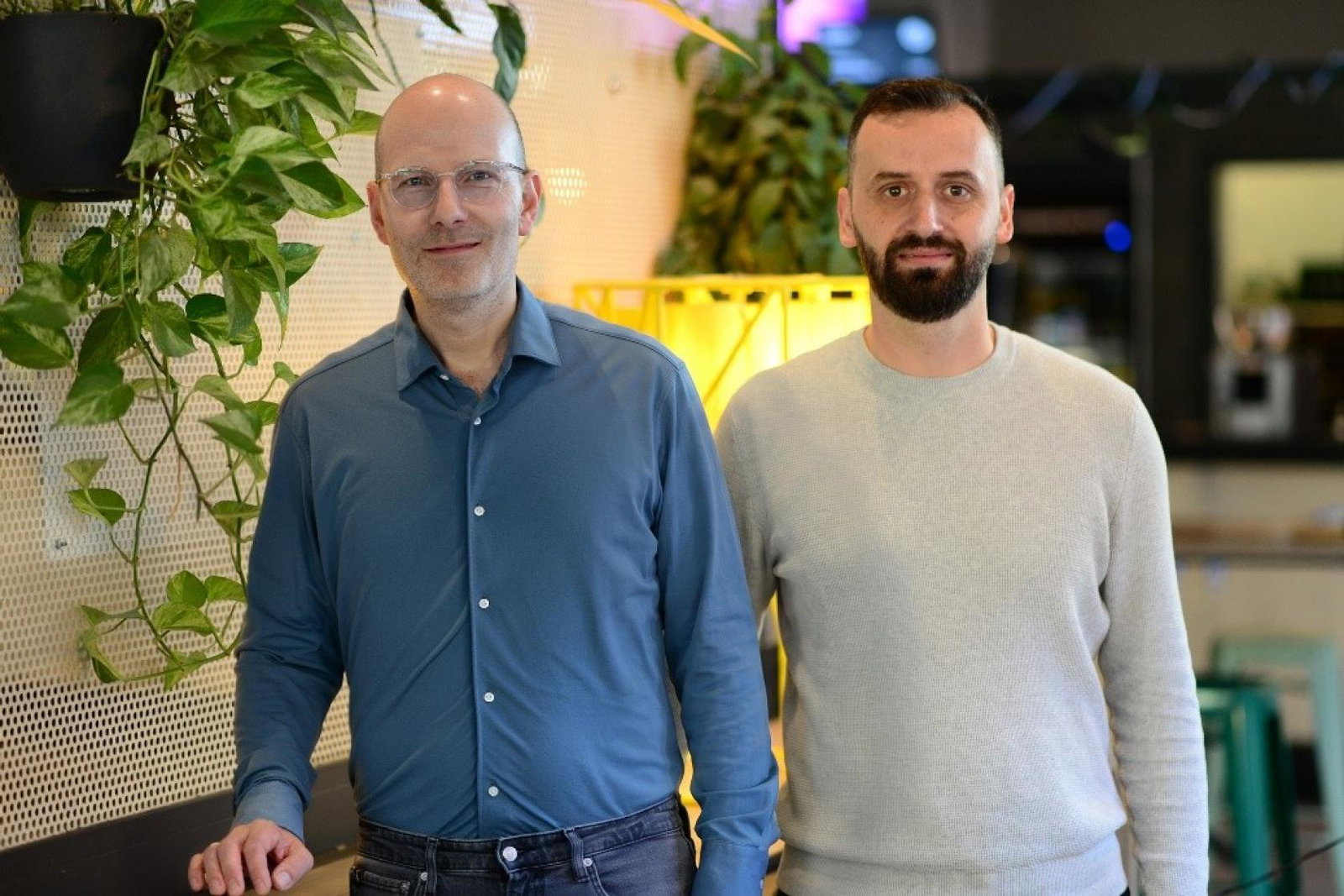
ESG Director Arben Maliqi presented this fourth report, noting that CO2e emissions per overnight stay fell 1.9% compared to 2024, down to 3.58kg.
Incorporating four new repurposed properties caused a slight 3.1% rise in total emissions to 13,575 metric tons. Of 46 properties, 43 are conversions, including the new a&o London Docklands Riverside, located inside a 17th-century warehouse.
Its next major project, “a&o Berlin Checkpoint Charlie,” converts a vacant office building. Partnering with the Technical University of Berlin, a&o is conducting a life cycle assessment here to serve as a blueprint for future conversions.
A&o’s sustainability focus is on direct, verifiable emissions reductions within its own operations and value chain. This includes optimizing energy efficiency, expanding the use of renewable energy, reducing waste, and collaborating closely with suppliers. External offsetting solutions are avoided.
CEO Oliver Winter noted: “The travel industry is evolving, and a&o is shaping this by combining growth with responsible resource use. We will work with partners to foster resource-efficient, socially responsible travel.”
In addition to measurable energy-related measures, social engagement is another key component of the a&o sustainability strategy. This includes investments in training, education, and health management for the more than 1,300 employees, as well as support for social and cultural projects.
In 2025, a&o hosted nearly three million guests, accounting for 6.6 million overnight stays. Since measurements began in 2015, a&o has been able to reduce CO2e emissions by 76 percent to approximately 3.58 kilograms per overnight stay.
See the latest Sustainability Report here: aohostels.aflip.in/Sustainability_Report