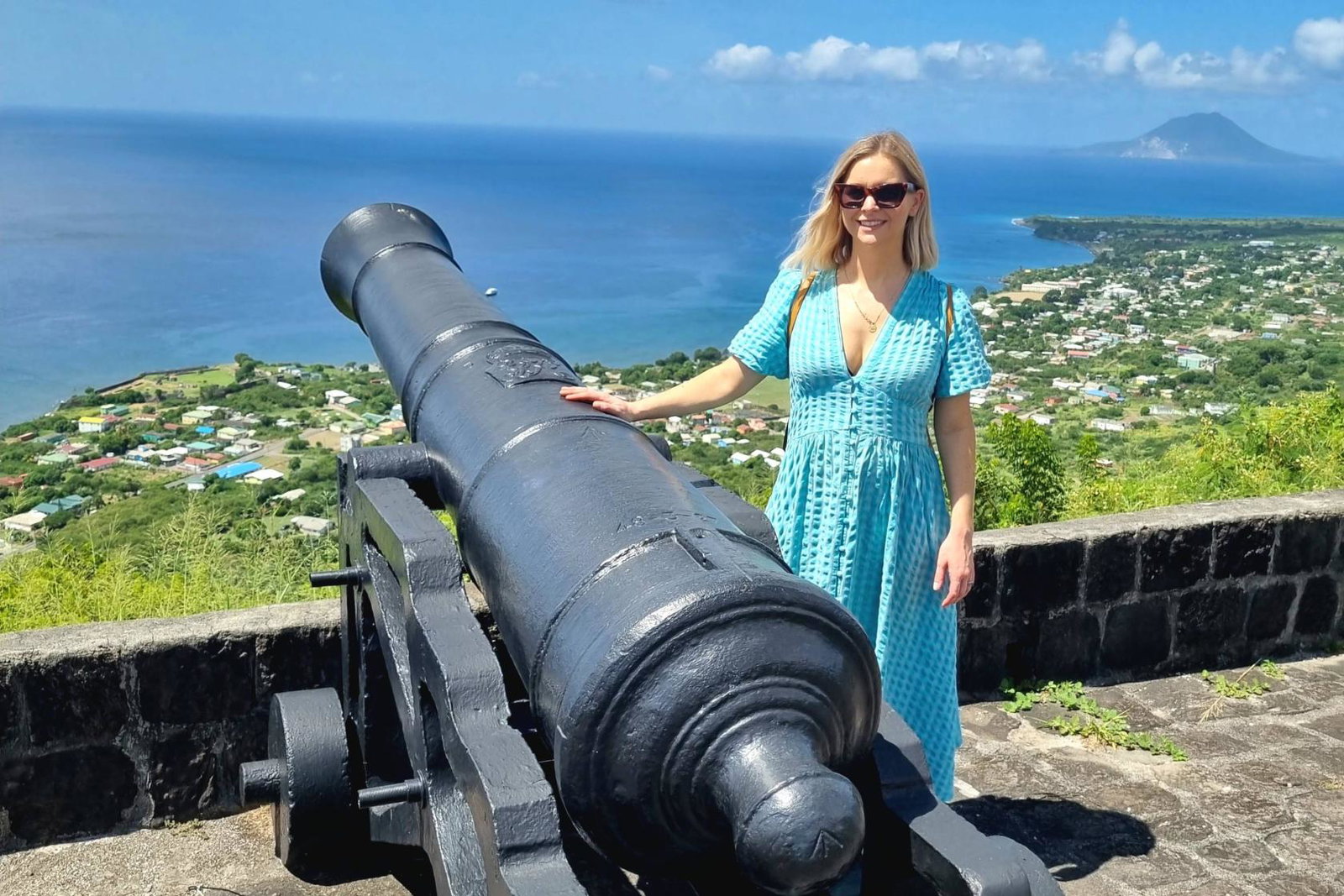
One morning on a recent fam trip to St Kitts and Nevis, I found myself sitting on the slopes of a rainforest farm drinking coffee grown just metres away while its owner, a former Hollywood actor turned regenerative farmer, explained why he had traded film sets for this serene mountain retreat.
Afterwards we wandered through the farm together, while he recounted stories about island life and the journey that had brought him back home.
It wasn’t the sort of experience many travellers associate with the Caribbean.

For many people the Caribbean still conjures images of cruise ships, luxury beach resorts and easy fly-and-flop holidays. And that had been my perception too. I thought St Kitts and Nevis was the kind of place well-travelled clients end up when they've been everywhere else.
But during my time on the islands with the St Kitts Tourism Authority, I saw how their tourism industry is quietly reshaping that narrative.
In farms, heritage sites, hotels and conversations with locals, I had a clear sense that tourism here is evolving in a more thoughtful direction. Rather than chasing mass tourism, St Kitts and Nevis are doing something smarter: shaping a version of Caribbean travel that protects their identity, supports local communities and still delivers the kind of experiences travellers dream about.
Instead of trying to compete with the larger, more heavily developed Caribbean destinations, St Kitts and Nevis are leaning into what makes them distinctive: nature, heritage, local culture and a slower pace of travel.
Coffee in the rainforest
This shift towards more experiential travel is particularly clear at Liamuiga Natural Farm. Getting there involves winding high into the mountains, climbing 1500 feet above sea level into dense rainforest. Perched on the slopes of Mount Liamuiga, the farm feels a world away from the coast below.
We spotted coffee cherries, banana plants, peanuts, pumpkins and yams growing in every direction, with chickens clucking away nearby, while Tiem enthusiastically talked us through his regenerative farming techniques and the trials and errors of building a rainforest farm.
Then we were served a spectacular jungle breakfast, made almost entirely from ingredients grown right there on the farm. The coffee, cultivated using sustainable permaculture practices, was easily some of the best I have tasted. And just when it seemed the experience could not get any better, coffee ice cream appeared for dessert. Rich, creamy and utterly delicious.
Owner Tiem himself is a character, a former Hollywood actor with stories aplenty who returned to his roots in St Kitts & Nevis and now spends his days tending coffee plants. It’s a peaceful life up here and you can certainly see the appeal.
Experiences like this feel less like organised activities and more like being welcomed into someone’s world. They offer a glimpse of a tourism model where visitors support both local livelihoods and more sustainable approaches to farming and food production.
A revived rum estate
Another example of the islands’ heritage being thoughtfully brought back to life can be found at Wingfield Manor Estate, home to the historic Old Road Rum distillery.
Dating back to 1681 and believed to be the oldest surviving rum distillery in the Caribbean, the site has been lovingly restored by local entrepreneur Jack Widdowson, who grew up on St Kitts and set out to revive the island’s rum-making tradition.
We wandered through the estate learning about the island’s long relationship with sugar and rum before settling in for a tasting. The bottles kept appearing, each one slightly different, while stories flowed about the estate’s history and the work that has gone into bringing it back to life. Enterprises like this preserve the island’s heritage while ensuring tourism supports local entrepreneurship rather than replacing it.
Outside, a small open-air bar mixes cocktails using the rum produced on site.
Visitors can also take part in the Kittitian RumMaster programme, learning how to craft their own blends.
It turns out rum tasting in a 300-year-old estate surrounded by palm trees is not a bad way to spend an afternoon, particularly when there is a beautiful hotel waiting for you afterwards to sleep it off. Fortunately, St Kitts and Nevis have a few of those too.
Soulful luxury
Importantly, the move towards more responsible tourism has not meant abandoning luxury.
Some of the islands’ most beautiful places to stay are finding ways to blend high-end hospitality with a more thoughtful approach.
At Belle Mont Sanctuary Resort, villas are scattered across the hillside like treehouses, connected by rope bridges and surrounded by rainforest. The resort has a strong farm-to-table ethos and was designed to work with the natural landscape rather than dominate it.
On neighbouring Nevis, Montpelier Plantation & Beach offers a very different kind of luxury: an 18-room historic estate where the absence of televisions is intentional and evenings often revolve around shared rum punches and long conversations in the old sugar mill.
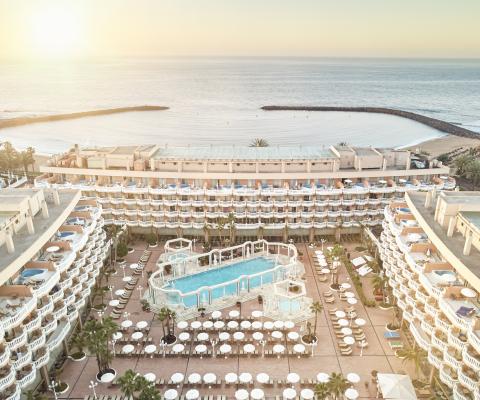
Even larger resorts such as Park Hyatt St Kitts and Four Seasons Nevis are increasingly incorporating sustainability initiatives and community partnerships into their operations.
Initiatives such as the Heart of St Kitts Foundation, which channels tourism funding into community and environmental projects across the island, reflect a wider effort to ensure tourism benefits both residents and the natural environment.
It all feels very intentional – the islands are positioning themselves for the future of travel, one where visitors increasingly want meaningful experiences, cultural connections and the reassurance that their presence benefits the places they visit.
Changing how I sell St Kitts and Nevis
From a travel advisor’s perspective, that shift is something we are seeing clearly in conversations with clients.
Increasingly, travellers want their holidays to feel more meaningful. They don't just want beautiful places to stay in but they also want experiences that connect them to the culture and communities around them.
Even if clients are booking a classic Caribbean beach holiday, they still want to know – what can I experience there? What is there to see and do outside the resort?
And even when clients don’t have the right language yet or ask the right questions, I find that if I start the conversation – talking about how their trip can have a positive impact on local people and the environment, it can sound like a win-win situation. A better, more meaningful holiday for them and something that helps preserve what makes the destination special in the first place.
There’s a lot more interest in local culture, local restaurant scenes and experiencing natural beauty. And with that comes a growing interest in protecting those things.
I've also noticed that when I post sustainability stories on my social media, clients are far more likely to bring them up on a call. That's a real opportunity for us as agents – to be the bridge between what the client wants and what's actually good for the destination. People are waking up to the impact their holiday can have, positive or negative, and I think it's our job to encourage that conversation.
A blueprint for Caribbean tourism
I'm now positioning St Kitts and Nevis as a destination for travellers who want nature, culture and authenticity alongside luxury – rather than instead of it. And yes, I’m actively switch-selling. St Kitts and Nevis is not a destination that clients often ask me about. But when they come to me looking at other big-name Caribbean islands, I now plant St Kitts and Nevis firmly in the conversation.
My first-hand experience changes everything. I find that if someone wants the Caribbean and I start talking about St Kitts and Nevis enthusiastically, they're usually keen. The boutique and luxury property offering is exceptional, and for the right client – someone who wants something quieter, more personal and more meaningful than a big resort – it's a far better fit than the destinations they originally had in mind.
St Kitts and Nevis seem to be ahead of the game in offering more than just beautiful beaches.
By investing in community-based experiences, preserving heritage sites and encouraging a more balanced model of tourism, they are quietly creating a destination that feels both authentic and forward-looking, and rewards the traveller who goes slightly off-the-beaten-path.
If the islands continue along this path, they may well offer a blueprint for how Caribbean tourism can evolve, protecting what makes these places special while still welcoming travellers who want to experience them.
Find out more about Travel Counsellors in the TTG Homeworking Hub, packed with advice for existing and would-be homeworkers, and a Matchmaker tool to help you find the right homeworking company for you.