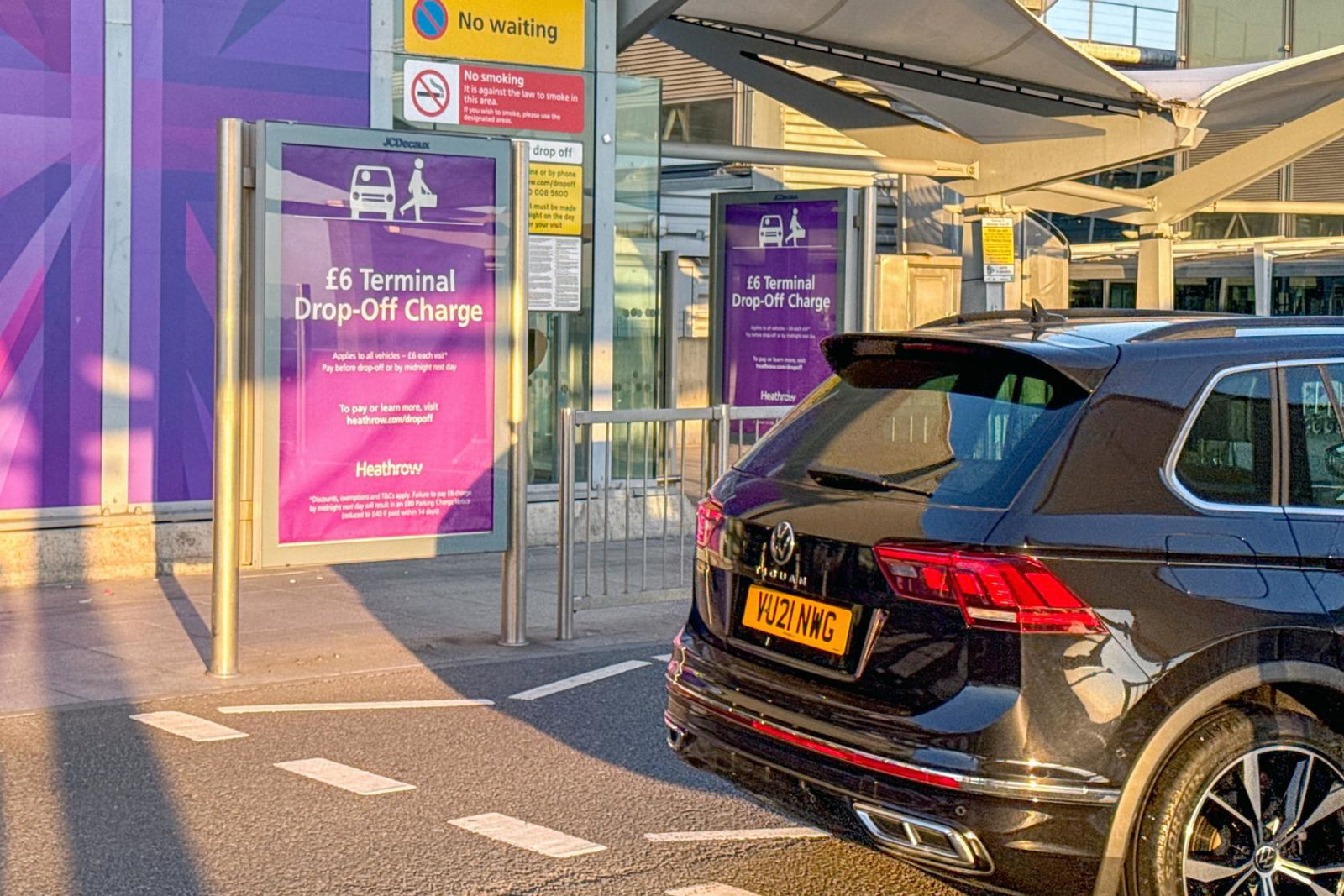
Gatwick and Stansted drop-off fees were the most expensive according to one analysis, reported by the BBC, after jumping from £7 to £10 in December 2025 and March 2026 respectively.
Charges at Edinburgh airport have gone up from £6 to £8.50, while at Bournemouth, fees have increased from £5 to £8, the same price as Leeds Bradford and London City, which is the most expensive hub for drop-offs on a per-minute basis.
Committing to a review of so-called "kiss and fly" fees, the Department for Transport said it was "vital to ensure travel remains accessible and that passengers are treated fairly", adding: "We hope airports exercise restraint on rises, particularly where there are limited public transport alternatives.”
An original six-month timetable for the review is, though, likely to be extended, it is understood.
Clive Wratten, Chief Executive of the Business Travel Association, welcomed the move, saying: “The government is right to review airport drop-off charges. The review must take a serious look at affordability, accessibility and fairness, and lead to meaningful change.
"Up to £10 for a few minutes at the kerb is a lot to ask of travellers, particularly when public transport is not always a practical alternative."
He claimed all of the UK’s top 20 airports charge for drop-offs, while the top 10 European airports did not.
UK airports make 'excellent' use of the money
But Karen Dee, Chief Executive of AirportsUK, the trade body for UK airports, noted how hubs offer "a range of options for those travelling to terminals".
These, she said, include free drop off points. She added money raised through premium services form a part of the airport business model, helping support the provision of the widest variety of flights from the airport, "benefitting passengers".
Airports outside of the UK, she continued, are typically publicly owned and in receipt of state subsidies and tax exemptions, while UK airports are generally privately owned and subject to the full array of commercial rates of taxation.
She argued any review will find "UK airports make excellent use of a variety of ways to manage traffic and air pollution, as per national and local government policies, to keep flight costs low, invest in infrastructure, and drive connectivity".