Ryanair said the rollout had already contributed to border delays of up to two to three hours over the summer at airports including Krakow, Lisbon, Milan and Rome, while Holiday Extras said the EU's decision to let the emergency EES flexibility expire without a fix was the "clearest sign yet" that the border scheme had failed.
Ryanair has called on the European Commission to extend the emergency measures allowing EU countries to suspend EES until at least April 2027.
Ryanair Chief Operating Officer Neal McMahon described the EU's handling of EES as "a shambles from start to finish", arguing passengers were being made to pay the price for an ill-prepared rollout. EES was rolled out in October last year and went fully live in April.
EES 'undermining' Europe's reputation as an 'efficient' destination, warns ACI Europe
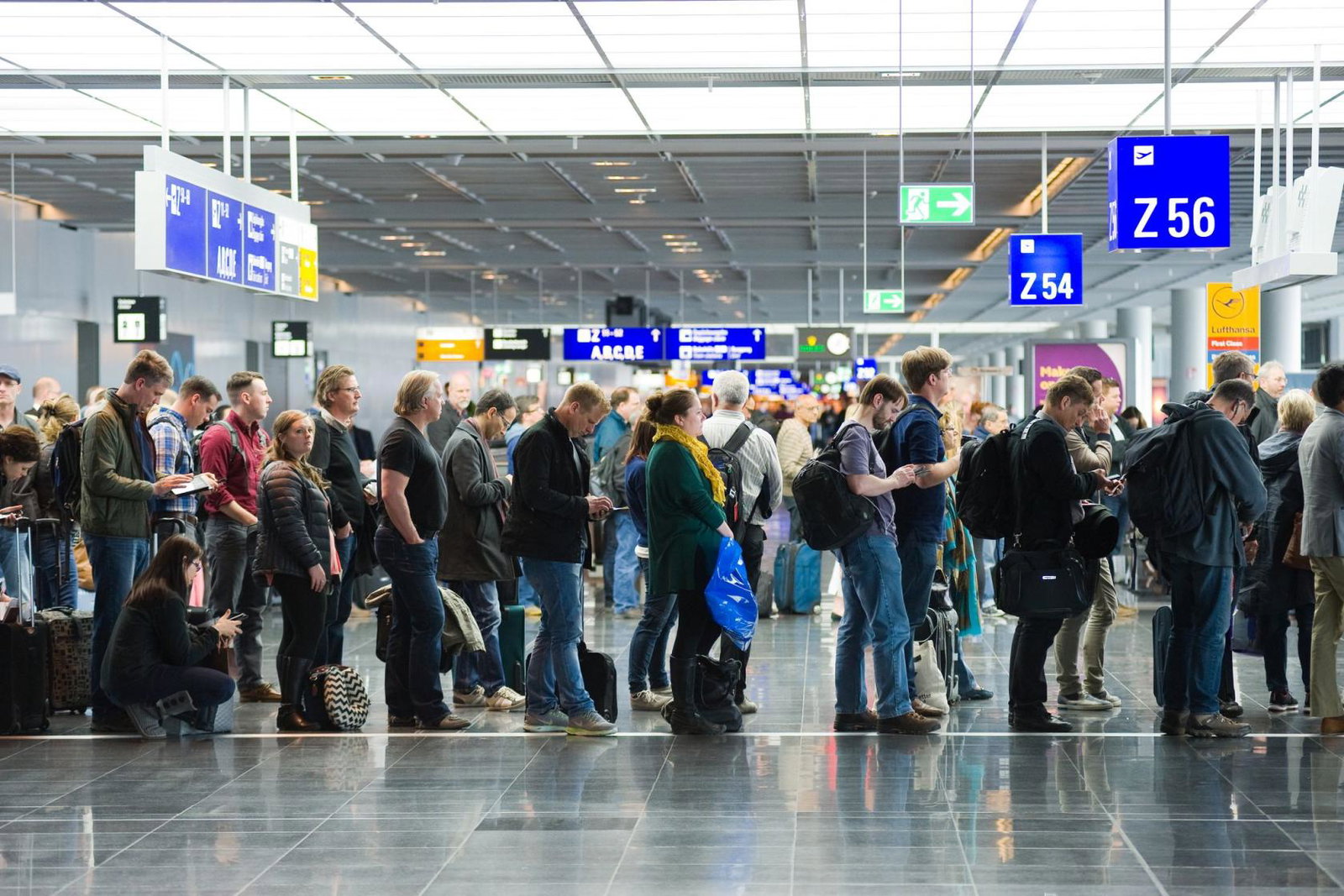
According to Ryanair, issues plaguing the EES rollout include malfunctioning kiosks, staffing shortages and lengthy processing times. It has also warned ending the emergency measures at the weekend leaves member states with less flexibility to manage congestion during peak times.
McMahon added: "Airports and border authorities need time to ensure the system can operate efficiently before full enforcement is introduced – and passengers are condemned to these excessive border control delays for another season."
'These border systems have failed'
Holiday Extras said its modelling suggested the disruption could put £1.9 billion in British tourist spending at risk, rising to £3.7 billion if 40% of those who said they were likely to change their plans actually did so.
The company said the higher figure was now the more realistic outcome, given queues were still running for hours at peak times across France, Spain, Italy and beyond, with a full year of EES disruption ahead and "no clear end point" in sight.
Matthew Pack, CEO of Holiday Extras, said: "Since the EU won't say this plainly, we will. These border systems have failed. Etias depended on EES rolling out in good order, and quietly dropping the launch date rather than admitting a delay is a clear, if unspoken, admission that EES hasn't worked."
The call comes after Abta also urged the commission to retain the emergency "flexibilities", saying there was still "some way to go" before EES was fully and consistently operational across participating countries.
The European Commission, however, argued that EES had "broadly worked well" over the summer and that it had remained in contact with member states if and when adjustments were needed.