How is Singapore striving to become one of the world’s most sustainable urban destinations?
Our vision is to be a “City in Nature”, where large experiences come with small footprints. This needs strong public and private sector commitment, plus support from tourism stakeholders.
We are guided by industry-specific sustainability roadmaps, which contribute to national-level sustainability goals under the Singapore Green Plan 2030.
STB has also launched the Tourism Sustainability Programme (TSP), which provides funding support for businesses to develop long-term sustainability strategies, pursue sustainability certification and adopt ways to improve productivity and competitiveness.
Earlier this year, Singapore was certified as a sustainable destination based on the destination criteria of the Global Sustainable Tourism Council (GSTC). This affirms that we are on the right track, but it’s just the start.
Tell us more about some sustainable initiatives…
Several hotels have been built or refurbished with sustainability in mind, including features such as rainwater harvesting and a compactor that transforms food waste into nutrient-rich water for their gardens. Hotels have also made efforts to green their operations, by eliminating single-use plastics, adopting water filtration solutions to replace plastic water bottles, and implementing reusable, environmentally-friendly key cards – for one hotel, this eliminated 40,000 plastic cards a year.
Through the Singapore Tourism Accelerator programme under the TSP, STB has supported a local start-up that uses an AI-powered tracker to measure all food waste. The tracker helps chefs understand what is not being eaten and gives them insights to reduce food waste. This solution has helped some hotels and airlines to reduce their food waste by up to 40%.
What are you doing to give visitors a more authentic cultural experience?
As part of the GSTC certification process, Singapore was also assessed for cultural sustainability. STB supports the development of visitor experiences to showcase Singapore’s cultural heritage such as Pongal (Harvest Festival) in January and Deepavali (Festival of Lights) in October. To celebrate our rich food culture, we also hold the annual Singapore Food Festival. The 2022 edition had over 700 gastronomic experiences.
Which hotels have won awards for their sustainable designs?
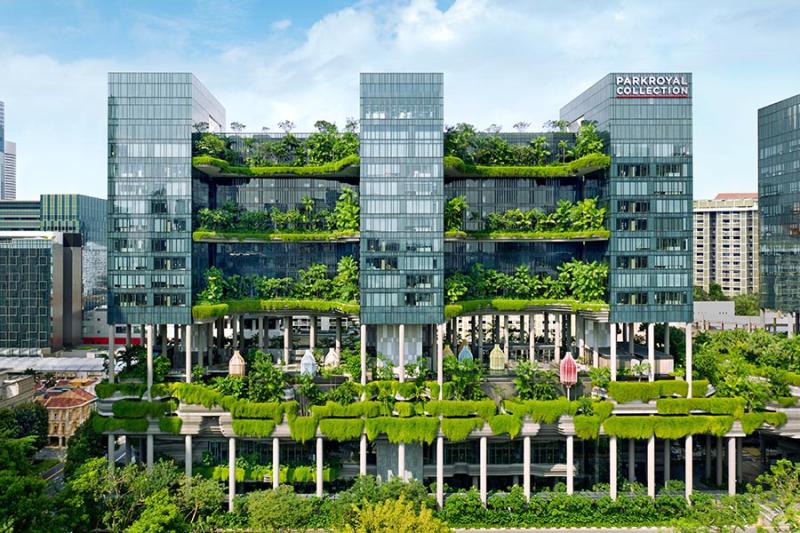
ParkRoyal Collection Pickering, with its zero-energy sky gardens, a skybridge filled with trees and greenery, and 262 solar panels that generate renewable energy, has held the title of “Asia’s Leading Green Hotel” for six consecutive years.
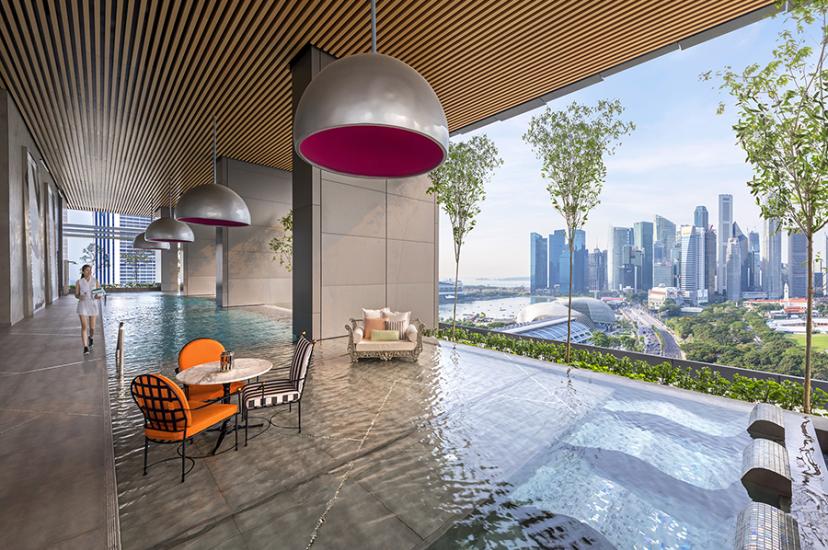
JW Marriott Singapore South Beach has also won two Building and Construction Authority Green Mark Platinum Awards. The hotel has a canopy that is structured to harvest rainwater, is fitted with solar panels, and allows for natural ventilation.
What is OneMillionTrees?
Singapore is one of the world’s densest but greenest cities, with green cover at over 40%. We launched the OneMillionTrees movement in 2020 to plant a million more trees across Singapore over the next 10 years.
How is Singapore enabling visitors to experience the city’s greenery for themselves?
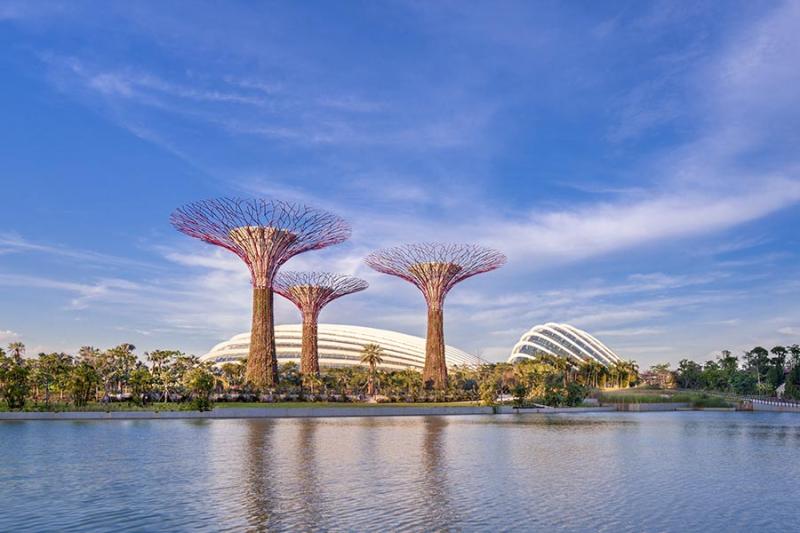
Visitors can take part in a Sentosa walking tour to experience the rich biodiversity within our tropical rainforest system under the cover of darkness or visit Gardens by the Bay, home to over 1.5 million plants and an example of our “City in Nature” vision.
In addition, through the national movement, Go Green SG, we plan to showcase more immersive and sustainable experiences curated by tourism businesses, including educational workshops, interactive sustainability tours, thoughtful dining experiences and new green retail experiences.