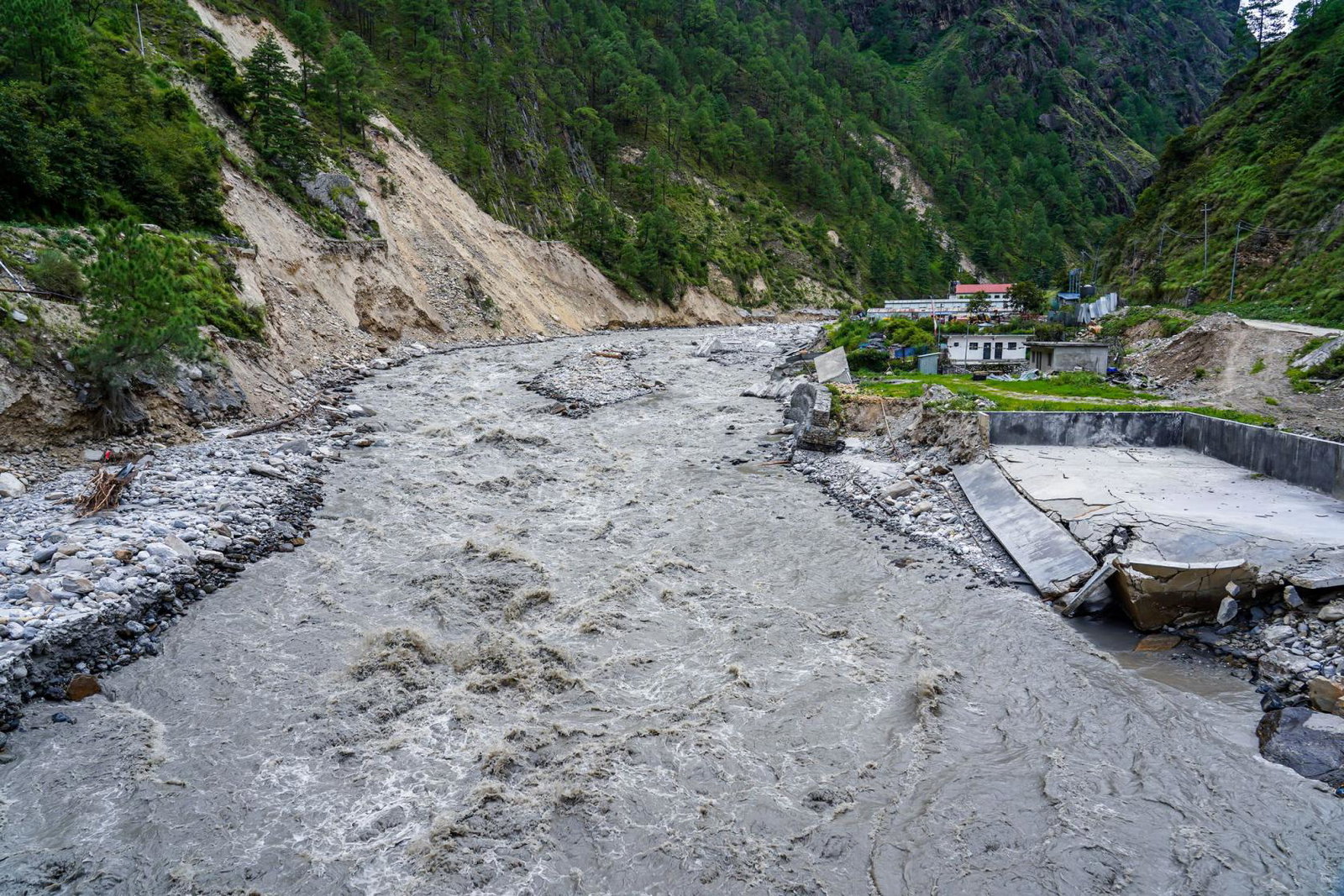
Some 475 people are now known to have died, according to police in Nepal, following the initial incident, which is believed to have been caused by a collapsed glacier.
Nepal's tourism board said 31 foreign nationals have been rescued from the disaster zone in the country's Rasuwa regional, along the Trishuli and Bhote Koshi rivers.
However, 667 tourists and travellers are still missing, including 33 UK nationals and two Irish nationals. None of the 31 people to have been rescued are from the UK or Ireland.

"Rescue, evacuation and verification efforts are continuing in coordination with travel agencies, trekking companies, guides, local authorities and security agencies," said the Nepal Tourism Board.
"The authorities are also working to verify the status of travellers who may have been stranded, displaced or remain unaccounted for following the floods. Information received from different agencies is being cross-checked and updated on a regular basis to ensure accuracy."
Nepal's government has also named 500 of the missing foreign nationals. In Tibet, three people have died and more than 550 are missing, although national and international media warm there could be overlap between its and Nepal's figures.
The impact of the disaster in Tibet has been mainly felt in Gyirong County in Shigatse, near the border with Nepal. The affected regions in Nepal and Tibet have suffered severe damage to buildings, roads and communications infrastructure, hampering rescue efforts.
Intrepid Travel on Thursday (27 August) launched a fundraising appeal through its not-for-profit Intrepid Foundation to support those communities affected by the disaster.
The operator, which runs 26 itineraries in Nepal and has 76 local team members there, has partnered with the Australian Red Cross for the appeal, and will match all donations up to AUD $200,000. By 9am on Friday, the total had just passed AUD $150,000.
Intrepid has confirmed it had no travellers or team members in the affected area when the floods hit, adding all Intrepid travellers in Nepal have been accounted for.
There are now concerns, though, that there could yet be further flooding after a barrier lake formed following the initial incident.
The BBC, citing Chinese state media, reported on Friday morning (28 August) that this barrier lake was overflowing, bringing rescue efforts to a halt on safety grounds. These have since resumed.
The Foreign Office has been updating its advice for Nepal and Tibet periodically, warning in its latest update "of the risk of further flooding".