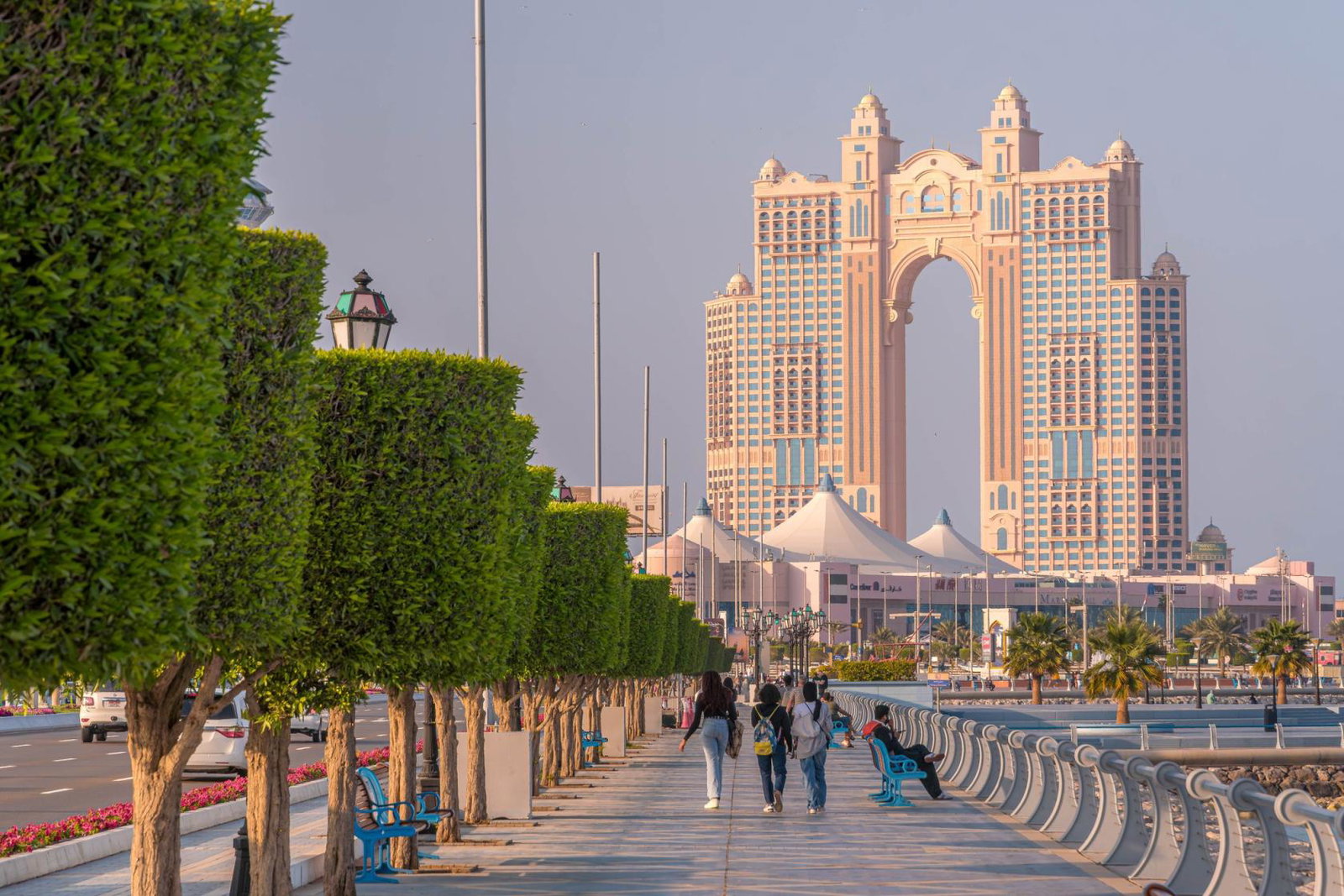
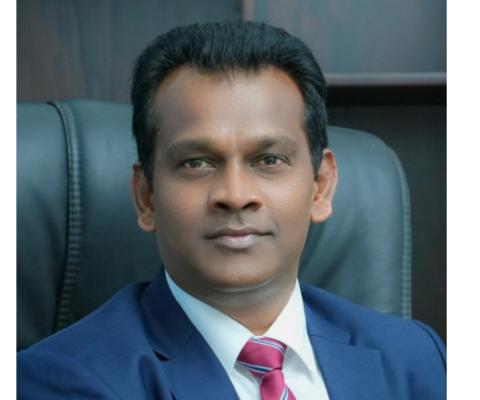
Abdulla Yousuf, Director of International Operations at the Department of Culture and Tourism – Abu Dhabi, acknowledged advisories were "unfortunately" preventing the destination being sold in some international source markets.
"The priority is travellers' safety, and our government is working very closely with other governments to give them reassurance whenever it's needed," he said, speaking on the eve of WTM London.
International visitor numbers have understandably "softened" owing to the crisis in the Middle East, according to Yousuf, with Abu Dhabi welcoming more than 3.4 million hotel guests during the first eight months of the year, although he noted the average length of stay is now 3.4 nights – a 6.6% increase compared with last year.
"This is an important number for us as we move Abu Dhabi from being a layover destination to a destination with a solid value proposition," he said, adding "five nights" was the ideal target to bring the emirate in line with the European market.
The domestic market has also made up some of the shortfall, accounting for around 57% of hotel guests and helping maintain average daily room rates at "almost" the same level as the previous year.
'We don't build for today or tomorrow'
Yousuf said the destination has "already begun to bounce back" despite the war in Iran and wider conflict in the region, with hotel occupancy recovering month on month and reaching around 75% in August. October had also been a "very, very robust" month, he added.
"The end of the year is going to be very busy for us tourism-wise because many of the exhibitions that were planned for early in the year had to be rescheduled," he said.
Yousuf insisted regional instability would not derail Abu Dhabi's longer-term tourism ambitions or its investment in infrastructure and attractions, reaffirming its commitment to its 2030 strategy. "We don't build for today, we don't build for tomorrow; we build for generations to come," he said.
He added the emirate had learned the importance of having a strategy that accounts for different types of risk, from pandemics and geopolitical instability to "economic difficulties".
Stopover programme being 'closely monitored'
Diversifying source markets has helped Abu Dhabi rebound more quickly, while "transparency" in communications during the crisis had been equally important, including reassuring stranded guests that the cost of their stay would be covered.
Connectivity is also central to its plans, with Abu Dhabi's stopover programme, developed with Etihad Airways, surpassing 250,000 passengers.
Yousuf said the programme, which allows passengers booking a layover the ability to extend their trip with free hotel stays and discounted attractions, was an "opportunity" to introduce people to Abu Dhabi beyond being a transit hub.
"Many people who wouldn't have considered Abu Dhabi before are discovering us through this programme," he said. "We're monitoring success by how many people come back a second time."
'We're engaging with the trade well in advance'
Looking ahead, the emirate is continuing to invest in cultural and family attractions, with Guggenheim Abu Dhabi scheduled to open on 11 December. Yousuf said the destination had been engaging with tour operators and travel agents "well in advance", using early communications and ticket pre-sales to build demand.
The museum has already recorded more than 10,000 ticket pre-sales and will complete the main offering of Saadiyat Cultural District once opened, which also includes Louvre Abu Dhabi, Zayed National Museum, Natural History Museum Abu Dhabi and teamLab Phenomena.
Further family-focused developments include the planned Disney theme park on Yas Island, slated for 2030, and three new Harry Potter-themed lands at Warner Bros World Abu Dhabi.
The emirate is also investing in the United Arab Emirates' national railway network as part of its wider multi-destination tourism proposition, with the new service able to connect Abu Dhabi with Fujairah in as little as one hour and 40 minutes.