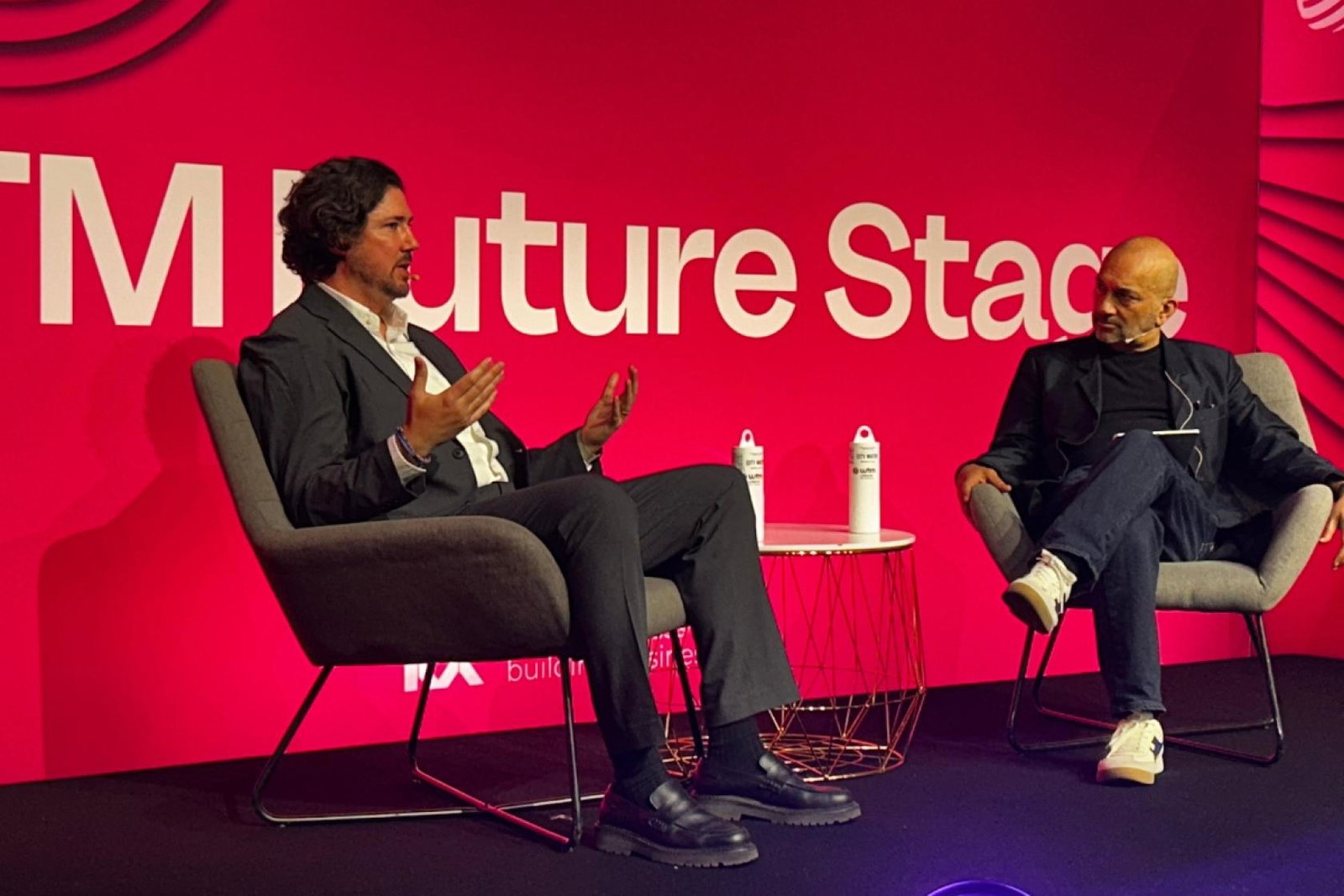
Speaking at WTM London, Stephen Dutton, Global Insight Manager, Travel, at Euromonitor International, warned delegates inflationary pressures caused by the war in Iran and the wider Gulf region could ultimately push travel down consumers' list of priorities.
Often in the face of geopolitical events, travel is generally viewed as a priority spend over other discretionary costs, typically shielding people's plans from even the most severe shocks.
Asked about the Middle East war, Dutton said: "I would call it the most significant one-off shock since the pandemic. It is evolving every day, and it affects different countries. And then there's the inflation.
"At some point, travel will have to give up its special place in people's hearts [if the war continues]."
'We're in a new normal'
Dutton argued people were currently either trading up in destinations that were cheaper and easier to get to, or choosing countries further afield to travel to and then trading down once they arrive. "In an increasingly volatile world, this is how consumers are thinking," he explained.
On climate change, Dutton confirmed European travellers were choosing to travel to northern European countries in the shoulder seasons owing to the risk of summer temperatures hitting 45C in the Mediterranean.
Dutton added all the challenges currently facing consumers are "overlapping". "There's the political part, the practical and logistical part and then there's climate change," he said.
"They overlap and touch everything. It's hard to retire from that fully – we're in a 'new normal'."