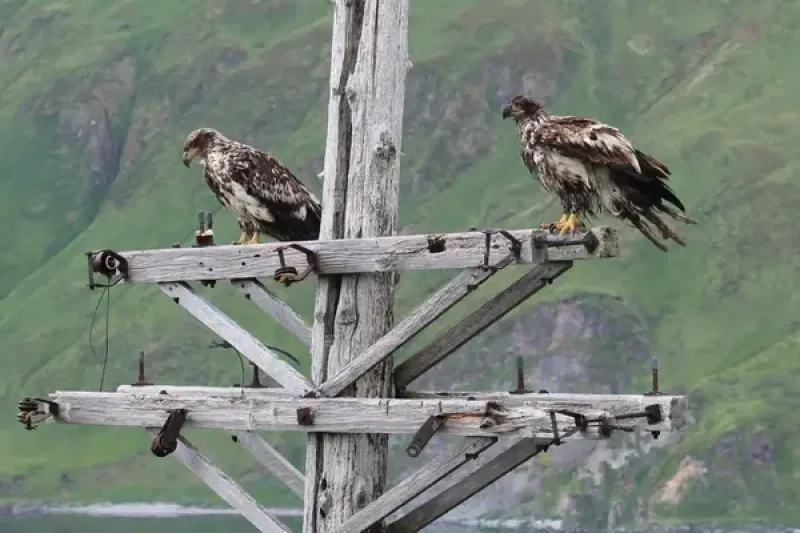
I’ve seen brown bears, albatrosses, bald eagles and sea otters already on this cruise. So, as I train my binoculars on the sea, I wonder if it’s too greedy to expect this sperm whale – gracefully diving and resurfacing off the ship’s bow – to swim even closer. But that’s the problem with the Aleutian Islands in Alaska – the wildlife here is so abundant, it spoils you. And you feel cheated when not all animals are equally cooperative.
If your clients have explored the Inside Passage, they may think they’ve “done” Alaska but I’m rapidly finding out there’s so much more to America’s final frontier.
I’m on HX Hurtigruten Expeditions Alaska and British Columbia – Inside Passage, Bears and Aleutian Islands (Northbound) cruise. Not many cruise ships visit the Aleutian Islands – I doubt that many Brits know about them or where they are – but as the voyage continues, I am becoming ever more fascinated and amazed by them.
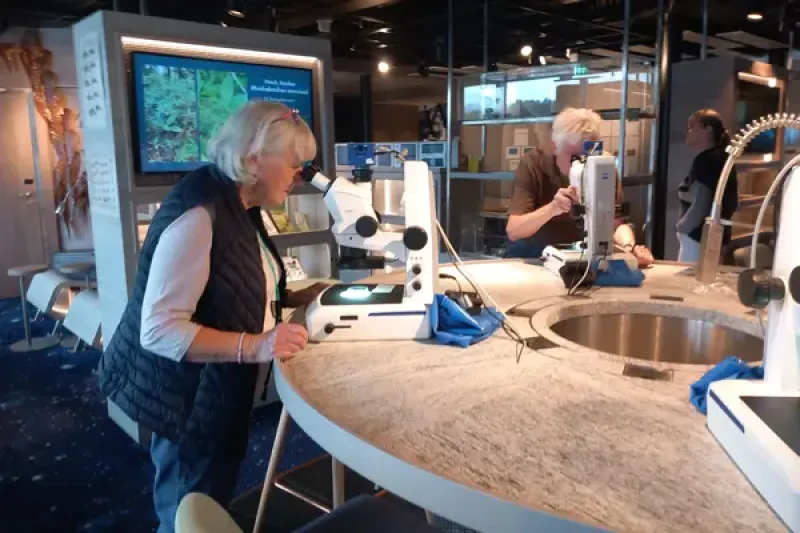
Inspired by the whale sighting, I head to the onboard Science Centre to pour over books about whales and all the other creatures that reside in these waters. Our route takes us over the Aleutian Trench, a major convergent plate boundary. It’s one of the deepest parts of the world’s oceans – there’s more than 6,400ft of water beneath us – and a biodiversity hotspot.
Onboard Roald Amundsen there’s a team of up to 17 scientists and expedition leaders, whose expertise stretches from history and culture to earth science and wildlife. They aim to enrich the guest experience, by matching what they see while out on their excursions with the onboard programme.
Furthermore, guests can take part in scientific activities and collecting data, which is shared with HX’s research partners worldwide. I see guests perched over microscopes examining water samples they took from a trip out on the Science Boat earlier whilst others are looking at videos from the underwater drone. There’s genuine enthusiasm from the guests involved, buoyed by a sense of that they are actively making a difference with their Citizen Science research.
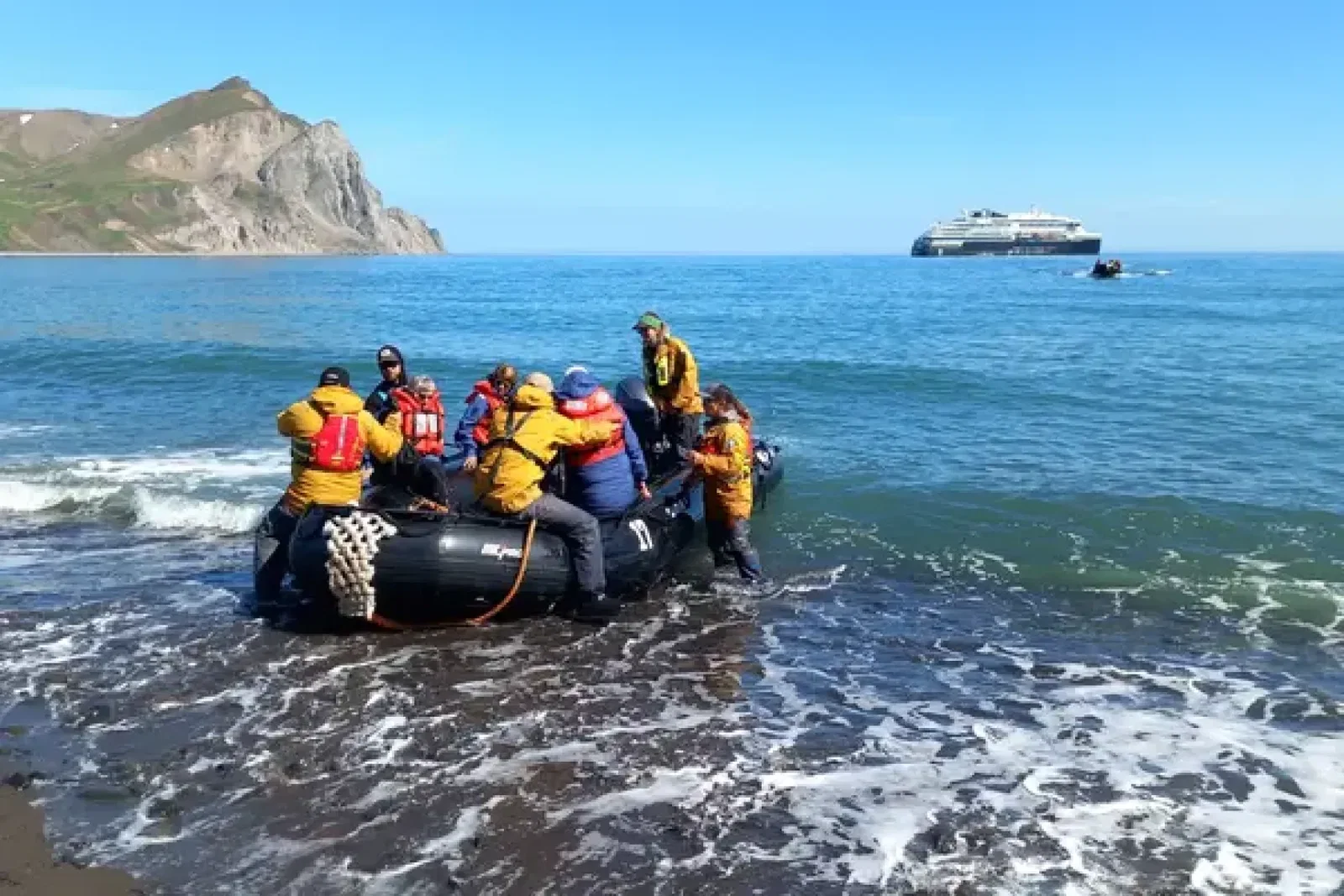
The almost daily Zodiac trips really make this cruise. With up to 10 passengers on each trip, we sit on the sides, hands clutching the safety rope and our feet tucked under a strap on the floor. As we enter Misty Fjord this way, my breath is taken away by its staggering beauty. Some of my fellow passengers are lucky enough to see a brown bear from their Zodiac.
Expedition leader Yibo Li says: “As we are a small ship, we have a greater flexibility and can have spur of the moment activities where we can take the guests for a Zodiac excursion to immerse them into the wildlife and scenery. We always keep our distance as it is paramount to us not cause the animals distress.”
A pioneering vessel
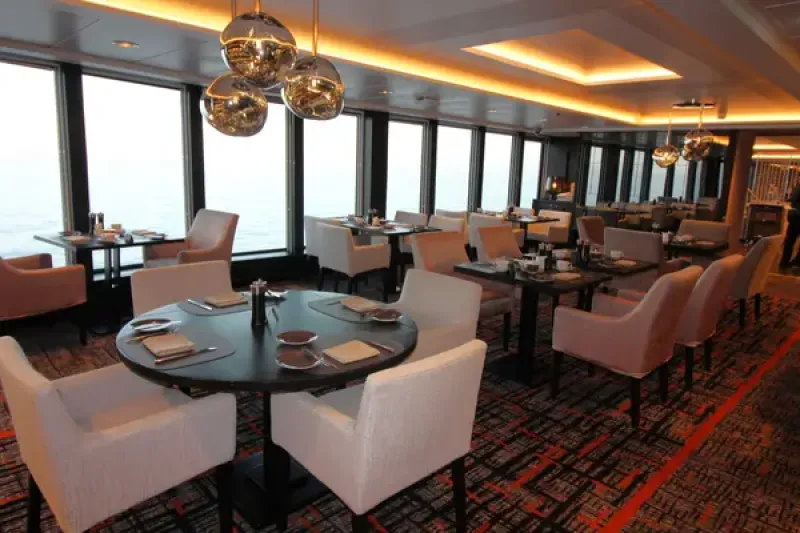
Hybrid-powered Road Amundsen was launched in 2019, making use of innovative technology that reduces the ship’s fuel consumption and CO2 emissions by up to 20%. The 530-passenger ship has a sauna, gym and some of the finest food I have encountered at sea. There are three restaurants including Lindstrom, which offers fine dining that is free to suite guests but can be booked by other passengers at a price of 15 euros.
“We source from the local area where possible” says executive chef Udo Sandering “As this is a small ship we can interact with our guests and adjust our menus according to their dietary needs. We actively encourage our guests to approach us so we can accommodate their special needs.”
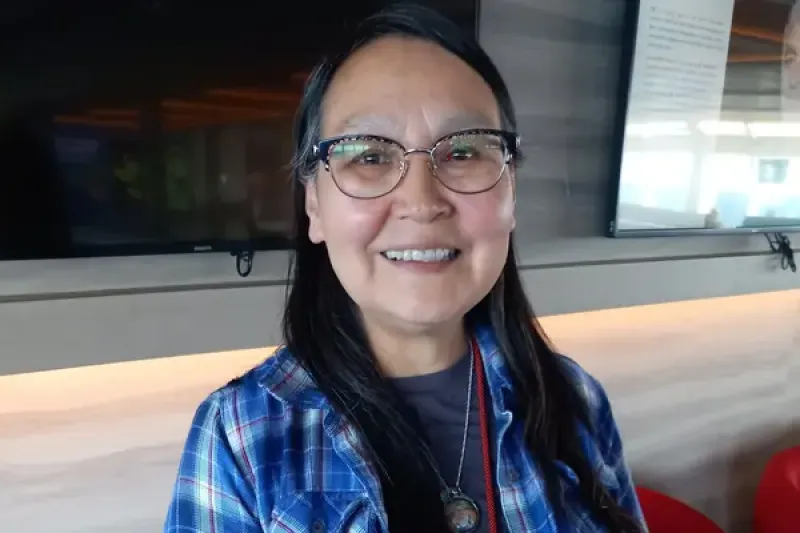
There’s a seamless join between education ashore and enrichment onboard. Norma Charlie-Runfola is a member of the Yup’ik Tribe, and HX’s cultural ambassador on Roald Amundsen. According to the archaeological evidence, her people have lived along the Bering Sea coast of Western Alaska for more than 3,000 years.
“I count it an honour and a privilege to talk to the guests about our way of life and culture, letting them know we exist and show them the different worlds we come from.”
Wearing a traditional kuspuk, or hooded overshirt, she shares tales passed down the generations and illustrates her talks with dance and song. “I always invite guests to join in the dances and they seem to enjoy that very much!” she adds.
Tapping into customer demand
“As we approach our 130th anniversary next year, we are seeing strong demand from travellers who want a more adventurous, responsible and meaningful way to explore, and our Alaska itineraries are all about getting closer to the landscapes, wildlife and cultures that make the destination so extraordinary,” says Nathaniel Sherborne, vice-president and managing director, Europe and global sales enablement at HX.
Due to their remote location and lack of infrastructure, the Aleutian Islands don’t see the same volume of cruise traffic as other parts of Alaska, and that is a major USP for HX in selling the destination.
If the Gulf of Alaska forms an arc like a rainbow, then the south-westerly Aleutian Islands are like the pot of gold at the foot of the rainbow. Separating the North Pacific from the Bering Sea, they were the only part of America to be occupied by the Japanese during World War Two. At Dutch Harbour, a busy commercial fishing port, HX has a fleet of minibuses that take us to the Russian Orthodox Church, the WWII Memorial and Museum of the Aleutians where I find myself fascinated by the Indigenous way of life.
I love the colourful headdress the men wore on their hunting expeditions and the way the front was elongated so the prey could not see their eyes.
Dutch Harbor is also the centre of operations for the fishing fleet that was profiled in Discovery Channel’s Deadliest Catch. This was a reality TV show where the cameras followed crab fishermen in the Bering Sea, as they battled dangerous seas to land their catch.