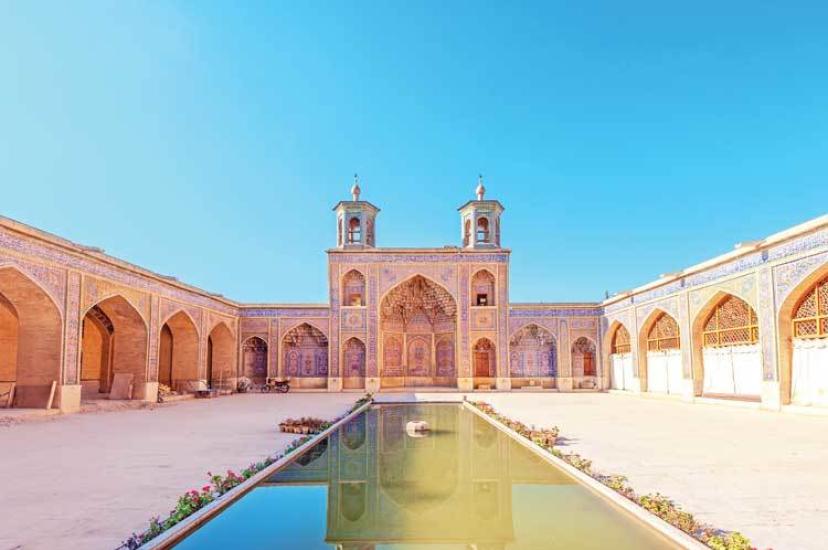
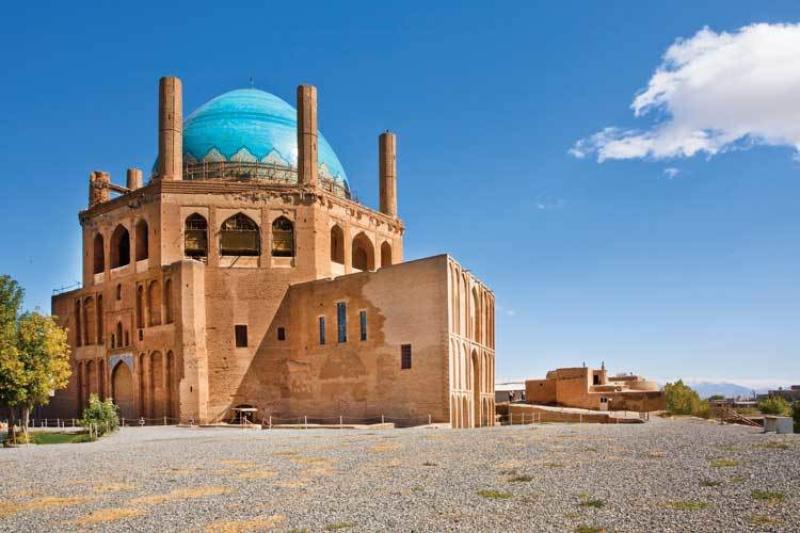
Wedged between Iraq and Afghanistan, Iran may appear a formidable destination, inspiring only the most intrepid to visit. Though it wasn’t always that way.
From the mid-1960s through to the late 1970s it was an integral part of the “Hippie Trail” with travellers from all over Europe making their way through the Middle East and down into India as a rite of passage.
But the Iranian Revolution of 1979 and the Soviet invasion of Afghanistan, also in 1979, put an end to that.
New dawn
Several recent events, however, suggest Iran is paving the way for a sustained tourism revival.
In February 2014 the Iranian Embassy in London was restored and by August 2015 it had officially reopened as diplomatic relations thawed, making it easier for Brits to obtain tourist visas.
In July last year the Foreign Office eased its travel advisory, which previously warned against travel to all of Iran and meant that adequate travel insurance was hard to come by.
And in January this year economic sanctions on Iran were lifted.
As a result, an increasing number of airlines and hoteliers are falling over themselves to be among the first to serve the destination.
Air France resumed its service there in April, Austrian Airlines doubled the frequency of its service in March and British Airways will resume flights there in September.
Meanwhile, AccorHotels opened an Ibis and Novotel in Tehran in October; Melia Hotels International will open the country’s first new five-star hotel owned by a foreign group next year on the shores of the Caspian Sea; and Rotana hotels group will open four hotels there between 2017 and 2018.
Some estimates suggest up to 125 hotels operated by international and local firms will open in 2016.
Numerous operators have also found success with the destination.
“Iran has been popular for Intrepid for a few years now,” says Daniella Van Haltren, the company’s regional product manager.
“We’ve been increasing the number of departures on our Iran Adventure trip every year since 2012. All 21 of Intrepid’s Iran Adventure tours sold out last year and there are just a handful of places left on this year’s departures. Iran has experienced this surge in popularity because not only does it appeal in an exotic, off-the-beaten track sense – but it also hasn’t been on the tourism radar like some of its Middle Eastern neighbours.”
It’s a similar story at Explore.
Jonny May, product manager for Africa and the Middle East, says the country is “one of the biggest destinations” the operator has.
Explore relaunched its trips to Iran last year following a four-year hiatus, and May adds the tours have proven “very, very popular”.
Regent Holidays, which offers two escorted tours there, has even created a new Iran product manager role in light of its popularity.
But despite the glut of new product and improved access, Iran remains an exotic destination that won’t appeal to everyone notes Van Haltren.
“It tends to attract well-travelled clients who want to experience something different,” she says.
For Explore, the typical customer is aged between 40 and 60 and interested in art, history, culture and religion, of which Iran has swathes.