The Expedition Cruise Network’s mission is to create “a home” for the expedition cruise sector – but that's no easy task given how diverse its membership is.
Each of its 29 cruise operator members differ from one another, and to compound matters, some seek to distance themselves from the wider cruise industry while others prefer to position themselves as adventure outfits. This makes ECN's job that little bit harder.
ECN’s second annual conference attracted more than 200 delegates across the two days, which speaks volumes about the extent to which the association goes to appeal to every corner of this flourishing sector.

Subjects debated on Tuesday and Wednesday (30 September and 1 October) ranged from how the sector appeals to non-cruisers, the new rules governing how lines operate in Svalbard, the family and solo travellers markets, sustainability and the environmental progress operators are making, emerging destinations and more stringent regulation.
ECN also announced chair Martin Johnson, co-founder of Latin Routes and Polar Routes, would be replaced by Ponant UK and Ireland general manager Anthony Daniels, with Johnson continuing as a director of ECN.
So here are the key takeaways from the two-day conference in London.
‘Influx of younger cruisers entering the market’
Atlas Ocean Voyages president James Rodriguez told delegates how in his former role at Oceania Cruises, where he spent nearly 19 years, he and his colleagues had chased cruise lovers. “We did not market to non-cruisers because it was too hard to convert them,” he explained of his time at Oceania.
Rodriguez said one of the “benefits” of selling through the expedition cruise market is how operators can attract so-called “non-cruisers” due to how remote the destinations are.
“There’s only one way of getting to the polar regions and that’s to go on a cruise,” he explained. "One of the benefits of this industry is its ability to attract a younger clientele who have never been on a cruise ship before but have to get to these regions somehow.
“After a couple of days, they relax and the ideas they had about cruise are dispelled. For us, it has been a really great benefit to have non-cruisers come into the sector and then repeat.”
Should lines target families?
Nathaniel Sherborne, Hurtigruten Expeditions HX’s vice-president and managing director, Europe and global sales enablement, argued some destinations are better suited to families than others.
“Families are going on safari, people are honeymooning on safari, so why can’t expedition occupy that same space? There are clearly destinations which are more family-friendly than others. The Galapagos is a good example of that.”
Sherborne insisted he is reluctant to push for agents to start promoting HX’s products to families for the time being given how “many opportunities” there were to sell elsewhere.
“I’m not sure, at this stage of the sector’s maturity, we should pile into that market because I think there are so many opportunities elsewhere,” he added.
Solo traveller surge
Belinda Hindmarsh, Ponant's deputy chief executive for global business, said new-to-cruise is a “huge opportunity” for the French cruise operator before outlining how her team is primarily focused on attracting solo travellers. “We’re seeing a lot more solo travellers cruising – our leading market for solo passengers is the UK and Ireland market," she revealed.
Hindmarsh confirmed more than 70% of Ponant’s solo passengers are female, adding: “They have the time, they want to go onboard, they feel safe and have the support network of the crew. It gives them the opportunity to see the world in a different way. That’s a definitely a growing segment for us.”
Ponant currently offers more than 200 sailings with no single supplement. Hindmarsh explained: “[Passengers] get a double regular cabin or a suite onboard and pay half the price. It is a very good offering.”
Sustainability ‘surprise’
While Hindmarsh stressed working with communities is part of Ponant’s DNA, she said the brand makes advances towards its sustainability goals “quietly and continuously”. “We surprise people on board with the amount of commitment we have in this space,” she said.
“It’s not something we actively talk about. We all have different interpretations of what sustainability means. It’s a bit like expedition – what does it actually mean? A lot of caution is needed."
But she argued the wider expedition cruise sector needed to “align” its sustainability goals to ensure every line worked collaboratively.
Regulations on the rise
Frigg Jorgensen, executive director of the Association of Arctic Expedition Cruise Operators, warned agents the regulations around how cruise lines operate in the Arctic will only increase as tourist numbers rise.
“In the past decade, there’s been an increase in restrictions,” she said. “This will continue in the Arctic. Regulations are driven by various elements – one of which is the growth of tourism.
“Some authorities and locals have concerns about growth and the environmental impact it's having and them not being the receiver of the value that it creates. The local sentiment drives politics and politics drives regulations.”
Are agents ‘ill-informed’ about what operators are doing?
Alex Mudd, specialist tour operator Swoop Antarctica's commercial director, believes customers are “still catching up to a certain extent” in terms of the sustainability advances cruise lines and destinations are making.
However, Steppes Travel product and impact director Jarrod Kyte said he felt cruise companies could share more information and be more transparent.
“There’s that classic quote – you won’t care about what you don’t know about. It’s our duty to help our clients can make informed decisions. We can only do that as travel advisors if we’re more informed.
“In terms of carbon, we’re not getting enough information from cruise companies. One area where we’re ill-informed is carrying capacity. We just don’t have that information. It’s incumbent on us all to be transparent with each other and share information. Let’s be more open and transparent.”
‘Twisted stepchild of the industry’
Captain Dan Blanchard, chief executive of UnCruise Adventures, turned heads with his appearance on the expedition cruise innovators panel, which was moderated by TTG’s head of luxury April Hutchinson.
He jokingly referred to himself as the “twisted stepchild” of the expedition cruise industry.
“Around 99% of people who visit Glacier Bay National Park never put their feet on the ground,” said Blanchard. “UnCruise Adventures is nine tenths of that 1%. This [brand] is a passion of life and a passion of what we do. I’m the twisted stepchild of the industry.”
UnCruise Adventures operates nine vessels, carrying between 22 and 86 guests, to destinations such as Alaska, Hawaii and Galapagos. Blanchard later called the boat “a weapon that gets us to these remarkable places that rock”.
Does Svalbard still deliver as a destination?
Kyte said there is “no question” Svalbard still delivers despite the introduction in May of new rules designed to protect the landscape and wildlife.
However, Kyte added: “For anybody who has been to Svalbard before [the new rules were introduced], they will see the difference. It’s a real interesting embodiment of the challenges that tourism faces generally.
“Yes, we want to make sure what we do is sustainable, but by doing this we don’t want to dilute the experience.
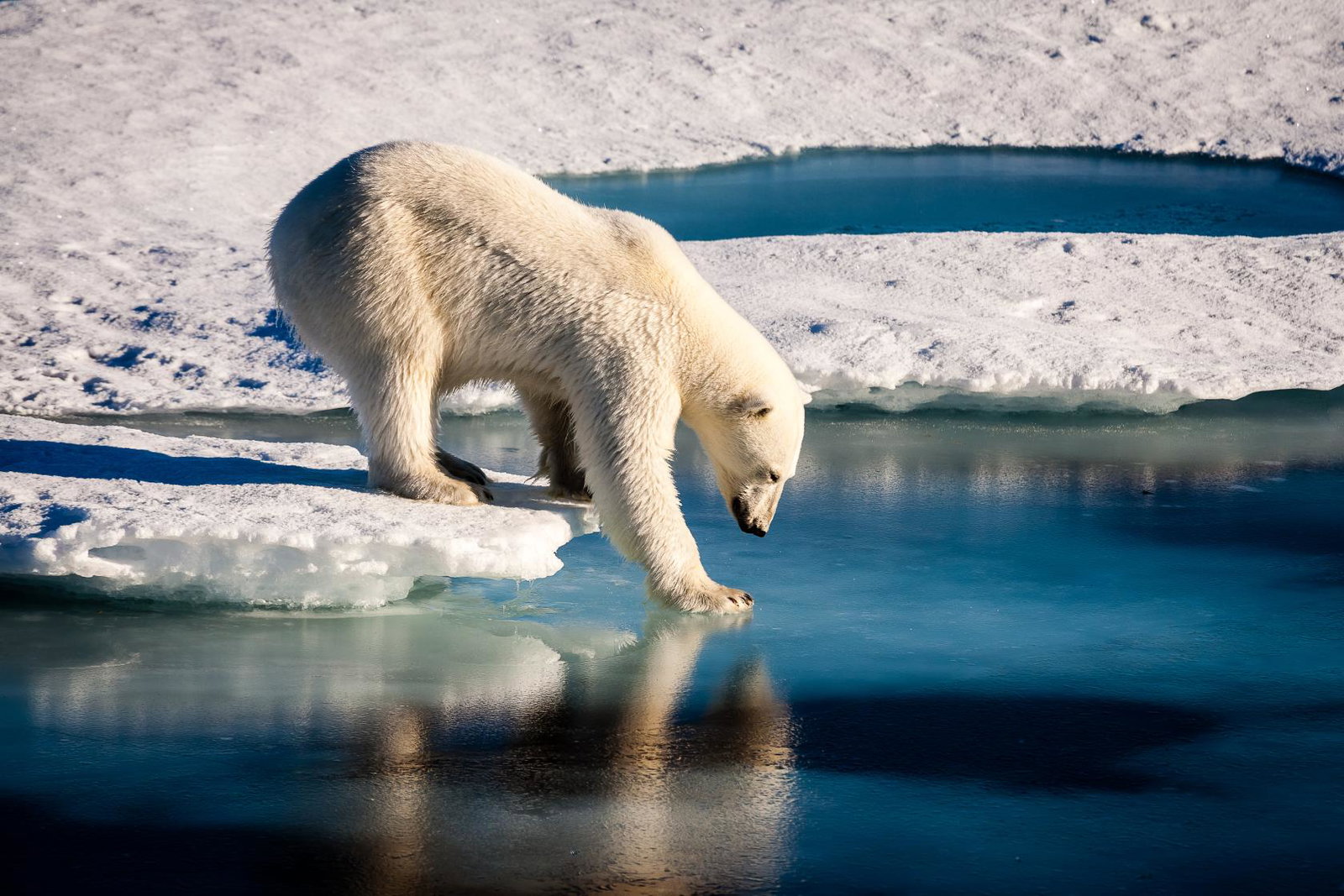
“Tourism is the vehicle by which we can create passionate advocates, but if they’re having to be convinced that that white dot 500 metres away is a polar bear, they’re not going to feel that passion or engagement.”
Can mainstream destinations feature in expedition itineraries?
Speaking during a travel trade panel session, James Cole, Panache Cruises chief executive, highlighted how there had been little or no mention of the Mediterranean or the Caribbean being destinations for expedition cruise operators in previous session.
“From a luxury cruise person’s perspective, there are destinations in the Mediterranean and the Caribbean that are great examples of using expedition cruising to take people away from areas where there might be overtourism,” said Cole.
Cole noted the port of Menton on the French Riviera had only just started to be included in cruise itineraries and urged agents to consider little known ports when promoting lines to clients.
The polar regions are ‘quite abstract’
Swoop's Mudd told agents in the room to ask clients lots of questions. “There are key questions that reveal to the sales specialist which destination to send clients to,” he explained.
“As a travel agent, you’re in the matching game. For someone who has never been to the polar regions. It’s quite an abstract concept. If you match the customers to the right trip, it’s over to the expedition teams onboard to deliver it.”