Our industry is awash in “luxury". The word, once the exclusive domain of the few, is now being enthusiastically claimed by brands with whom, just a few years ago, you'd never make the association.
When the likes of easyJet holidays launches a "Luxury Collection", or Jet2holidays pushes its "Indulgent Escapes" line, it begs the question – is this democratising the concept for the masses, or simply diluting a once-meaningful term?
The luxury trajectory
To understand this shift, we need to recognise the definition of luxury has always been fluid, and evolves with human desire. Cast your mind back 30 years – luxury was an absolute with very few passing beyond the velvet rope.
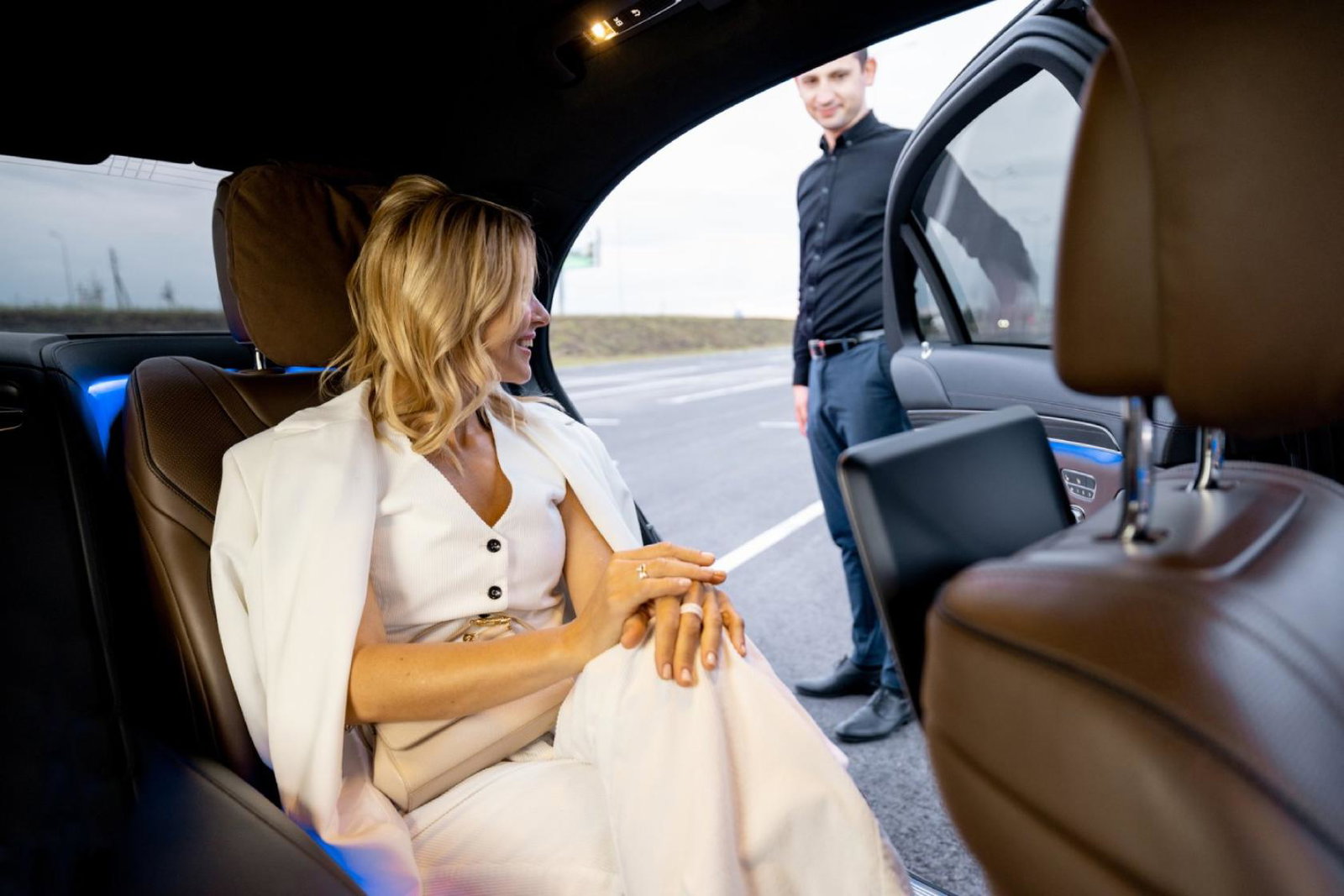
It meant exclusivity and unparalleled attention to detail – white-glove service, Michelin-starred dining, hushed marble foyers with doormen, 1,000-count Egyptian cotton sheets and staff dedicated to anticipating every need. It was a visible status symbol reserved for the very wealthy.
Then came the age of experiential travel. Luxury retained some of its traditional trappings, but its heart moved towards access and immersion. This was less about opulence and more about money-can’t-buy moments – meeting that Michelin-star chef, getting a private, behind-the-scenes tour of a famous museum before it opens, or sitting in the green room with a performing band.
While still exclusive, the idea of luxury was widening its appeal to a wider cohort of traveller.
The democratisation of luxury
We’ve now entered the era of affordable luxury and budget-lux. In an industry that loves a label, maybe it needs a new name. Budxury, perhaps. Or Luxget. Blux?
Mass-market players like easyJet holidays, Jet2holidays, Airbnb's "Lux", JetBlue's "Mint", Travelodge's "SuperRooms", and G Adventures with its new "Geluxe" range and "National Geographic Signature" products, are making bold claims in this space.
It’s a clear signal the term has become a powerful buzzword. It's certainly a bold commercial claim and one that, on some level, can be substantiated.
These sub-brands typically focus on upgrading the predictable friction points of mass travel by offering five-star accommodation, guaranteed baggage allowances and fast-track security, having premium coffee machines and elevated bedding, lie-flat beds and lounge access, and private transfers.
It’s a brilliant defensive play. It helps brands retain existing customers by giving them a reason to trade up or, as we see it at Llama, prevent them from defecting to an actual high-end operator.
But will it entice a high-net-worth individual, who can afford a genuinely luxury experience, to hop on a low-cost flight from Luton?
Some may argue this dilutes the word “luxury”, but perhaps it’s simpler – it has democratised the idea of luxury. It has brought certain expectations of elevated standards of comfort, convenience and quality to a far wider audience.
Working harder to define value
Luxury is just a word. But it’s a word that evokes a lot of emotion and a certain expectation. If that word is being usurped, what does it mean for the traditional players who built their entire proposition around it? It forces them to work harder and smarter.
Words and concepts are constantly evolving. Just because mass-market brands want to play in the sandbox doesn't lessen the fundamental value of true luxury. It simply changes the required proof points. The onus is now on every brand, regardless of their segment, to clearly articulate what they mean by the term.
For the mass market, affordable holiday sector, luxury might mean more effortless convenience and a comfortable upgrade. For the high-end sector, it must continue to mean exclusivity, bespoke access and the intangible perfection of a service that money alone can’t guarantee.
The image the word conjures up is evolving, and those who succeed will be the ones that clearly and honestly define their own version of it.
What do you think? Do you welcome more brands breaking into the luxury space? Or has it diluted the sector? Let us know your thoughts in the comments section below.
Heath Heise, co-founder of the Llama collective, started his career in travel marketing at British Airways, and as an alumnus of its graduate programme. From there he joined Amex Travel, eventually becoming vice-president of international brand, before finally becoming global marketing director at STA Travel. He is a specialist in developing brand strategies, creating visual identities, structuring marketing teams and delivering go-to-market plans.
Receive the latest luxury travel news, insight and analysis from TTG Luxury every Wednesday.