The last 15 years have certainly been filled with changes and challenges, and with multi-sector innovation accelerating – from artificial intelligence to carbon capture – the pace of change for those working in travel, and their clients, will continue to be rapid.
At the same time, there will be ongoing economic and geopolitical challenges to navigate as a worldwide recession looms and significant areas of the world experience conflict. If there is anything we have learnt from the Covid pandemic, though, it’s that humans are extremely resilient and our thirst for travel will never be quenched.
We are also extremely good problem solvers, which suggests that defining issues, such as climate change and overtourism, can be tackled effectively – if we try hard enough. Until that time, we will see a rise in low season and alt-destination travel as peak summertime locations become too hot –and too crowded – to bear. This will happen in parallel to an increase in high-net-worth travellers from Asia, who will once again have the freedom to fly internationally. According to Knight Frank, for example, by 2026, more than a third of the world’s billionaires will be from the Asia-Pacific region.
Here are 10 luxury travel trends predicted to be particularly significant into the rest of the decade.
1. VR Previews
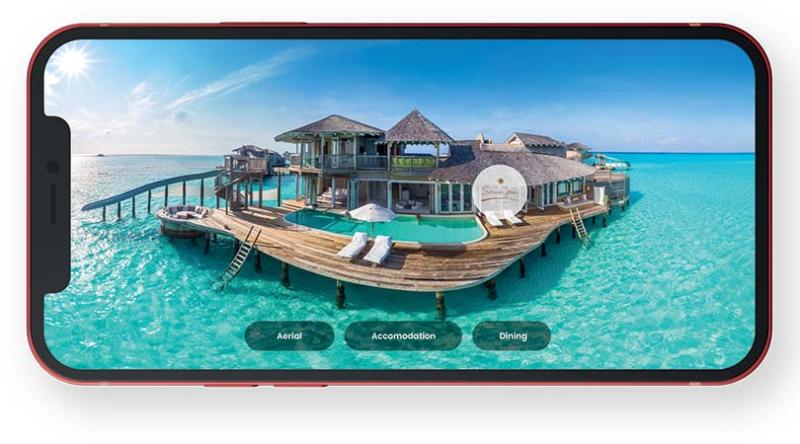
Like it or not, the metaverse will gain ever-greater prominence in our lives over the coming years. For the luxury travel industry, an obvious-use case will be virtual reality as a way of showcasing experiences for clients in advance of them booking.
Whether it’s a tour of a hotel, villa, party venue or superyacht, cutting-edge technology will allow for fully-immersive, 3D walk-throughs of their “digital twins”, as well as the opportunity to converse with representatives in avatar form.
Leading the way are companies such as Emirates, which already allows prospective passengers to tour its onboard cabins with Oculus headsets; metaverse events planning platform RendezVerse; Apple (its first mixed reality headset is coming soon); and, of course, Meta (formerly known as Facebook). Meanwhile, Igoroom is building the “world’s first VR travel agency”, supported by an app that provides VR tours of luxury resorts and will be available in the coming months.
2. Sub-orbital flights
This decade, we will be flying higher than ever before. In 2021, Virgin Galactic and Blue Origin set new precedents for taking paying customers on sub-orbital flights to the edge of space, and in the years to come we will see ever greater numbers of “everyday cosmonauts” ascending to the upper limits of our skies.
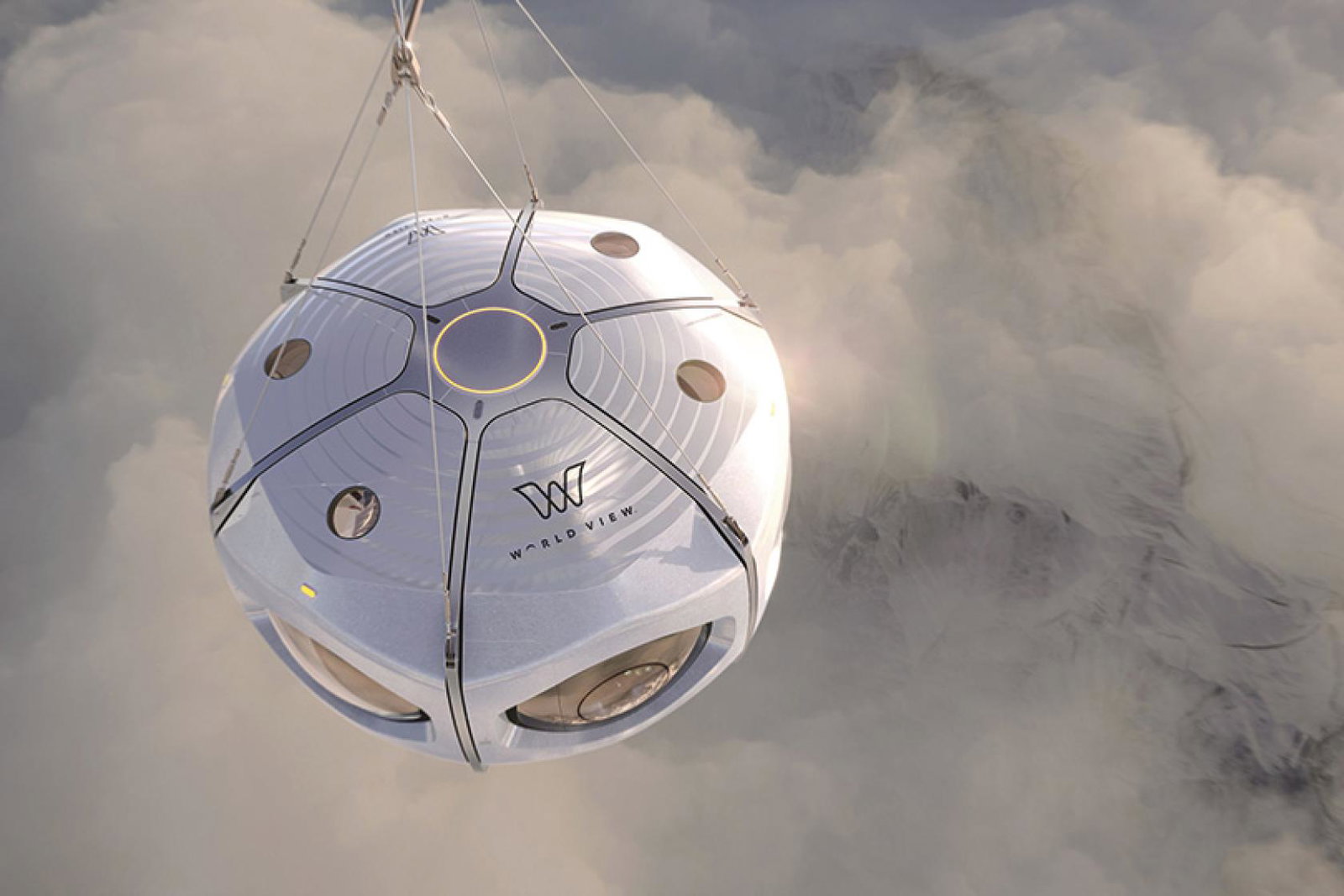
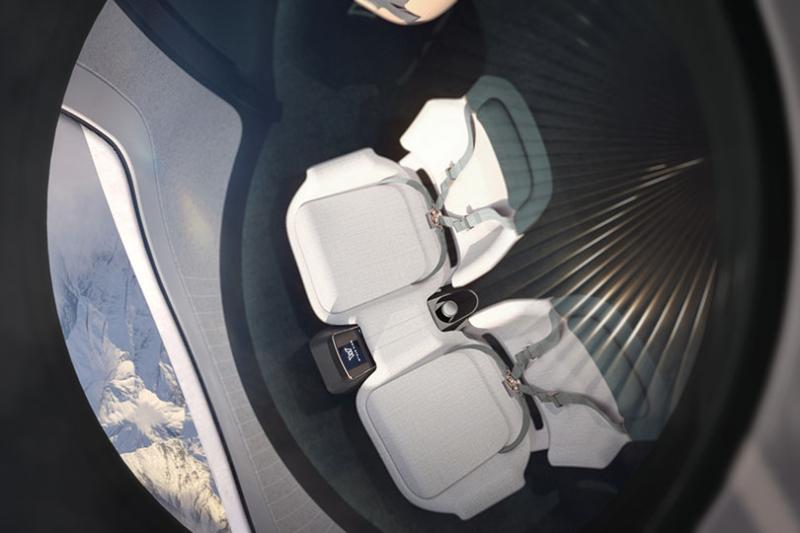
In preparation, Virgin Galactic has recruited Boeing’s Aurora Flight Sciences to build two new “motherships” that will be able to operate 200 flights per year from 2025. It is also building an astronaut training campus for civilians in New Mexico. A more tranquil alternative will be high-altitude balloon flights that take passengers on slow, peaceful, pleasure cruises into the stratosphere. One provider, Space Perspective, announced a recent partnership with Global Travel Collection, whose team of UK advisors are now taking bookings for six-hour flights from the Kennedy Space Center from 2025. World View (above) is planning commercial balloon flights for 2024.
3. Intrepid yachting
No longer satisfied with meandering around the Mediterranean and Caribbean, the high-net-worth travellers of tomorrow will be sailing to more remote and extreme locations.
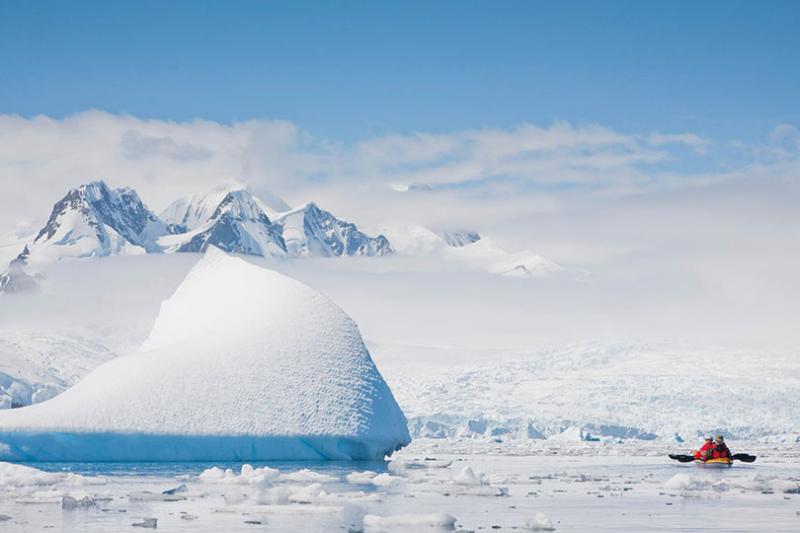
Anticipating demand, Cookson Adventures has started selling winter voyages onboard 126-metre explorer yacht Octopus, which will take passengers around Antarctica in the company of leading documentary filmmakers and scientific researchers.
With sustainability being front of mind, vessels will increasingly become low-impact. One demonstration of this comes from Silent Yachts’s new Silent 120 Explorer, which produces no emissions thanks to being entirely solar powered.
Destinations on the list for intrepid travellers will range from the Galapagos Islands and the Alaskan fjords to Australia’s the Kimberley and Papua New Guinea.
4. Longevity seeking