Next summer, people travelling to the EU from non-EU countries will need to register fingerprints and a photo with their passport details under new Entry/Exit System (EES) rules). Initial registration will be valid for three years, and will replace passport stamping. Bannister said Dover would be the likely pinchpoint.
He forecast the checks could take 10 minutes per car of four; two minutes per passenger, and two minutes for the vehicle, although he told the BBC this was subject to the technology used to complete the process.

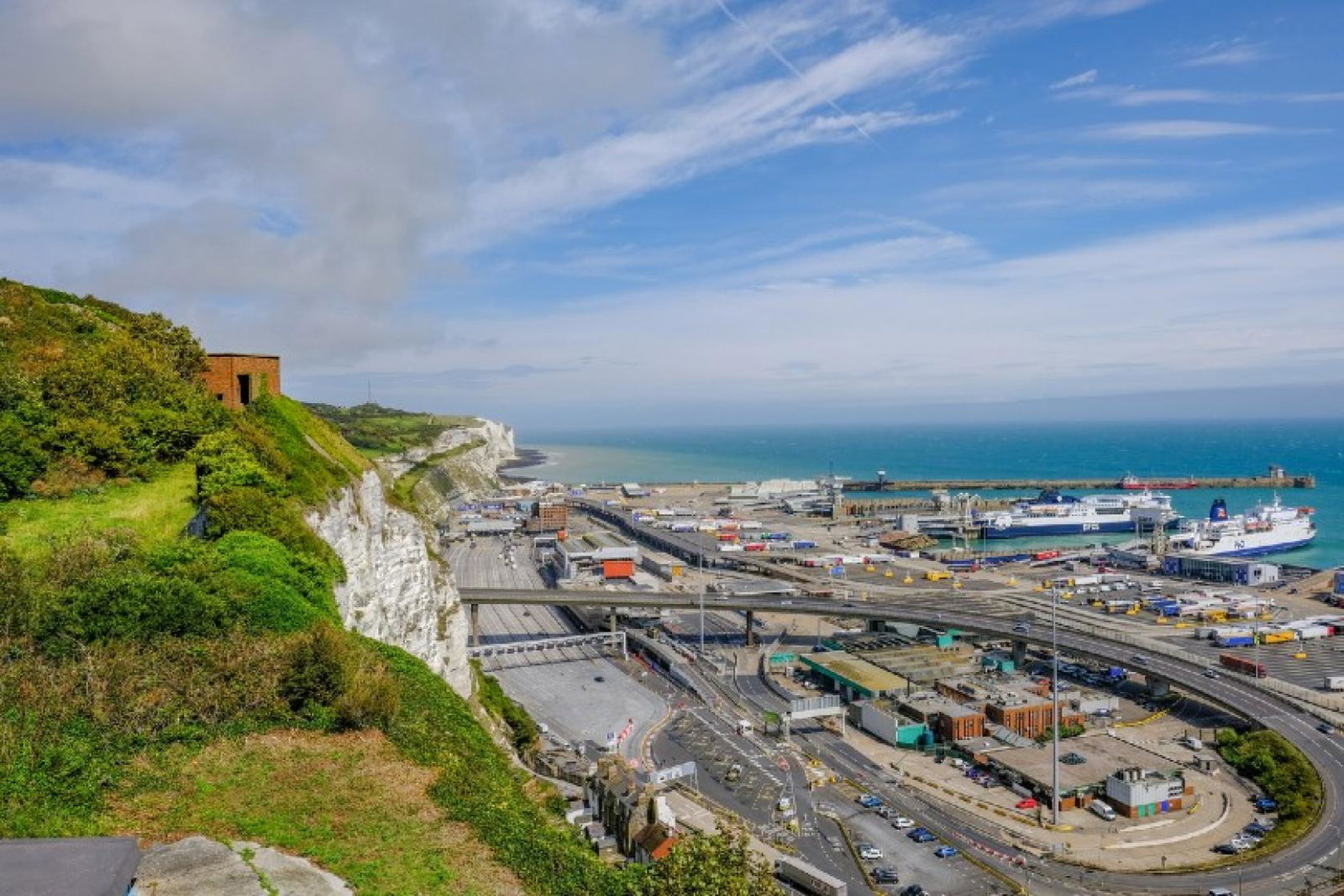
Bannister, Port of Dover chief executive, told the BBC if getting through the border took longer than it does at the moment, the UK would likely see "more congestion events" than there were this year.
Access to, and passage through, Dover was heavily disrupted during the summer getaway in July this year – the first since 2020. Eurostar chief executive Jacques Damas has also raised concerns over the "uncertainty" that still surrounds the introduction of the EES.
Bannister’s comments came as the port revealed its progress towards recovering pre-pandemic tourist business. From mid-July to early September, Dover welcomed more than 1.7 million passengers, more than half the full year total for 2021.
It also handled more cars during the summer season alone (400,000) than it did during the whole of 2021 (336,000). Pre-pandemic, around 11 million passengers and two million cars passed through the port every year, as well as 2.4 million trucks.
Reflecting on the summer, Bannister said interim measures introduced to mitigate "more time-consuming post-Brexit border checks" had "broadly worked very well". "The challenges we saw in Dover on the first weekend of the summer season were swiftly resolved and have not recurred," he said.
These measures included a 50% increase in interim French border control booths and adjustments to internal traffic routes.