With last summer’s post-pandemic demand now a faded – if warm – memory, agents are struggling to explain to clients why holiday and flight prices appear to remain so stubbornly high this year.
Price-gouging was understandable last year; capacity hadn’t been restored, and operators and airlines were keen to make up for their pandemic losses.
Consumers, meanwhile, were desperate to travel again. In theory, demand this year should be more normal, and now supply has been increased, travel should be cheaper.

On the package side, Atol capacity is at its highest level ever with 33 million authorisations for the full year – five million more than in 2019.
Similarly, in March, Iata said airlines were now operating at 99.5% of pre-pandemic levels, while flight schedule guide OAG predicted global airline capacity to be almost 3% ahead of 2019 levels during the first quarter of 2024.
It all points to a more standard market. In a year when capacity has soared and demand dipped, high pricing doesn’t make sense, but you don’t have to look far to spot some eyebrow-raising rates.
One reason, in early 2024 at least, was operators with their own airlines appearing to push flight-only customers towards more lucrative packages. Jet2.com flights from Manchester to Palma departing 25 May and returning 1 June – flight and hand luggage only – came in at an astonishing £1,630 for two, with a full package priced around the same.
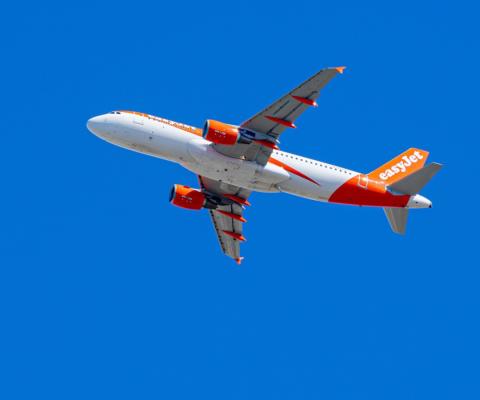
TTG found evidence of easyJet and Tui employing the same tactic. One example is a Gatwick-Alicante fare with easyJet during the May half-term week, priced at £1,236 for two, with a half-board easyJet holidays package to Benidorm on sale for less than £1,000 for a couple. During the same week, a flight-only Glasgow-Corfu fare with Tui was £598 for two, with packages starting from around the same price.
Another, perhaps more legitimate reason to explain high prices is global inflationary pressure. Jet2 chief Steve Heapy alluded to this in March when he said the UK was living “in inflationary times”. “We’ve seen prices increase throughout the supply mechanism,” he said. “Unfortunately, that comes through in the final cost.”
In the package market, there are no signs yet of a late sales panic from operators, but in early June, Tui posted 7,000 late deals for departures until October with the accommodation price reduced by more than 50% in some cases.
Tui’s promotional material said these rates were the “online saving on our in-store price, plus any applicable further reduction against this holiday’s launch price”.
Elsewhere, in the nearer future, Jet2 is offering £60pp off summer departures book through independent agents, while easyJet holidays has discounts of “up to” £200 on peak bookings worth more than £2,000.
No lates free-for-all
Kelly Cookes, Advantage Travel Partnership chief commercial officer, said there had undoubtedly been capacity increases, but added: “It’s in patches in certain places and in certain destinations. And some is for future seasons – we’ve seen quite a bit more for winter, for example, as operators react to geopolitics.”
Demand, she believes, is keeping pace. “The only piece of the market we’ve not seen come in is that lower-end family customer,” Cookes continued.
“They seem absent so far – it could be that they’re holding out for an attractive price, or they want to see what their discretionary income is like closer to when the full balance is due.”
Consequently, Cookes doesn’t predict a late sales free-for-all. “We’re now seeing members and suppliers push more share into future seasons than lates,” she said.
“There’s always going to be last-minute deals to be had, but from what we’re hearing from the market, members feel under less pressure to do a lot of the big reductions than in previous years.”
However, Cookes said the post-pandemic trend towards late bookings was enduring. “We’re probably doing about 5% more bookings within 12 weeks of departure than we were pre-pandemic, but the margin and the costs are higher, partially driven by the supply chain.”
Mainstream discounting picking up
Vim Vithaldas, Travel Network Group chief commercial officer, sees no cause for alarm. “In 2023, we had two wars, record inflation and record energy costs – and yet the travel industry had a record year,” he said.
“This year, inflation is coming down and prices have stopped rising as quickly. We had a very good peaks, same as last year, and March to May did not fall off.”