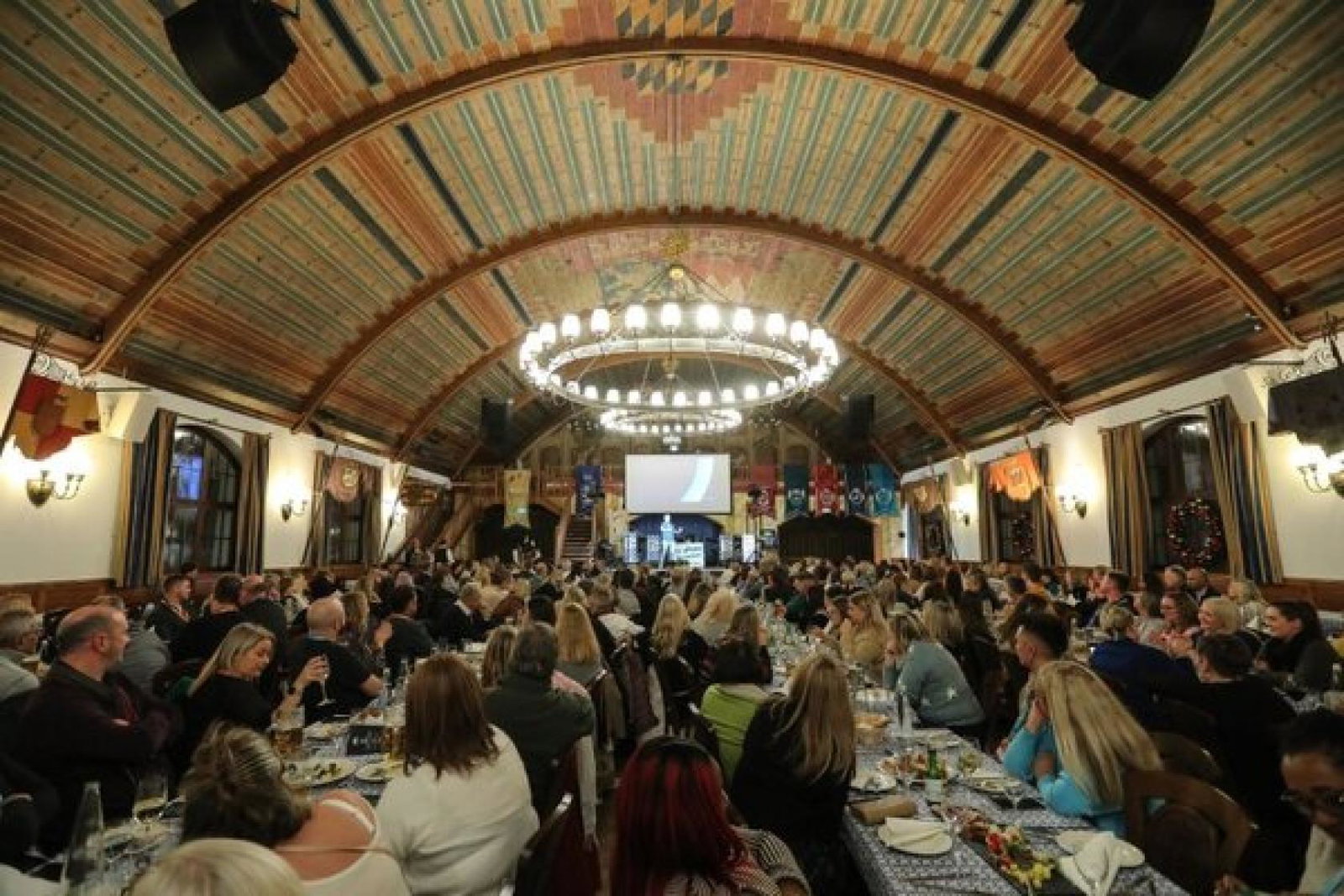
The consortium’s Munich conference this week was sufficiently storied even before the record snowfall that blanketed Munich just as the event was due to get under way, with the group having initially announced Jerusalem as its 2020 conference destination back in December 2019.
Over the next three years, TTNG grappled with a global pandemic, ever-shifting travel restrictions and further difficulties in a region not unaccustomed to geopolitical challenges, all while remaining hopeful of bringing its members together for a long overdue reunion.
In May, the Bavarian capital was chosen as an alternative destination for the conference, but days before delegates were due to travel, the snow arrived, shutting the city’s airport last Saturday with a knock-on effect of major flight disruption for conference-bound attendees.
Despite only around 270 of the 500 expected delegates being able to travel out to Munich, many of whom were coached in from Salzburg, Innsbruck and Zurich, those who did manage to reach the conference provided plenty of positivity to warm the spirits.
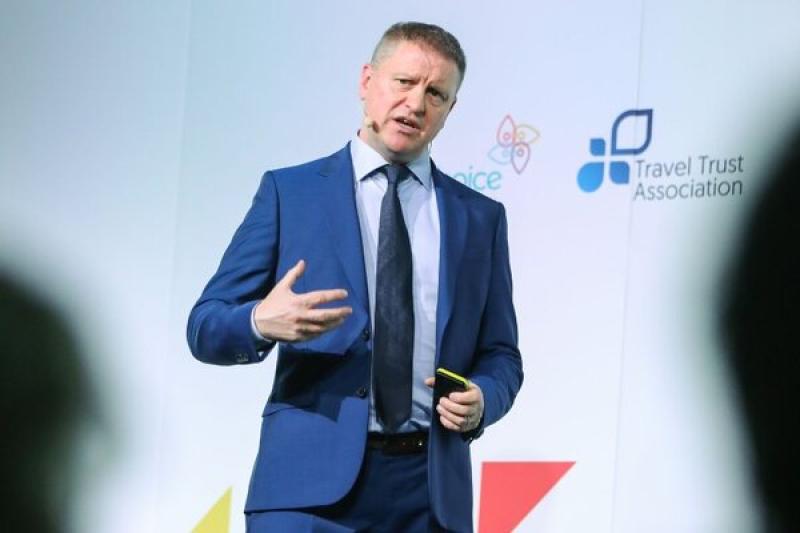
“We had plans in place [to deal with disruption], but we faced unprecedented levels of disruption all for one specific destination,” said Lewis. “The commitment members and partners showed to deal with all the adversity and get to Munich created such an incredible atmosphere – there was a whole new level of energy.”
With a condensed conference programme, Lewis said TTNG was still able to unveil a number of new initiatives and investments for its members ahead of the ever-important peak selling period, as well as look further ahead into 2024.
TTG summarises the key developments from the event over 4-6 December.
Cutting carbon
Perhaps TTNG’s boldest announcement in Munich came as the consortium pledged to cut its carbon footprint by 75% year-on-year and become carbon-neutral by 2030, enlisting the help of One Carbon World to measure its environmental impact and advise it on how to reduce it.
Lewis said the consortium needed to “take a serious look” at its environmental policy and admitted it was “miles away from a credible approach” before undertaking its current plan.
“We can’t tell our members to be taking steps if we aren’t doing them ourselves,” he told TTG. “And we’ll be updating members each step of the way to share our learnings and progress. It’s a really strong commitment – do we know now if we’ll achieve it? We don’t, but we need to take action and start making a positive change.”
Marketing makeover
A host of fresh marketing initiatives were unveiled at the conference, including access to a new customer relationship management (CRM) system and a deal to distribute consumer-facing magazines at supermarkets.
Lewis told TTG the free CRM could be integrated into an agency’s back-office systems to help members better service clients. “It will pull in better data from different areas and offer a single view and help them approach customers in a more targeted way,” he explained.