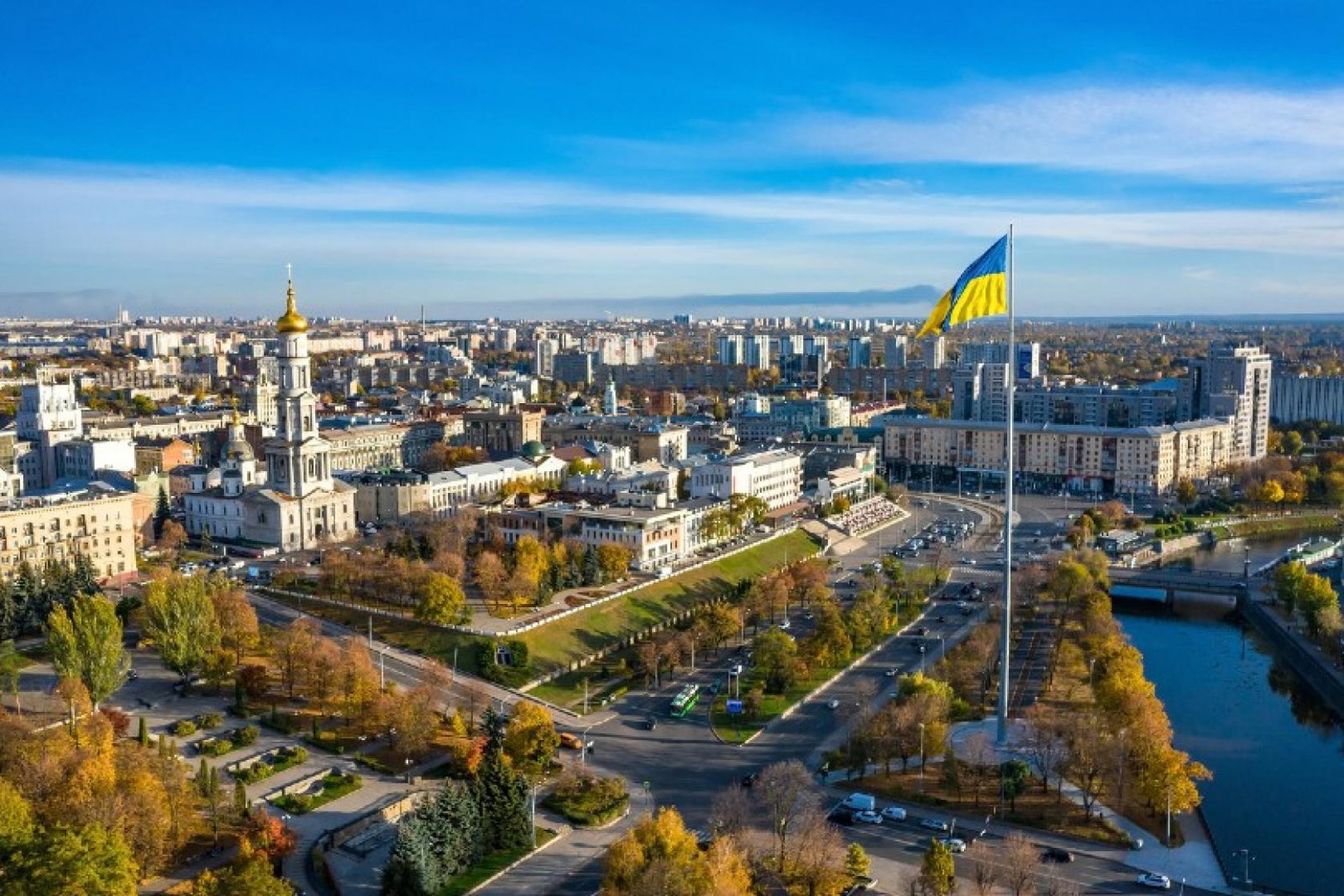
Russia’s skirmishing saw Ukraine’s airspace closed on Thursday (24 February), while Boris Johnson has threatened a package of measures against Russia. Within travel, there are fears the conflict will deter consumers from booking ahead, just as Covid restrictions are being eased, if they foresee an escalation – particularly for travel eastwards.
Tony Mann, director of Bradford’s Idle Travel, told TTG: “I did expect some calls, or for someone to mention it. I think as it progresses in the national media, people will start to ask questions. They’ll get their maps out and look how close they are going to come to it. I wait with bated breath to see how it affects people. In the areas we’re selling, it hopefully won’t affect business.”
Kelly Cookes, Advantage Travel Partnership leisure director, said: “I think it’s probably too early to see any trading impact, other than nobody has wanted to move bookings. It’s an unknown at the moment. We’ve been through a lot, so we’re resilient, but any kind of uncertainty impacts confidence.”
Industry veteran Noel Josephides, chair of Sunvil, who has coped with the effects on travel of several conflicts in his career, predicted consumers would be concerned: “I assume it will be like the Gulf conflicts and will depend on how quickly things happen," he said. "It’s going to have an impact on bookings today.”
He predicted most consumers would learn to live with the idea of a conflict. “It could be a fairly short, sharp shock before things go back to some sort of normality, or it could be a protracted war and people start to ignore what’s going on, like in Yemen or Syria. In both cases, people will carry on after they get used to it. It will mainly affect tour operators that feature Russia and nearby areas.”
‘Short-term reluctance’
Westoe Travel director Graeme Brett added: “We’ve not had any concerns raised by clients yet, but I was talking to another agent this morning who is on the local holiday forum, and they said somebody had asked the question as to whether it will be safe to go to Turkey. It’s the power of social media that’s going to cause problems.
“Look at the anti-vaxxers – social media spread their stories in a way that would have never happened in the past. As an industry, we need Abta and the consortia to be on the front foot reassuring people it is safe to travel, rather than reacting to bad stories.”
Gemma Antrobus, owner of Haslemere Travel, predicted a limited impact: “It could cause disruption in that area of the world, but I don’t anticipate it causing disruption many of the destinations we send clients to. To be honest, we’ve dealt with so much over the past two years, I think we will just pivot and act on whatever happens.”
However, Alan Bowen, legal advisor to the Association of Atol Companies, said: “This is not going to help at all. We’ve got to realise, at least in the very short-term, that we may see some reluctance to book.
“There’s no reason not to book to Spain, the Canary Islands or the US. You also saw the war in Syria did not affect bookings to Turkey. I think bookings will keep coming in later than normal for the rest of the year, irrespective of Ukraine. There’s still some uncertainty about Covid and many people will leave it to the last minute.”
An Abta spokesperson said: “Abta continues to monitor the situation and will keep members informed of any developments, such as changes to Foreign Office advice. We would recommend members sign up to Abta’s operational bulletins service, which is available free of charge and provides updates and advice on emerging issues and travel advice updates worldwide.”