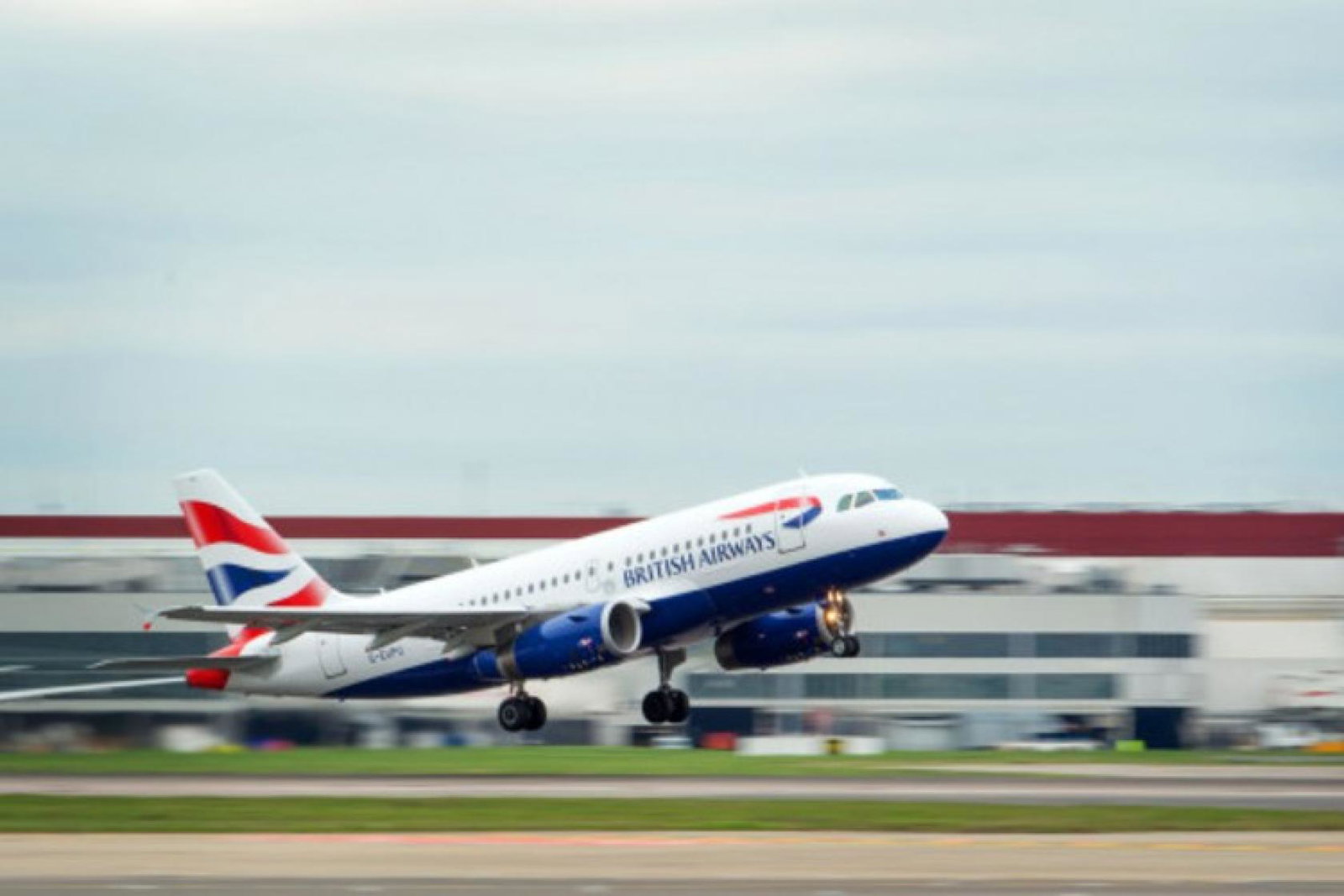
A boom in the numbers of insects during Covid, particularly bees and wasps, caused problems at Heathrow last summer, the Air Accidents Investigation Branch (AAIB) has concluded, with nests being constructed inside tubes that measure air speed and other flight data.
Seven BA aircraft, plus one from Virgin Atlantic, were affected by blocked ‘pitot’ tubes as a result of them being parked for extended periods during the pandemic. The incidents happened in June and July last year, with most being resolved before flights reached the runway.

The AAIB Serious Incident report said: “Although some of these events came to light during maintenance activity, two resulted in aircraft aborting their take off and, as such, involved a higher risk.”
The report said “dramatically decreased aircraft movements, very low road traffic levels round the airport, and an overall reduction in human activity” at Heathrow had made the airport more attractive to bees and wasps, which had sealed nests inside the aircraft tubes with clay, preventing them supplying data to flight systems.
One type of bee discovered, a hairy-toothed leafcutter, is not generally found in the UK and may itself have been carried in on a flight.
The AAIB said Heathrow would monitor insect life more closely from now on and airlines had taken extra precautions to cover and monitor pitot tubes.
However, the AAIB warned: “The high level of insect activity in 2021 could lead to a larger number of insects emerging in the spring of 2022. The seasonal risk of insects blocking pitot probes could be significant.
“Proactive habitat management and aircraft monitoring will be required to mitigate the risk. With the move towards ‘greener’ aviation, this may become even more important in the future.”