The line, which has set the goal of having net-zero emissions by 2050, sees using shore power as a significant way to reduce its carbon footprint.
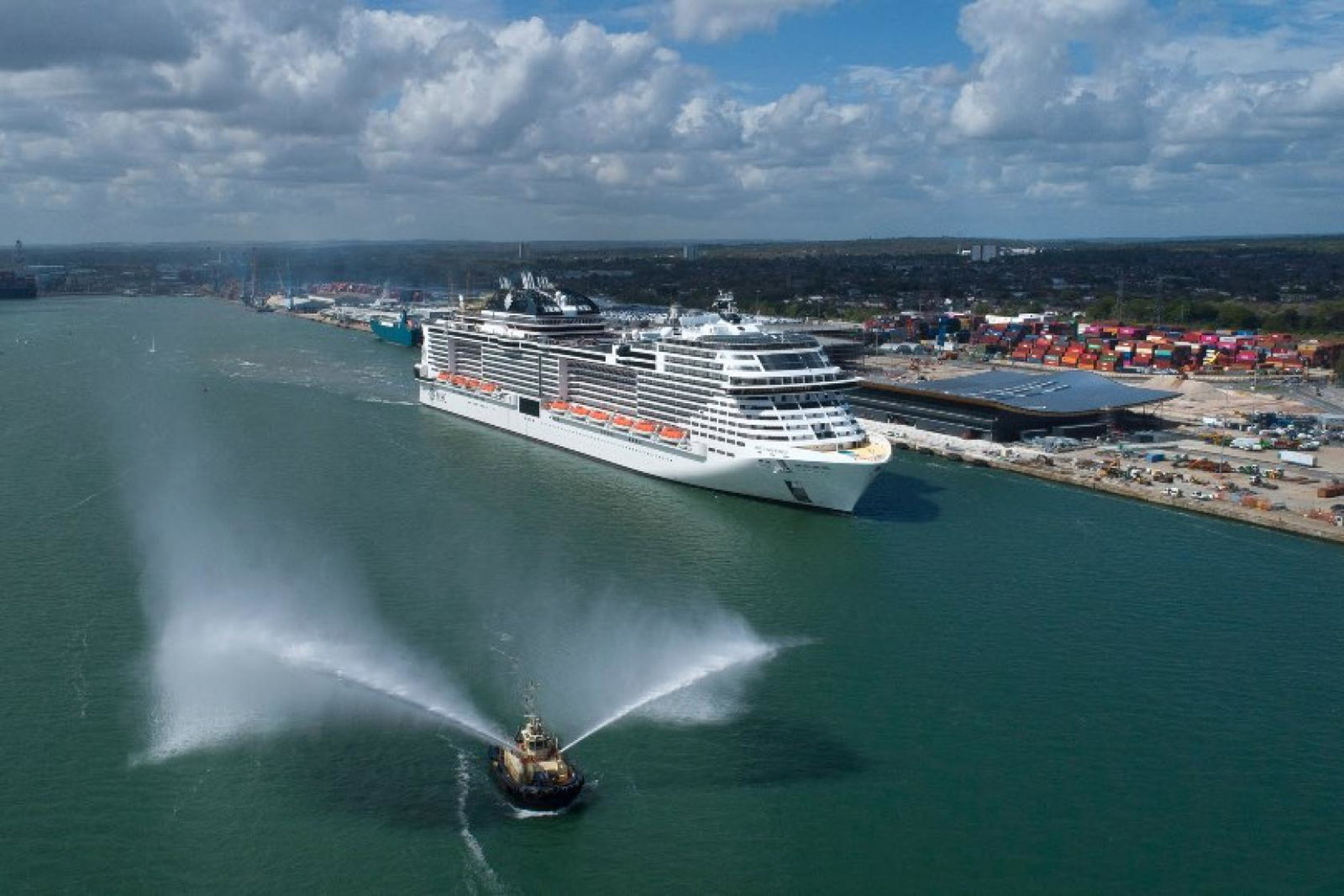
MSC Virtuosa and MSC Poesia will be consistently using shore power at the ports of Southampton and of Rostock-Warnemunde in Germany from the end of May.
Shore power enables ships to turn off their engines and connect to local electric power to run their onboard systems. This process prevents emissions as ships can turn off their diesel generators, which improves local air quality, as well as reducing noise and vibration levels.
Linden Coppell, director of sustainability at MSC Cruises, said: “We look forward to using shore power in Southampton and Warnemunde throughout the summer season and we congratulate the port authorities for their forward-thinking and innovative commitment.
“We need more ports in other key markets in Europe to introduce shore power as quickly as possible, thus joining our efforts towards net-zero emissions by 2050 and greatly reducing our local air emissions.”
The cruise line has also signed a memorandum of understanding with Cruise Baltic, which includes 32 ports and destinations around the Baltic sea, to jointly work towards creating shore power facilities in the region.
MSC added that 11 of its 21 ships, including all new vessels built since 2017, will be fitted with shore power capabilities by the end of this year.
“We have a clear and unequivocal position, that wherever shore power is available we will prioritise ships that have that capability,” added Coppell.
“To ensure compatibility with the visiting ships’ systems, we are collaborating closely with port authorities and engineering companies in charge of the infrastructure design.”
MSC will also launch its first hybrid LNG (liquefied natural gas) ship MSC World Europa later this year, with MSC Euribia due to follow in 2023. LNG reduces emissions from ships to improve air quality around ports and coastal areas.
MSC World Europa will also be the first cruise ship deploying solid oxide fuel cell (SOFC) technology, which is designed to generate electricity 20-30% more efficiently.