Responding to a letter from Shapps on Monday (28 March) urging him to reverse the cuts, P&O Ferries chief executive Peter Hebblethwaite said doing so would result in the firm’s collapse and the loss of a further 2,200 jobs.
Shapps said the government would give P&O Ferries "one final opportunity" to reverse its decision, or find itself forced to through new legislation shoring up workers’ rights and guaranteeing minimum wage.

The transport secretary also called on P&O Ferries to drop its 31 March deadline for seafarers to respond to the firm’s redundancy offer.
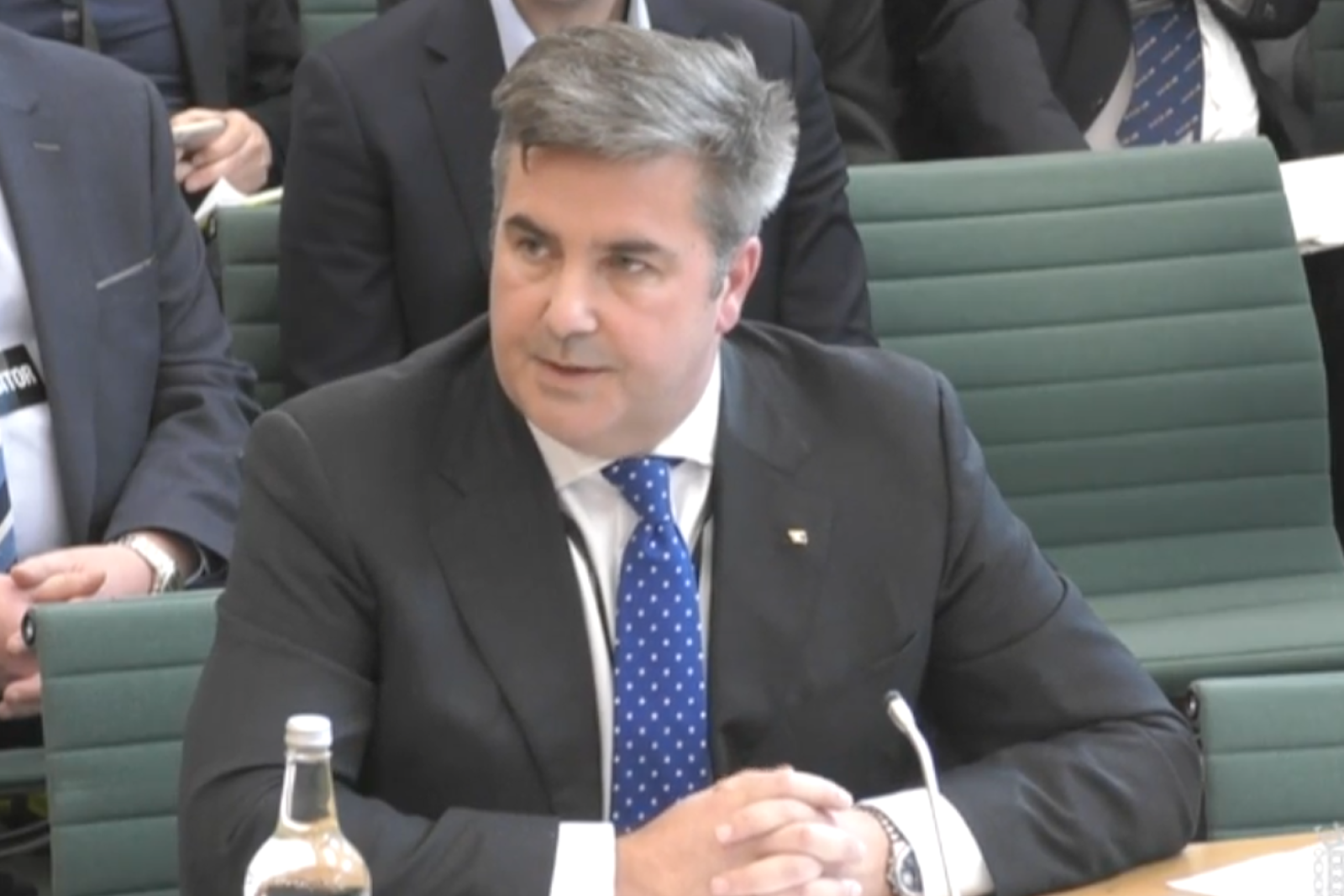
It comes after Hebblewthwaite, addressing a joint hearing of parliament’s transport and business select committees, admitted P&O Ferries knowingly broke the law by carrying out the sackings without notification or prior consultation with unions.
In a letter to Shapps published on Twitter by P&O Ferries on Tuesday (29 March), Hebblethwaite said despite "carefully considering all feasible options" and "painstakingly exploring all possible alternatives", P&O Ferries had nonetheless concluded it had no choice but to act as it did "for compelling business reasons".
"Had we failed to do so, we would have risked the entire company collapsing with the loss of 3,000 jobs," wrote Hebblethwaite. "Regretfully, we had no choice but to make 786 of our colleagues redundant without following due process. For this, we are correctly and promptly compensating those crew who have left our employment."
https://twitter.com/POferries/status/1508719375234306048
Hebblethwaite said 765 of the 786 sacked staff "had taken steps to accept" P&O Ferries’ settlement, with more than 500 already having accepted and signed settlement agreements – including 67 officers. "Accordingly, we cannot offer a change to the 31 March deadline for our redundancy offer to seafarers," said Hebblethwaite.
Hebblethwaite said the model the line has adopted brought it in line with the shipping industry globally "and was common among competitors". He said anticipated savings would come from removal of job duplication and increased flexibility rather than reducing wages, stressing that even if national minimum wage was applicable, "the need to adopt a different crewing model would not change".