In its results for the third quarter, released today, the airline reported that profits fell 8% from €103 million to €95 million for the same period last year.
Meanwhile average fares fell by 17% to €33 per passenger, while traffic grew 16% to 29 million customers.
The low cost carrier said Q3 unit costs were cut by 12%.
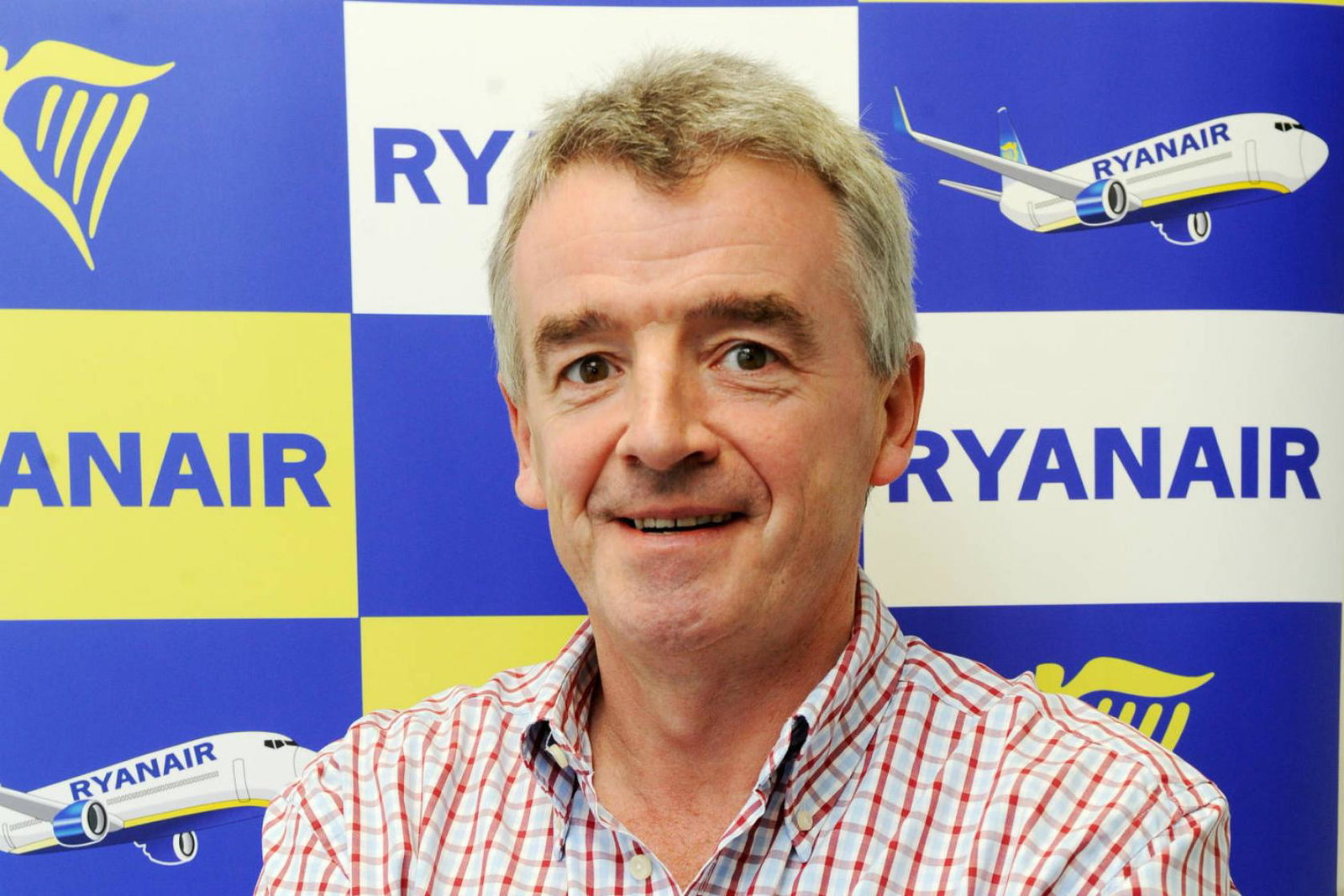
Chief executive Michael O’Leary said: “As previously guided, our fares this winter have fallen sharply as Ryanair continues to grow traffic and load factors strongly in many European markets.
“These falling yields were exacerbated by the sharp decline in sterling following the Brexit vote.
“Ryanair responded to this weaker environment by continuing to improve our Always Getting Better (AGB) customer experience, cutting costs, and stimulating demand through lower fares which has seen load factors jump to record levels.”
The airline continues to grow capacity, new routes and bases, at a time when other EU airlines are also adding capacity, and accordingly, the price environment remains weak.
“We expect the uncertainty post Brexit, weaker Sterling and the switch of charter capacity from Turkey, Egypt and North Africa into Spain and Portugal, will continue to put downward pressure on pricing for the remainder of this year and FY18,” said the company in a statement.
The carrier said it was growing strongly in Germany at a time when Air Berlin is restructuring. “However we call on the German government to follow London’s lead and break up the Berlin airport monopoly which plans to close Tegel Airport so it can restrict capacity and increase prices, while leaving the city of Berlin with less airport capacity than Dublin,” it added.
The airline said Q4 fuel was 95% hedged at approximately $56bbl.
It continued in a statement: “Our outlook for the remainder of FY17 is cautious.
“With less than two months of the year to go, and no Easter in March, we expect Q4 yields to decline by as much as -15%.
“Accordingly we are maintaining our full year profit guidance in a range of €1.30bn to €1.35bn, but this guidance heavily depends on the absence of any unforeseen security events affecting close in bookings.”
Ryanair admitted it “seemed clear” that pricing would continue to be challenging in 2018.
“We will respond to these adverse market conditions with strong traffic growth and lower unit costs,” it said.
“We expect our load factor active/price passive strategy will win market share from all higher cost EU competitor airlines, while we continue to open new markets.”
Ryanair's 8% profit fall 'exacerbated' by sterling decline post Brexit vote
Register for free to continue reading
Get unlimited access to the latest travel industry news and analysis, comment on articles and sign up to newsletters.
Register for free
Already registered? Login here or below.
Having difficulty logging in? Try these tips, or contact support@ttgmedia.com