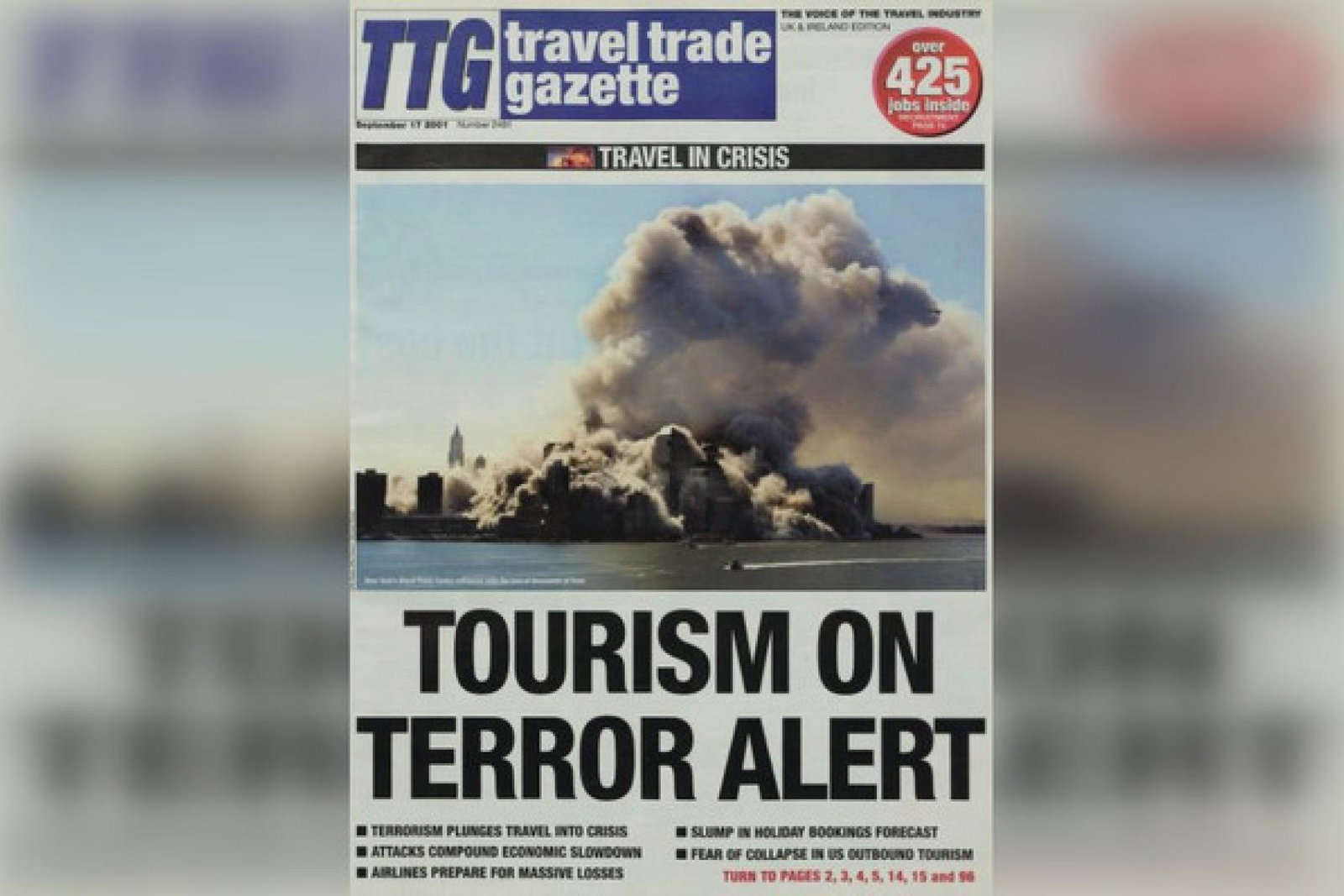
Airlines were forecast to lose $10 billion and hotels braced for the biggest slump in 30 years. In the immediate aftermath, some 70,000 airline jobs were lost. An estimated 15% of global cruise bookings, worth $4 billion, also evaporated, while all the big US airlines sought bankruptcy protection and Air France and KLM merged.
The fallout from the crisis was prolonged by the US-led invasion of Iraq, which saw troops stationed at Heathrow. An estimated 50% of family bookings were lost in 2003, while bookings to Cyprus fell by a staggering 60%. One agent said simply: “The Med is dead.” Baghdad soon fell, and Easter 2003 saw travel’s recovery begin in earnest, only for Asia to be plunged into crisis with the emergence of the Sars virus.
Climate change
The Indian Ocean was beset by tragedy following the devastating Boxing Day tsunami in 2004, which prompted industry-wide relief efforts. Hurricane Wilma, meanwhile, led to 8,500 UK tourists being airlifted from Cancun amid warnings such occurrences could become regular, strengthening the green lobby.
However, in 2007, then-prime minister Tony Blair warned it was “impractical to stop people flying”. The early part of the decade also saw domestic tourism devastated by foot-and-mouth disease in cattle, closing large swathes of the UK.
Meanwhile, the 2000s bore witness to efforts by British Airways to reshape the airline-agent relationship, scrapping commission for transaction fees. BA later axed these payments altogether, a move mirrored by almost all carriers selling in the UK. Operators also began driving down agent commissions, with Tui introducing a 7% base rate in 2005.
Operators’ marketing also came under scrutiny, with 25-35% peaks discounts. TTG pointed out these were priced in to allow in-house agencies to offer “bargains”. Independent agents launched a campaign exposing bogus “discounts” of 50%, while Thomson went against the flow by not discounting any 2001 and 2002 brochure prices.
Elsewhere, Virgin Group launched Virgin Sun – a short-haul tour operation and airline it pledged would be a market leader – only to wind up trying to offload it after just 18 months, before finally closing it altogether. The decade, though, did see charter operators explore new destinations, with Airtours and Unijet launching flights from Gatwick to Brazil’s beaches.
Online expansion
Online commerce began to blossom, but several travel start-ups failed, prompting TTG to warn the collapses “posed serious questions about the viability of selling package holidays online”. However, by 2006, no-frills airlines were predicted to sell more packages than the big four operators.
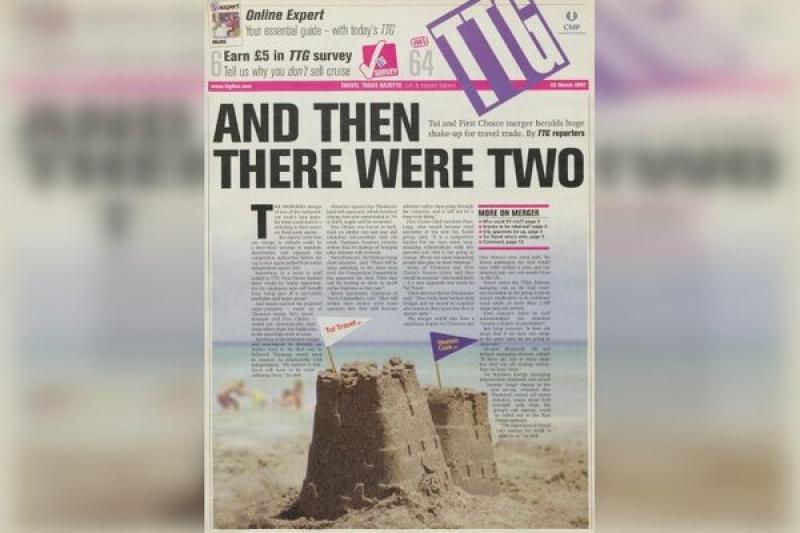
Airtours, which spent millions buying agency chains, was forced to admit it had too many shops – sometimes up to three in the same town – and confirmed plans to close 120 Going Places and Travelworld branches. Many displaced staff became pioneers of the homeworking revolution.
The business transformed into MyTravel, but was left with a million unsold holidays in summer 2002 amid ongoing fears over travelling. Airtours was then said to have priced 2003 at low margins, incurring a £73 million annual loss, which led to it seeking refinancing with the need to sell off brands.