Covid decimated travel – a seismic shock on a whole new scale compared with the impact of the September 11 attacks and the Gulf War.
But in January 2020, there was no inkling of what was to come; agents made hay during what they described as “manic peaks”, uninhibited by the collapse just a few months earlier of Thomas Cook or Boris Johnson’s storming to power. With Johnson, on 31 January 2020, came Brexit, whereby TTG warned of additional visa rules from January 2021, something still to happen.

However, one immediate impact was new restrictions on businesses “posting” foreign workers abroad, which led to ski operators cancelling chalet programmes, unable to staff them with seasonal workers from the UK. There were also restrictions on passport validity and a 90-day rule on EU stays.
These issues were put on the backburner a month later when the trade began rebooking clients away from places where confirmed coronavirus cases had been recorded. The enduring image was that of the Diamond Princess cruise ship, quarantined off Japan.
There was complacency too, though. One agent said: “As long as you’re fit and healthy, you don’t have to be overly concerned,” while the Pacific Asia Tourism Association predicted “a swift return to normal booking patterns in the months ahead”.
The industry immediately ran into criticism for not refunding clients as the virus spread, with agents caught in the middle. Abta urged the government to permit operators to offer credit notes “and accept most travel organisers cannot refund customers on time”. Meanwhile, airlines began flying in PPE from China.
Government aid for stricken agencies and operators received a mixed reaction, with a temporary abolition of business rates, access to the Coronavirus Business Interruption Loan Scheme and sick pay support for companies with self-isolating staff. However, many independent agents, having furloughed staff, worked without pay for months to refund clients.
In May 2020, the prime minister confidently announced the UK was past peak-Covid. However, countries imposed self-isolation requirements and the UK added its own two-week quarantine rules. By mid-2020, the government issued a “Don’t go on holiday” message, adding to consumer confusion over Refund Credit Notes for existing bookings. Consequently, sales collapsed.
Travel corridors were established in June, but were frequently shut almost as soon as they were opened, shattering consumer confidence and serving only to increase the refund burden on travel sellers.
Hopes for 2021 came with the rollout of several Covid vaccines, but these hopes were for bookings, not travel, after the UK government ruled out foreign trips without a legal reason.
Airlines tried to persuade governments to permit pre-flight testing to no avail. When testing did become the norm, the exorbitant cost put off families. Meanwhile, countries such as Spain prepared to create formal travel corridors using a digital pass.
May 2021 saw the introduction of the UK’s traffic light system, with destinations flagged “red” requiring testing and hotel quarantine, while “amber” countries required tests before departure and upon arrival home. The few labelled “green” – like Portugal – were open to anyone vaccinated and able to prove it.
However, the system served only to create stop-start frustration for the industry, with travellers unwilling to risk destinations moving to red while they were away, which would require them to quarantine upon their return. As a measure of the chaos, the only mainstream green-list destination – Portugal – found itself on the red list just three weeks later.
Moreover, countries like France went on to introduce a five-day quarantine for UK visitors. Many called for quarantine to be removed from amber destinations, like Cartwright Travel managing director Steve Cartwright, who said this “could save summer”, but most sales were for summer 2022 – and the cost of testing remained an issue.
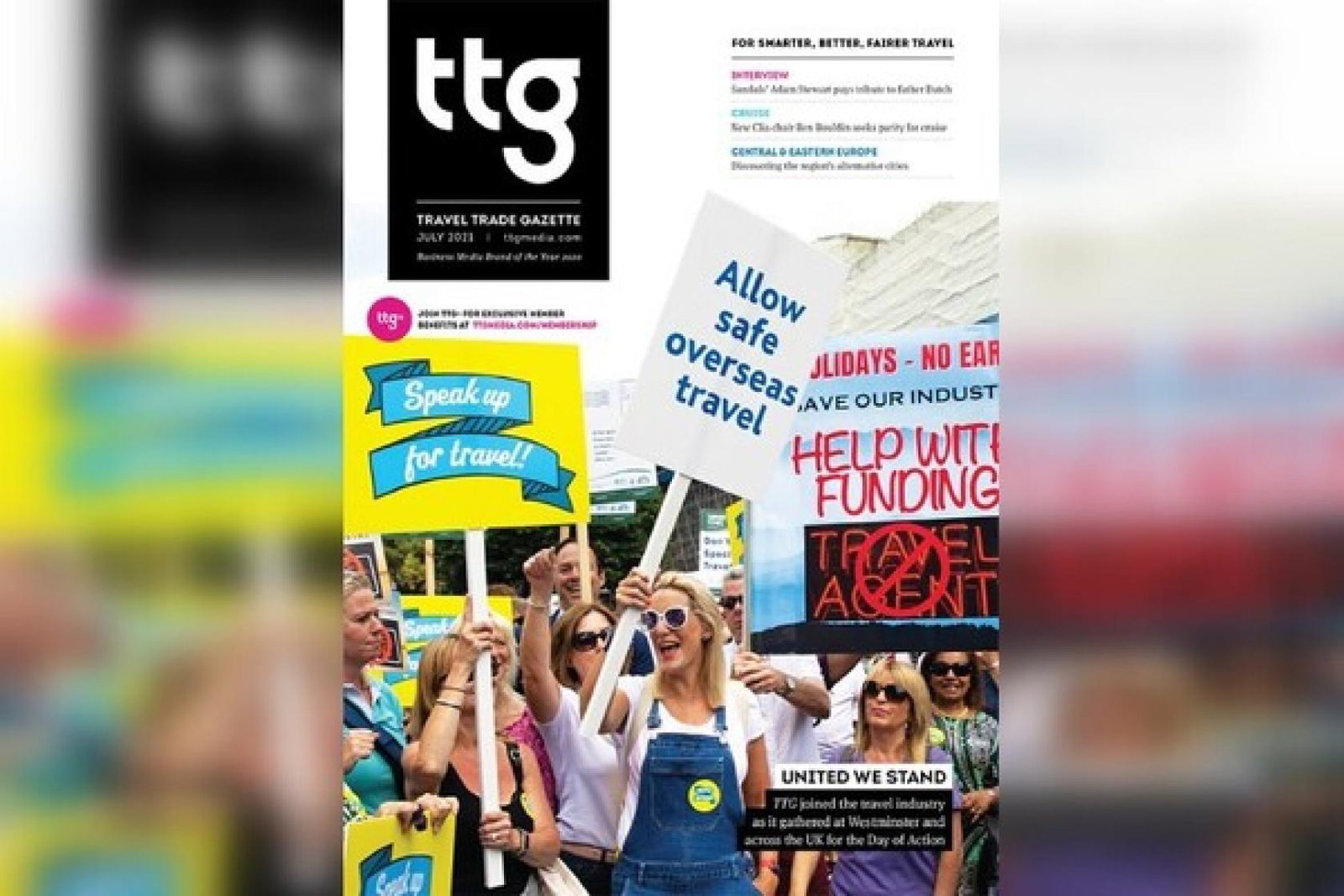
The industry marched on parliament in June for Travel Day of Action. Transport committee chair Huw Merriman said: “The choice is stark; either let people get on with business and travel or, if we are going to be restrictive, cough up the cash and pay the sector compensation.”