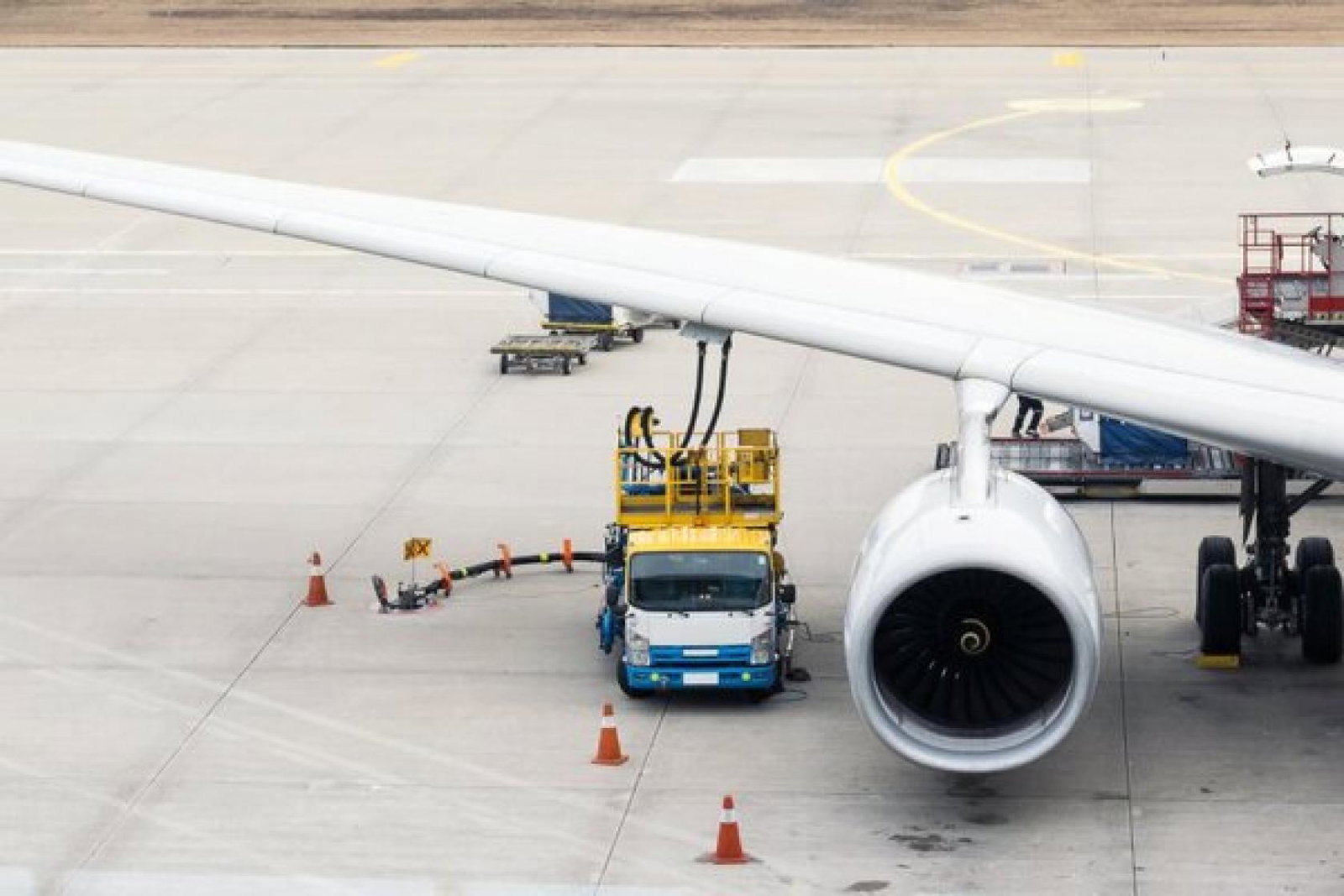
The WTTC believes that without “meaningful quantities” of SAF, aviation will not decarbonise to net zero by its target of 2050. A report by the WTTC and technology advisors ICF estimates SAF production must increase 1,300 times over to meet projected demand. This would take output of SAF from the current 0.24 million tonnes to the forecast 330-445 million tonnes required by 2050.
It said: “SAF is expected to deliver the majority of greenhouse gas abatements needed to achieve net zero carbon emissions by 2050. Unfortunately, SAF production rates are insufficient to meet demand and prices remain high despite the recent exponential increase in production.”
Julia Simpson, WTTC president and chief executive, added: “We are calling on all governments to act now. The demand for SAF has never been higher, airlines all over the world want to use SAF and have used every molecule ever made.
"However, current SAF production only meets 0.1% to 0.15% of requirement, despite a 200% increase in production in 2022 versus 2021. This leaves a massive gap that can only be filled through rapid and sustained investment.
“At today’s prices, SAF is on average three to five times more expensive than traditional fossil fuels. Governments must address this cost disparity by providing financial support and incentives to make SAF more accessible and affordable. Without those targets and without those incentives, the sector cannot decarbonise.”
Simpson was speaking as the G7 nations, including the UK, meet in Japan. “The G7 leaders have an opportunity this week to deliver critical leadership on this issue,” she said.
The WTTC called on governments to follow the example of the US, which has created tax incentives for SAF production.