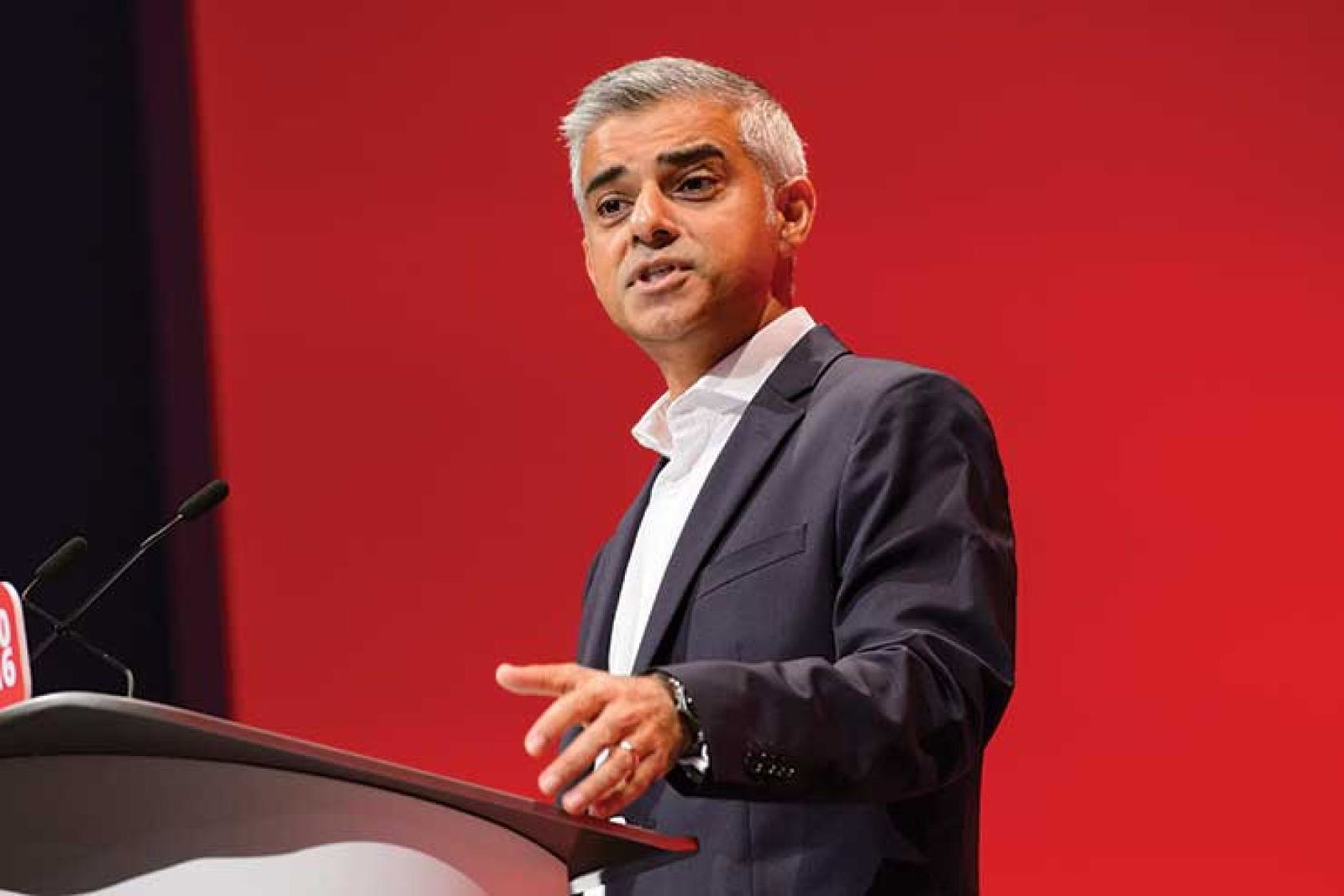
Proposals endorsed by London mayor Sadiq Khan at a cross-party event last month would see visitors to the capital paying up to a reported 5% extra on their overnight stays.
“We were really concerned to hear the mayor come out in favour of the bed tax,” Wells, chief executive of the trade association, told TTG.
“We should be doing everything we can to try and encourage people to come to the UK – saying you’re going to slap a tax on them when they get here is completely counterintuitive.
“The argument is made that this is a way of building more revenue for tourism and culture, but I have yet to see a tax like this be sent where it was supposed to go.”
The Greater London Authority’s Options for a tourism levy for London report argues that “many European and global cities impose tourism taxes or levies, most of which are devolved to the relevant municipal authorities”.
But Wells argued that tourists to the UK already pay a high proportion of tax. “Why we would want to fleece them even further is beyond me,” she said. “It would send out completely the wrong message, especially in the current climate [post-Brexit vote].”
She continued: “There’s a logic that having the ability to set their own taxes and control spending will enable local authorities as well as the devolved administrations to be able to dictate their own destiny in a way they can’t now, but using tourism to do that is flawed.”
Wells said in a recent UKinbound survey asking members what they were most concerned about, 28% said it was the UK leaving the EU; 26% said attracting visitors from new markets; 21% said improving product for customers; and 25% mentioned currency fluctuations.
Wells pressed that while “visitors are thinking the UK is good value for money versus the euro or the dollar”, she believed the cost for travel companies providing product here “is going to get worse”.
“Where it’s particularly interesting is for hotels that are owned by multinationals – they’re buying stock or their allocation of revenue is in a different currency.
“If you need to import in order to deliver a service, the cost of that is going up,” she added.