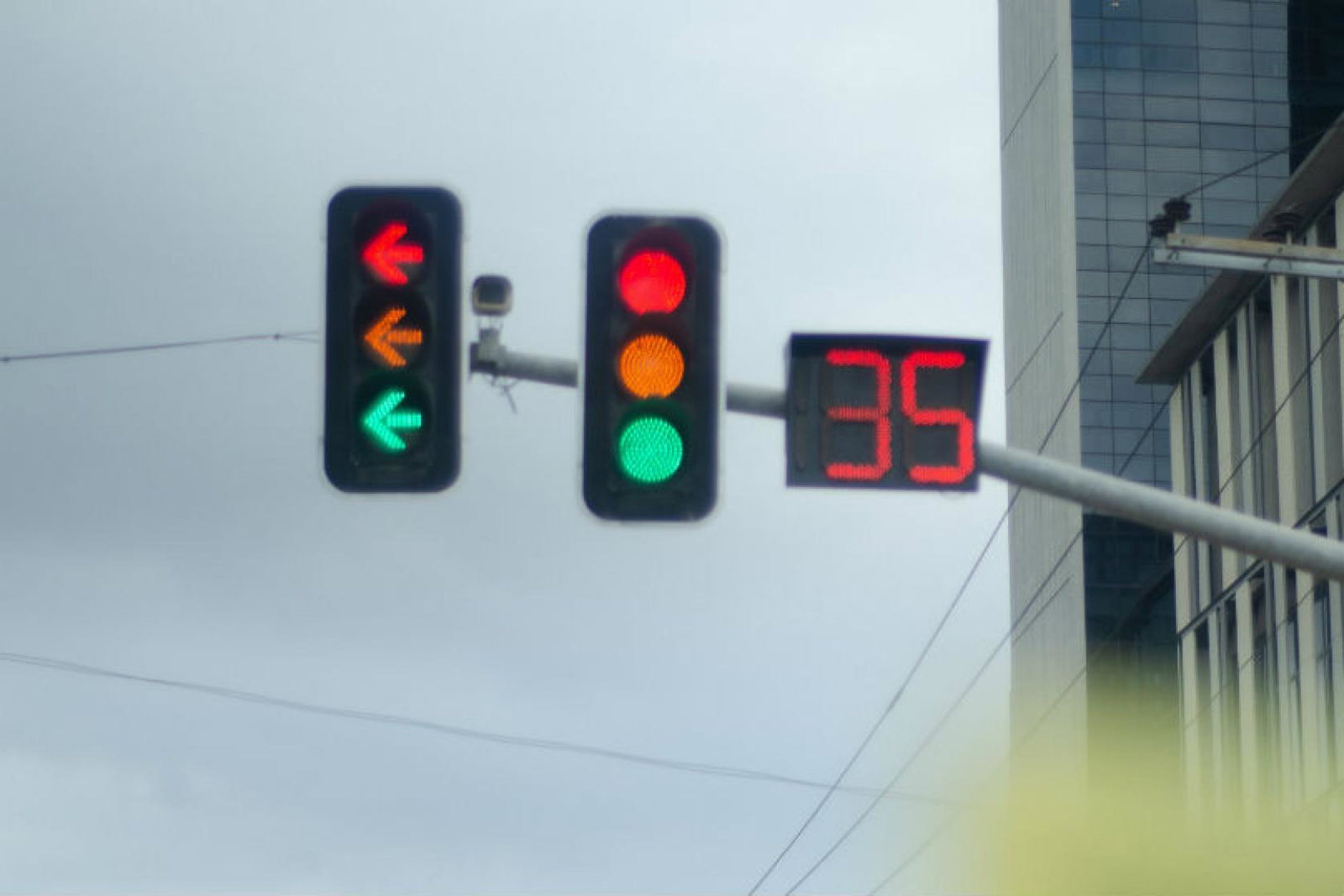
It means travellers from Colombia, the Dominican Republic, Ecuador, Haiti, Panama, Peru and Venezuela would no longer have to submit to 10 days’ mandatory isolation upon arrival in England.
Both the BBC and Sky News on Thursday reported the system would not be scrapped and would instead be retained to guard against the import of new variants of Covid-19, if a particular country was deemed to pose a significant variant risk. This was later confirmed by transport secretary Shapps.
Shapps tweeted: "Update: All seven remaining countries on the red list will be removed from Monday 1 November at 4am.

"We can also confirm that from Monday, eligible travellers from over 30 new countries and territories including Peru and Uganda will be added to our inbound vaccination policy, bringing the total number of countries on this list to over 135.
"We will keep the red list category in place as a precautionary measure to protect public health and are prepared to add countries and territories back if needed, as the UK’s first line of defence."
Danny Callaghan, chief executive of the Latin American Travel Association, said UK government recognition of the "excellent" vaccination programmes in the region had been "long overdue".
"There has been extensive engagement with the UK government to get to where we are, and I’d particularly like to mention the efforts of Natalia Royo, Panamanian ambassador to the UK, who has taken the lead on bringing the the UK and Latin American health departments together to address the outstanding concerns of the UK.
"After many challenging months, Lata members will be pleased that they can look at taking their clients to this amazing part of the world once again. This is a very well-needed boost for the Latin American travel sector.”
‘Lurking threat’
Travel Network Group chief Gary Lewis said the industry would breathe a sigh of relief at seeing the imminent threat of hotel quarantine recede.
"It is encouraging to see further progress being made to remove barriers to free travel after 19 months of restrictions," said Lewis. We hope that this move helps to build customer confidence and reassure people that they can book trips and travel without the threat of costly or disruptive changes to their plans."
However, Clive Wratten, chief executive of the Business Travel Association, said that while the removal of the seven remaining red list countries was appreciated, the decision to retain the red list concept left a "lurking threat" of fresh additions to the list, while "the continued existence of quarantine hotels" would continue to impact confidence.
"Business travellers, especially, need to understand the criteria the government is using to make these decisions," said Wratten. "Businesses and livelihoods depend on a more open and collaborative approach from the government."