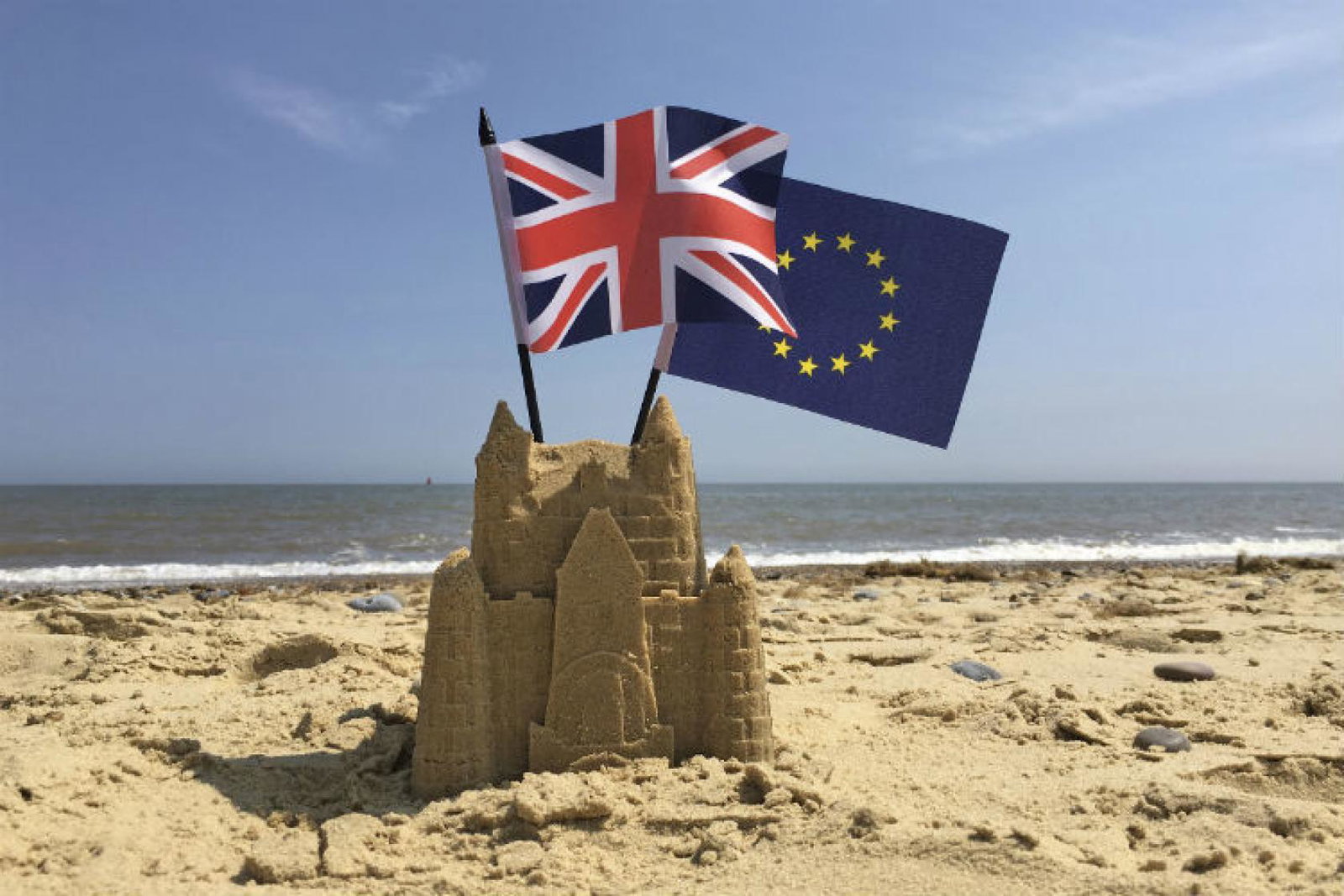
Dr Joseph Garcia said he believed a “well-managed and orderly Brexit” was in the best interests of Spain and Gibraltar’s tourism sector.
He was speaking as the row between the UK and Spain over the sovereignty of the British Overseas Territory intensified, following a draft of new Brexit negotiating guidelines published by the European council last week.
According to the document any decisions made between the UK and EU post-Brexit that affect Gibraltar must be consulted on with Spain first.
“I think that Spain is well aware just how important the UK is to its tourism industry. Indeed, the largest single national component in terms of visitors to Spain and air passengers to Spain [is] UK tourists,” Garcia said.
On Monday May dismissed the possibility of going to war with Spain to protect interests in Gibraltar, following suggestions from former Conservative leader Michael Howard that the UK should take an aggressive stance on the matter.
Gibraltarians are British citizens with the territory self-governed under its own government expect for foreign policy and defence, which are dealt with by Westminster.
Despite two referendums - in 1967 and 2002 – during which citizens voted to remain part of the UK, Spain has refused to relinquish its claim to the territory.
So far in 2017 seven UK-facing cruise ships have visited Gibraltar carrying 11,500 passengers in total.
Lines which have visited this year include Saga, P&O and Fred Olsen.
The latest tourism figures for Gibraltar show that 24% of all visitors to the Rock in 2015 were British.
Garcia said that in spite of the increasing political tensions, the destination’s government was “confident” Gibraltar’s tourism industry would “continue to grow and prosper.”
Echoing Garcia, a Gibraltar specialist OTA told TTG it was “absolutely committed” to growing tourism to the destination.
Raj Kumar, managing director of Ilford-based My Gibraltar, said that even if Spain was “inconveniently” given greater control over Gibraltar’s borders as a result of negotiations post-Brexit, the agency did “not envisage any significant impact on tourism.”