The UK government’s mini-Budget caused sterling to crash to levels not seen since 1971, with fears it could even reach parity with the dollar despite a small recovery.
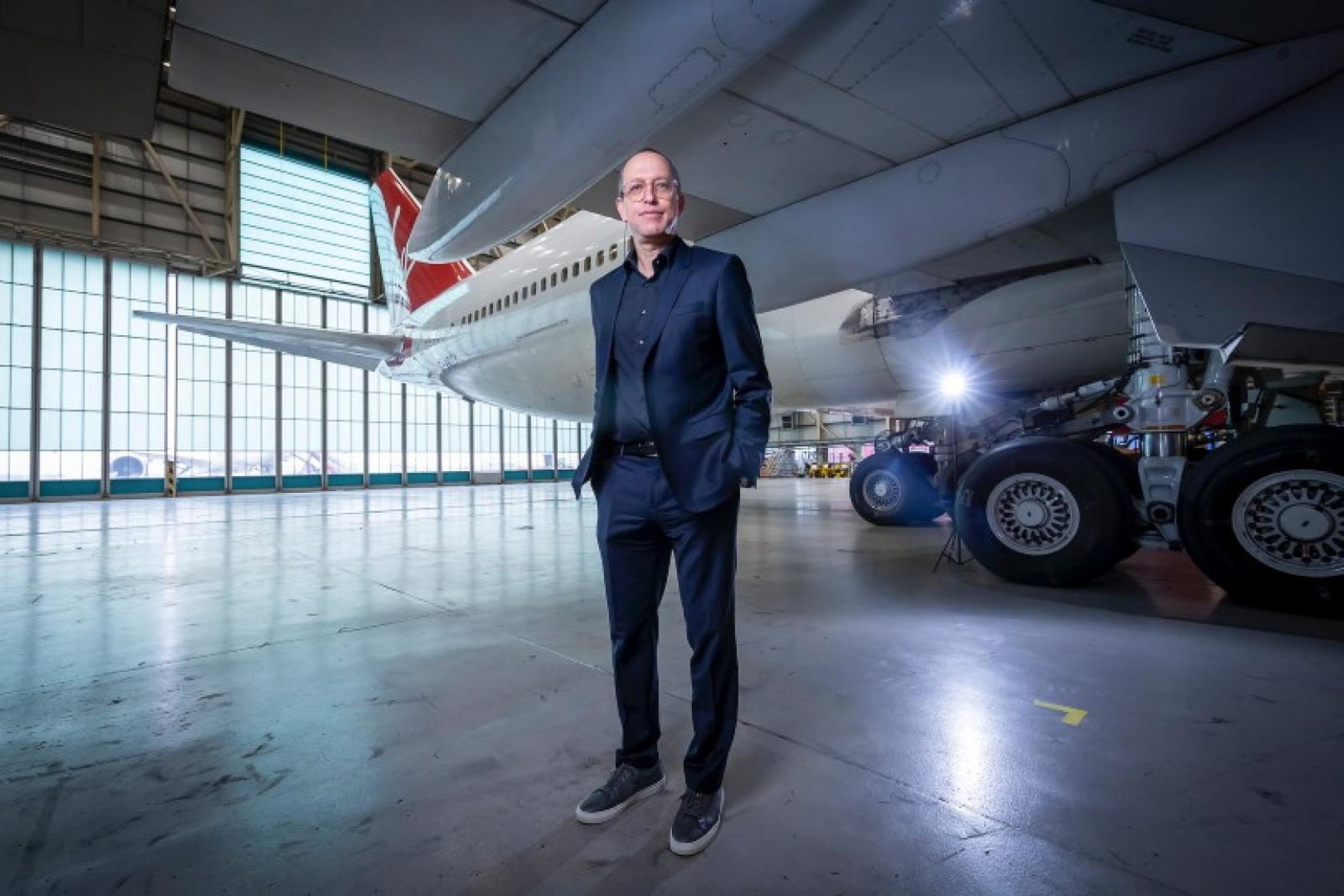
Virgin Atlantic chief executive Shai Weiss said 70% of the airline’s traffic went through the US, with 30% of revenue coming from the US.
Weiss said he had not yet seen any weakness in bookings and added: “We have seen this already after Brexit. We know holidaymakers reduce by one night and one star in accommodation. I think it is more of an adjustment down, possibly.

“People are still catching up from two years of non-travel but there is no doubt people will adapt.” He added that for Americans, “this country is on sale”.
He said revenue was up 27% and average value up 28% with 80-85% load factors in the fourth quarter. Summer bookings were “very, very strong” but with capacity 15-20% below 2019.
However, Weiss admitted the pound’s weakness would impact Virgin’s purchasing power. “We buy planes and fuel in dollars. Thankfully we took some financial decisions that will ease the burden over the next 12 months.
“We anticipated a potential decline in the pound and took financial positions which would allow us to benefit if the pound got to parity (with the dollar). For the next six to 12 months our position is slightly cushioned by some smart decisions we took earlier in the year.”
He added: “The message to the prime minister is pretty clear, maybe they need to take more difficult decisions to reverse the decline of the pound to ensure this country is not left with perceived weakness in international markets. We are concerned, but Virgin fundamentally is OK.”
Weiss also called on Heathrow to return to its pre-Covid capacity of 80 million passengers but predicted it would aim for 65 million.
“Heathrow was right to say there is a problem with ramping up. They should have started their preparation a year ago.
"What they have been doing, literally, is managing the customer experience. They managed it to a number they wanted to exist, which is much lower than the demand out there. For the next year, let’s not make the same mistake.”