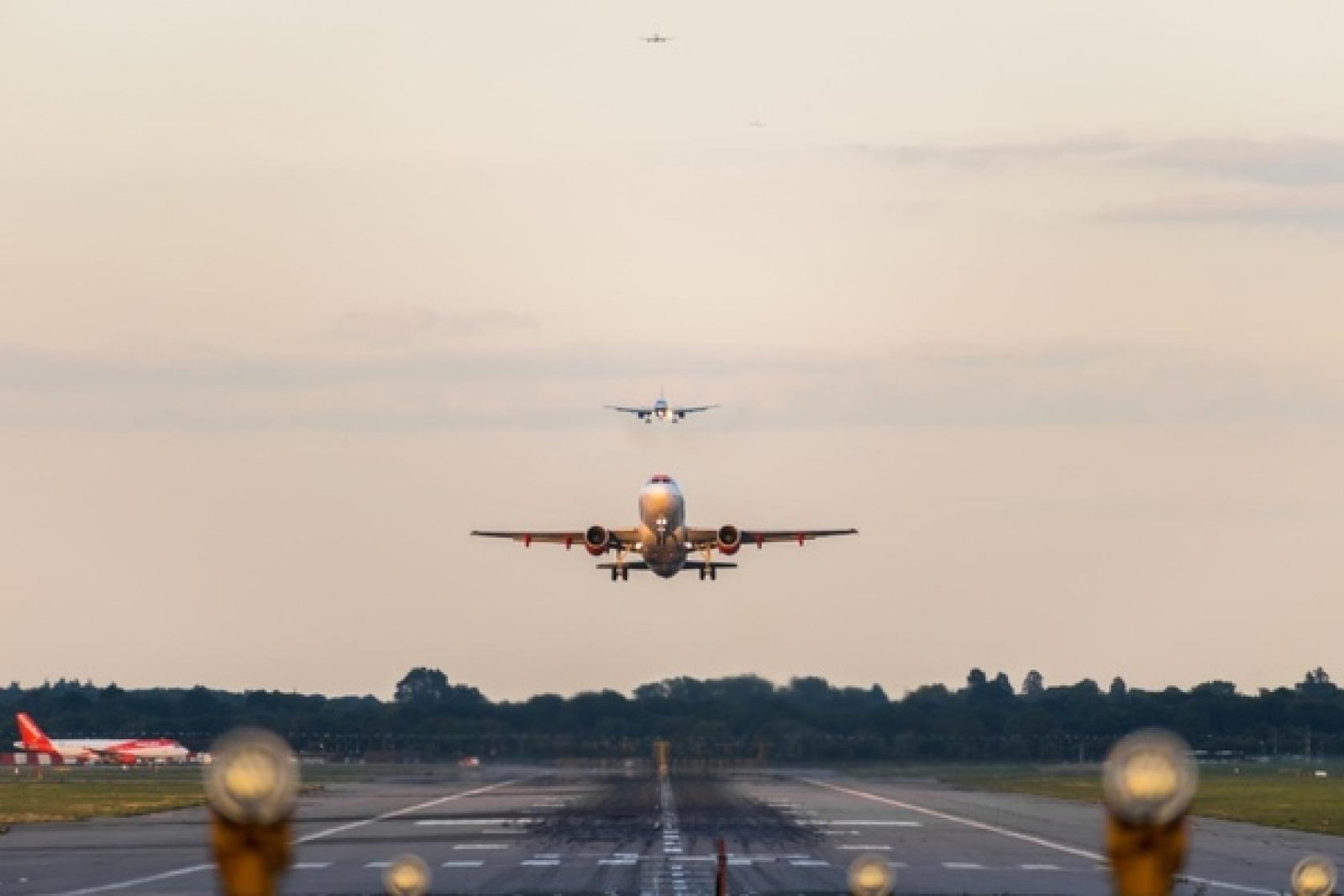
Alexander gave Gatwick the go-ahead – in principle – in late February, but requested more evidence about how its plans to bring its standby runway into regular usewould impact local communities once operational.
In addition to accepting aircraft noise limits, the airport announced last week that it would put forward an improved noise insulation scheme to protect local residents.

It has also agreed to target an increase in passengers accessing the airport by public transport to more than half – 54% – before the runway comes into permanent use. However, it has warned would need the third parties to reinstate the full Gatwick Express train service to achieve the goal.
Prior to the pandemic, the Gatwick Express used to run four trains per hour, but since it restarted in 2022, the service has run two trains per hour.
"This project represents a £2.2 billion investment, fully funded by our shareholders and it is essential that any planning conditions enable us to make full use of the Northern Runway,” said chief executive Stewart Wingate.
If the 54% target proves difficult to achieve, Gatwick said it would limit access by road, and stressed if it still couldn’t be achieved, the airport’s second runway would not come into use until planned £350 million road works were completed.
“We are confident our amended proposals will allow us to grow sustainably and meet passenger demand, while addressing the matters raised by the secretary of state in her letter, including noise and environmental impacts,” Wingate added.
Local campaign group Communities Against Gatwick Noise and Emissions (CAGNE) welcomed the airport’s proposals, but raised questions about whether Gatwick’s noise reduction plans would be legally binding, which it said offered residents “a guaranteed limit to the noise they will have to endure from departures and arrivals with two-runway operations”.
"Our legal and expert team will now analyse Gatwick’s response to the secretary of state for transport’s letter of 27 February 2025 and will respond to all proposals submitted by the applicant, as required by the secretary of state and the planning process,” a CAGNE spokesperson added.
Gatwick initially submitted its application to bring its standby runway into regular use in summer 2023, claiming the project would generate 14,000 jobs and an economic return of £1 billion a year.
“By increasing resilience and capacity we can also support the UK’s position as a leader in global connectivity and deliver substantial trade and economic growth in the South East and beyond,” Wingate added
The House of Commons’ environmental audit committee has launched an inquiry into the UK’s various ongoing airport expansion efforts, including those at Luton, Gatwick and Heathrow, to determine whether they can go ahead without compromising the UK’s existing climate and environmental pledges.