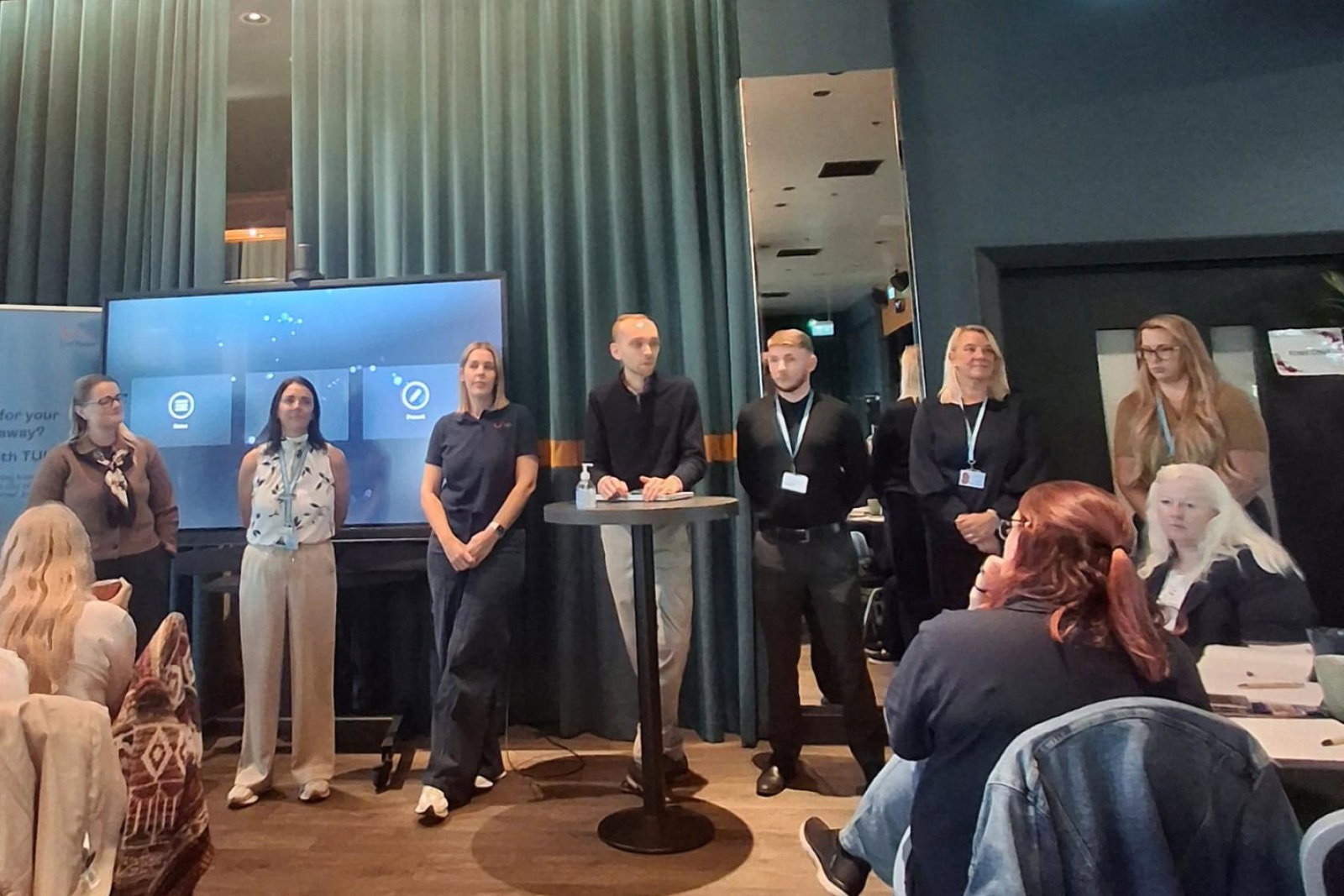
BHX welcomed roughly 100 trade partners at its inclusive travel event this week, marking its latest initiative to improve the experience for disabled individuals.
The seminar, run in partnership with Tui, covered the airport’s programme for supporting the rising number of passengers with accessibility needs travelling through its terminal.
This year, the airport has seen a 17% increase in demand for assisted travel, with requests jumping from 330,000 in 2025 to 390,000.
“Over the last 10 years growth of assisted travel has far outgrown the growth of general passengers,” said Aaron Corless, Accessibility Operations Manager at BHX.
To accommodate this shift, the airport has rolled out 12 new ambulifts in order to safely transport passengers with reduced mobility to and from the aircraft.
Prior to this £3.8 million investment, staff relied on second-hand vehicles or recycled catering units to drive passengers around – neither of which were fit for purpose.
“There were times last year when we operated with just two vehicles because the 14 or 15 we had on-site were unreliable,” Corless said. “These new ambulifts have changed the whole operation and really enabled us to address barriers to customers’ journeys.”
BHX also offers the Sunflower Lanyards scheme, which supports travellers with so-called hidden disabilities like autism or chronic illness.
The need for accurate information
Since launching the service in 2018, it has realised the importance of equipping passengers with accurate information on the airport experience before departure.
Corless believes this reduces the risk of people misunderstanding BHX’s accessibility programme, which can sometimes lead to concerns from the public over “abuse” of its offerings.
“Someone might pre-book assistance because they believe their queue will take 30 minutes, when actually it’s only 10 minutes,” he said. “It’s therefore important we don’t rely on preconceptions and instead share accurate information beforehand.”
BHX’s team also highlighted the importance of pre-notification, urging agents to request assistance for their clients at least 48 hours before departure. Mobility aids, including details on the exact battery type and dimensions, medical equipment and assistance dogs must also be declared.
“The quality of information at the booking stage directly influences the quality of the airport experience,” said the BHX team.
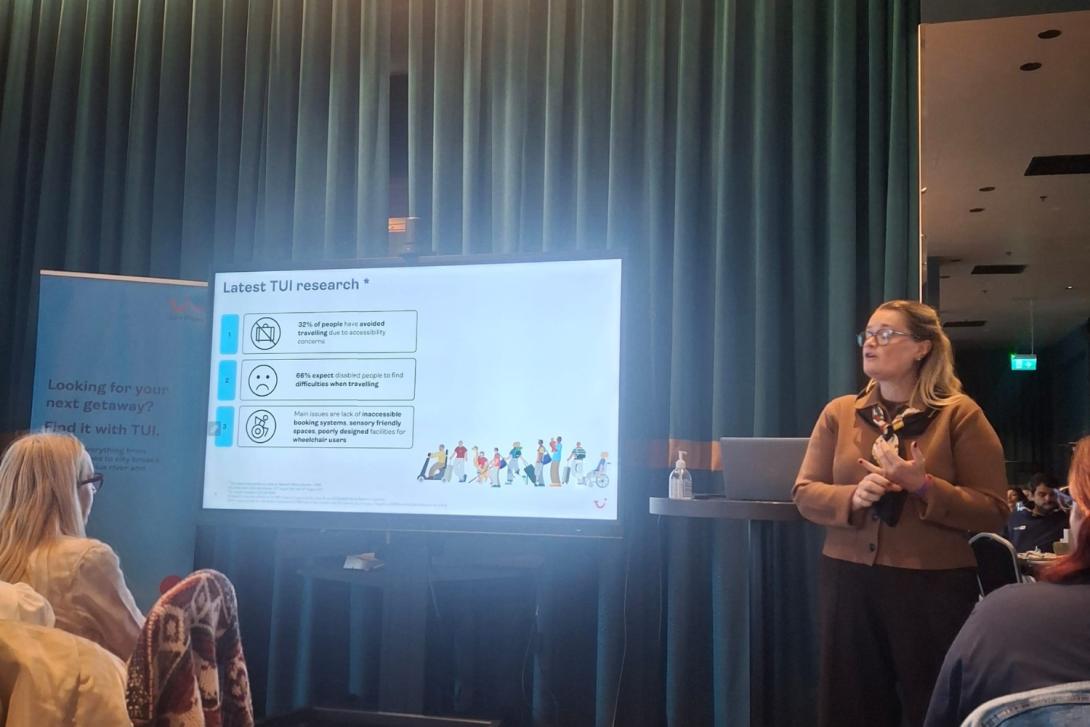
Tui staff, including Accessibility Manager Marina Snellenberg, also spoke about the tour operator’s approach to supporting travellers with disabilities. Snellenberg stressed that while there is “no such thing as a 100% accessible hotel”, Tui is committed to providing “100% accurate information”, before taking questions from agents on subjects such as guaranteed accessible rooms and accessible excursions.