Views about tourism taxes ranged from being 'transformational' to 'a waste of time' during a panel debate at Spain Talks yesterday.
The annual trade event, now in its fourth year, is organised by the Spanish Tourist Office, hosted at the Spanish Embassy in London and aims to drive UK-Spanish collaboration and sustainable progress.
One of the sessions, moderated by travel expert and broadcaster Simon Calder, focused on tourism taxes and presented arguments for and against them, from a destination point of view.

Speaking in support of tourism taxes were Pere Granados, mayor of Salou, and Nick Brooks-Sykes, director of tourism, Marketing Manchester.
The argument against was presented by Margarita del Cid, mayor of Torremolinos and Kate Nicholls OBE, chief executive of UK Hospitality.
Tourism tax is currently delegated to a regional level in Spain. Major areas with taxes include Catalonia (with higher rates in Barcelona than in Salou, for example), the Balearic Islands and Santiago de Compostela.
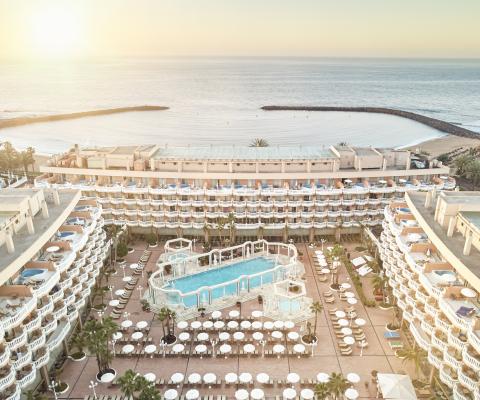
Granados said that visitors to Salou had been paying tax for several years, with the amount varying depending on the type of accommodation. Salou has a permanent population of 33,000, which is swelled by more than two million annual visitors. Granados explained how this influx of tourists put huge pressure on public services and urban spaces.
“It causes us to invest and someone needs to pay that for that investment. Of course, we want tourists to visit us and enjoy our services but they need to pay for them, like permanent residents do,” he argued.
“Tourists are not going to stop visiting because we charge them a euro for waste collection and keeping the streets clean,” he continued. “We have lots of loyal and repeat visitors. When we transform urban spaces, that benefits the tourist too. The best place to live is also the best place to visit.”
A UK example was championed by Marketing Manchester’s Brooks-Sykes. He explained how the northern city had doubled its hotel capacity in the last decade, which necessitated a plan to drive more demand for overnight visits. For the past three years, Manchester hotels have charged their guests £1 per night for the length of their stay, which now raises nearly £4 million a year.
“This money is spent on driving visitors to the city, through marketing campaigns; by securing more conferences and events such as the Brits; and improving cleanliness and security in the city,” said Brooks-Sykes.
He claimed the tax had not deterred visitors from staying in Manchester, while UK Inbound’s Nicholls countered that £1 was a token amount, did nothing to improve the condition of the city for locals, and was an unnecessary admin task for hoteliers.
She put forward an alternative view, that there was nothing better than inbound tourism to benefit a community, on account of the money spent by visitors and the jobs created. “Introduce a tax and you price yourself out of the market. People will go elsewhere,” she said.
"If you have to have a tax, then have national consistency, with a flat fee model," she added, while all panellists agreed that levying higher taxes in a bid to deter tourists was "undemocratic".
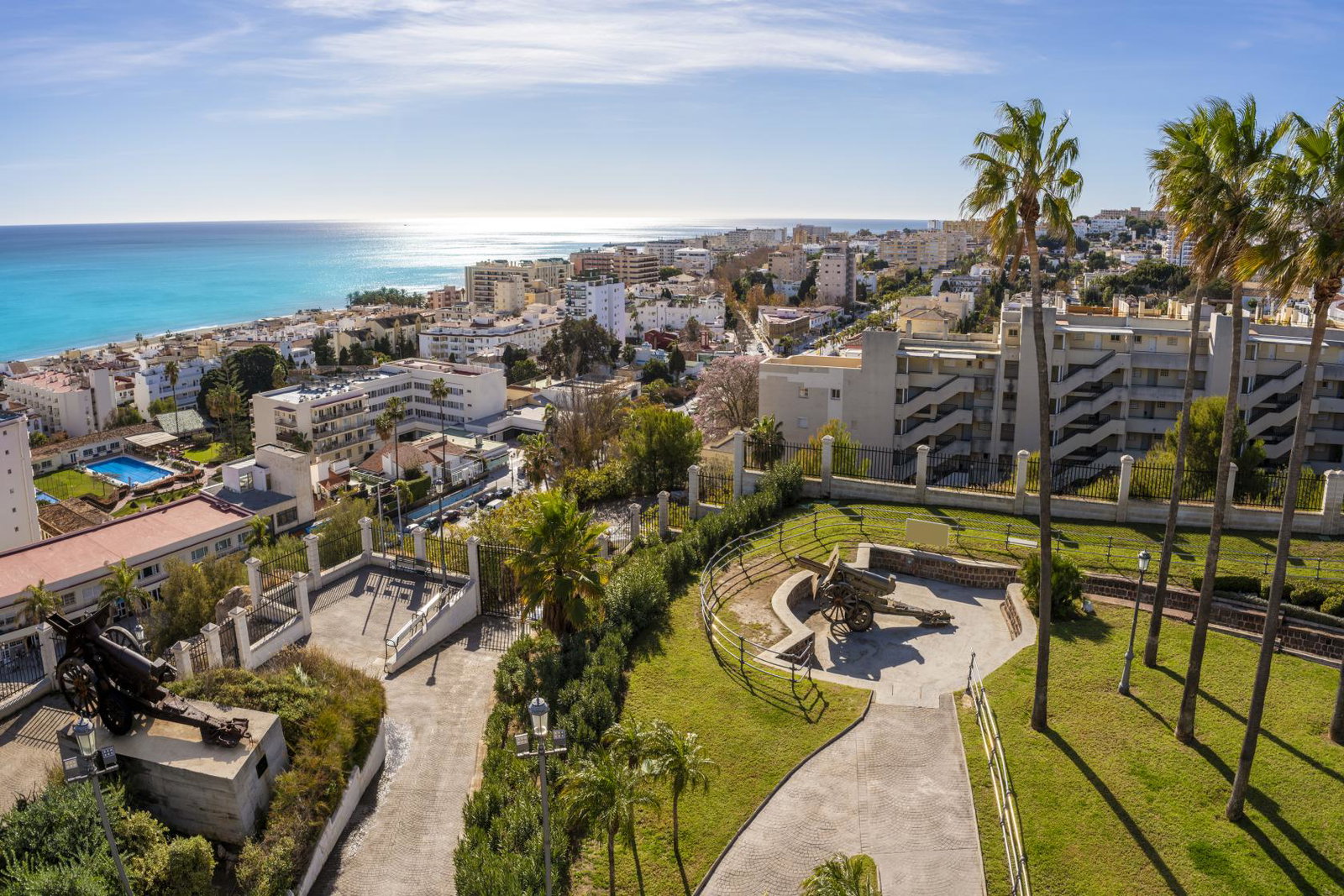
Del Cid explained that her opinions had changed since assuming the position of mayor of Torremolinos. “We don’t want to develop a spirit against tourism,” she said. The town’s resident population of 75,000 is dwarfed by its annual visitors, which exceeds one million. She said a lack of clarity was the major barrier to introducing taxes, portraying the current system as messy and unjust. She queried: “Who manages the tax? Who collects it? What is the money destined for?”
The mayor acknowledged funding was needed to maintain public services but she argued it was a government responsibility, not a municipal one: “The cities that have the most tourists should receive the most money from the government, that would be most fair. If we don’t look after our most visited places, that just causes more antagonism towards tourists.”