





Welcome to New Orleans, where the alligators have attitude and the crawfish have probably done jail time,” is the greeting from my good-humoured guide David Higgins at Jackson Square. Wearing a bowler hat and playing a harmonica as we walk between historic sites, I am fascinated by his mannerisms. He’s what New Orleans truly embodies – charming with an element of whimsy.
Often the first thing that comes to mind when one thinks of New Orleans is Mardi Gras, but after just one morning here, I am in awe of everything the city represents – resilience, history, voodoo culture and, most of all, excellent gastronomy.
STAR OF THE INTERSTATE
New Orleans is a big highlight on a road trip along the Interstate 10, commonly known as I-10, one of the longest highways in the US that connects California to Florida and runs through Louisiana.
“The further west you go on Interstate 10, the more Cajun it gets,” David says with a smile. “Here in the Big Easy, most of us are Creole and proud of it. We have legends like Leah Chase, the queen of Creole cooking, who set the foundation for African-Americans to dream bigger. She was the inspiration for the Walt Disney character Princess Tiana in The Princess and the Frog.”
Leah Chase’s journey as an African-American chef from 1941 till her death in 2019 left a lasting legacy in Creole cooking. We see long lines snaking outside her restaurant Dooky Chase in the historic Treme neighbourhood.
Starting with something light, I grab some coffee and beignets at Cafe Du Monde in the French Quarter. These square, fried dough pockets dusted in sugar are ubiquitous in Louisiana and were introduced by the Acadians in the 18th century.
The Acadians are present-day Cajuns. They were former residents of Nova Scotia who were forced to flee in 1755 when they refused to pledge allegiance to the British Crown. The Creoles, on the other hand, were a mix of French, Spanish and West African descendants and mainly lived near New Orleans.
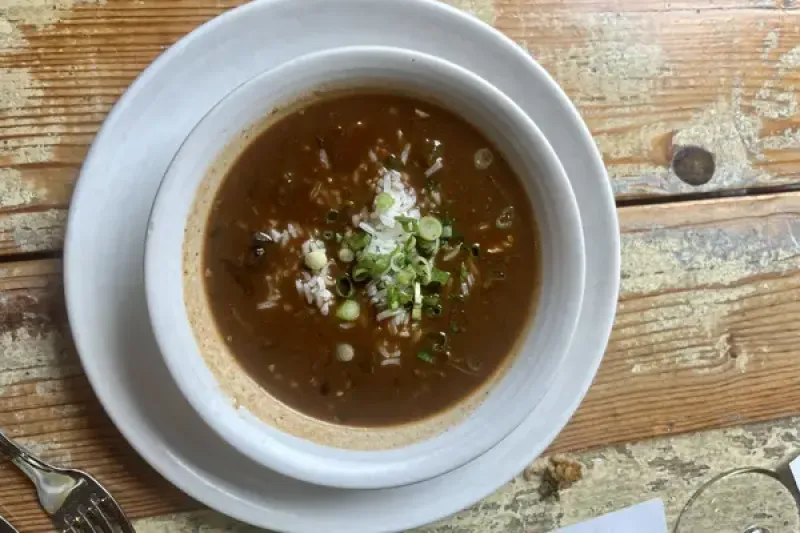
Now it’s time to dive deeper into the food, and I start with a seafood gumbo at Peche. The rich, dark and hearty stew is served with a bowl of steamed rice. I mop up every last bit while trying to ascertain the complex flavours of cayenne, garlic and thyme.
PASS THROUGH THE BATON
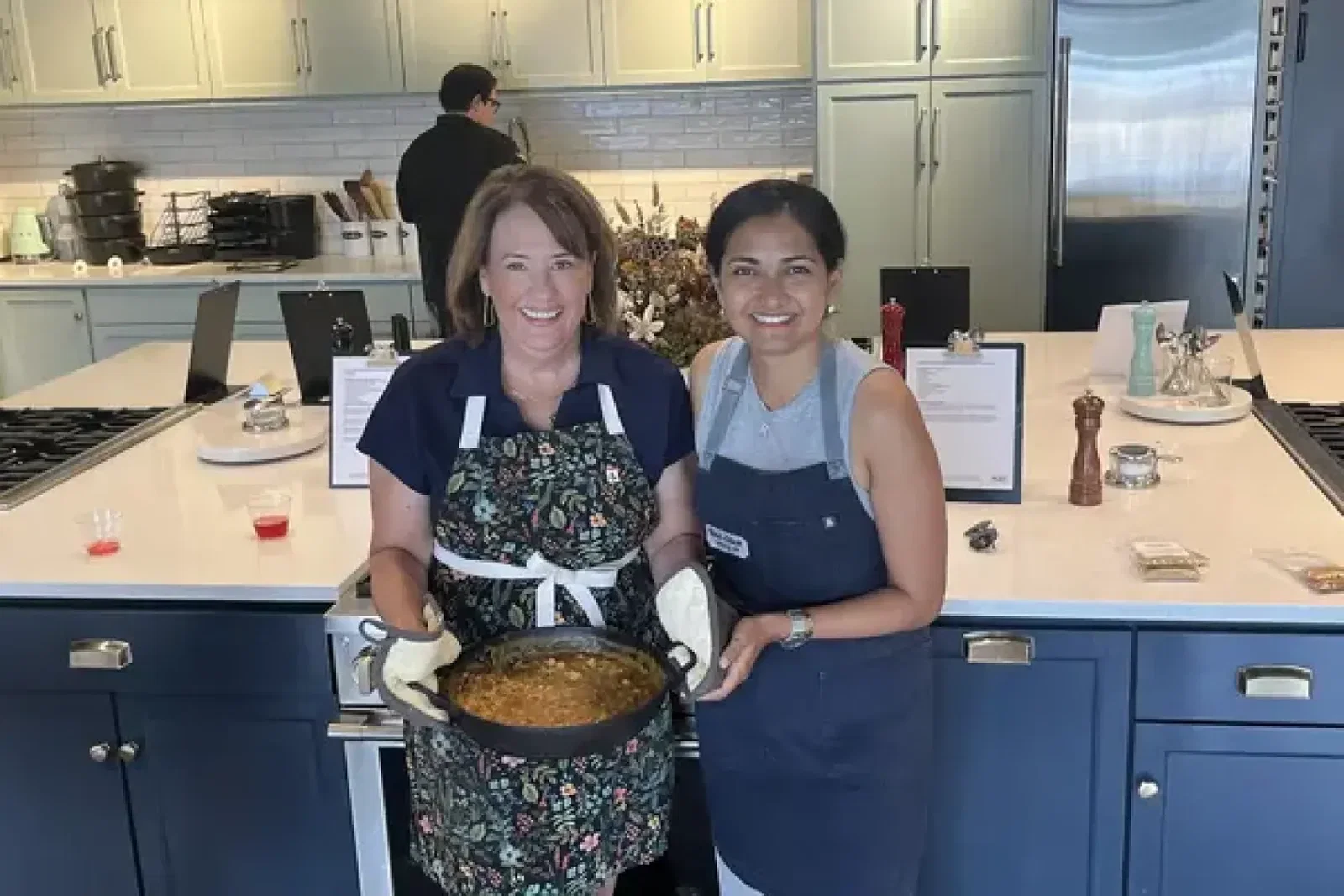
I head an hour west for a cooking class at Red Stick Spice Co, in Baton Rouge. This gourmet spice store is headed by Anne Milneck, a resident in the town for more than 20 years, who carefully lays out everything I need for a crawfish étouffee – a staple one-pot sauce dish prevalent in both Cajun and Creole cuisines.
She explains the basics of cooking in Louisiana by going over elements such as roux (a mixture of flour and fat-like oil or butter to thicken sauces) and the Holy Trinity of ingredients – diced onions, bell peppers and celery – that are added to nearly every dish here.
As we sauté our Holy Trinity, Anne explains what she believes are the differences between Cajun and Creole cooking. “Cajun food has many broad strokes. Nova Scotians settled here in swamps and prairies, and these people were spread really far apart. Their life was hard and they would put a big pot on to cook all day while they got work done. Creoles were closer to the hub of New Orleans and had more access to ingredients and spices. When you look at their food, it’s more sophisticated as it was mainly inspired by French cuisine.”
SLEEPY LAFAYETTE
Continuing my quest, I take a food tour in the sleepy town of Lafayette. Headed by Marie Ducote-Comeaux, Cajun Food Tours takes visitors on a fun culinary journey in a customised minibus that’s adorned with chilli-shaped string lights and Mardi Gras beads. The tour includes five stops at Cajun eateries across the city over three hours.
“Allez, manger!” Marie says cheerfully, implying that we are going to be eating a lot on this tour. She explains how gumbo is a very personal dish to Cajuns. “The way we eat it is definitive of who we are. You may have had gumbo with rice in New Orleans, but here we enjoy it with a potato salad. You are either a dipper or a separatist with your gumbo. Start by dipping it in your potato salad and see where you go from there.”
I realise that I’m a dipper, and the combination of a robust gumbo with a creamy potato salad is a match made in heaven.
Taking a break from eating to embrace the natural beauty of the region, I take an excursion with McGee’s Swamp Tours, spotting alligators and pink-hued spoonbills along the bayou.
CLOSE-KNIT COMMUNITY
My final stop is Lake Charles, in the far west of Louisiana. This casino town was famous as a haunt of pirates, including the notorious Jean Lafitte. Despite every powerful hurricane that the region has endured, it has lost none of its sparkle.
“We have a strong community spirit here. We get together often and cook big meals for our friends, families and neighbours,” says Donnie Glyenn, my guide from Biking through the Lake, which offers excursions on two wheels, stopping by many of the city’s eateries, historic neighbourhoods and its iconic waterfront.
As a fitting end to a trip that has brimmed with hospitality, I enjoy an evening of live Cajun music at Panorama Music House in the city centre. The trio of energetic band members insist that we hit the dance floor while they play ballads with fiddles and accordions.
On this road trip, I’ve learnt that cooking in Louisiana is very much a one-pan affair in a state that is made up of a multitude of ingredients – from jazz music and swamplands to a fascinating history and deep-rooted traditions. It’s a melting pot in the truest sense, and I know I’ll be back to taste more.
Book it: America As You Like It offers a 10-night holiday to New Orleans from £1,910pp, based on two sharing. Includes Heathrow-New Orleans flights and car hire, three nights at the Hotel Saint Vincent in New Orleans, two nights at the Origin Hotel in Baton Rouge, two nights at the Mouton Plantation in Lafayette and three nights at the L’Auberge Casino Resort in Lake Charles; americaasyoulikeit.com