New environmental regulations took effect on 1 January, 2025 in Svalbard. The Norwegian archipelago is situated between mainland Norway and the North Pole, and popular with adventurous travellers who are drawn to experience its raw, unblemished wilderness, most easily accessed with an expedition cruise line.
Svalbard has 29 protected areas covering about 65% of the total land area of the archipelago (61,000km2) and 86.5% of the territorial waters (out to 12 nautical miles).
EXPLORE TTG’S EXPEDITION CRUISE SELLING GUIDE
Cruise ships with more than 200 passengers are now prohibited from accessing Svalbard’s seven national parks and 21 nature reserves; and shore landings in protected areas are limited to 43 designated sites. Ships and Zodiacs must keep at least 500 meters from polar bears from 1 March to 30 June, which drops to 300 meters between 1 July and 28 February. Boats must reduce their speed to a maximum of five knots and keep 500 metres away while passing bird colonies on sea cliffs from 1 April to 31 August.
The purpose of these regulations is to protect wildlife, and while no one would argue against the long-term benefits of protecting such a fragile environment, how will the new regulations affect the expedition cruise experience in the Arctic?
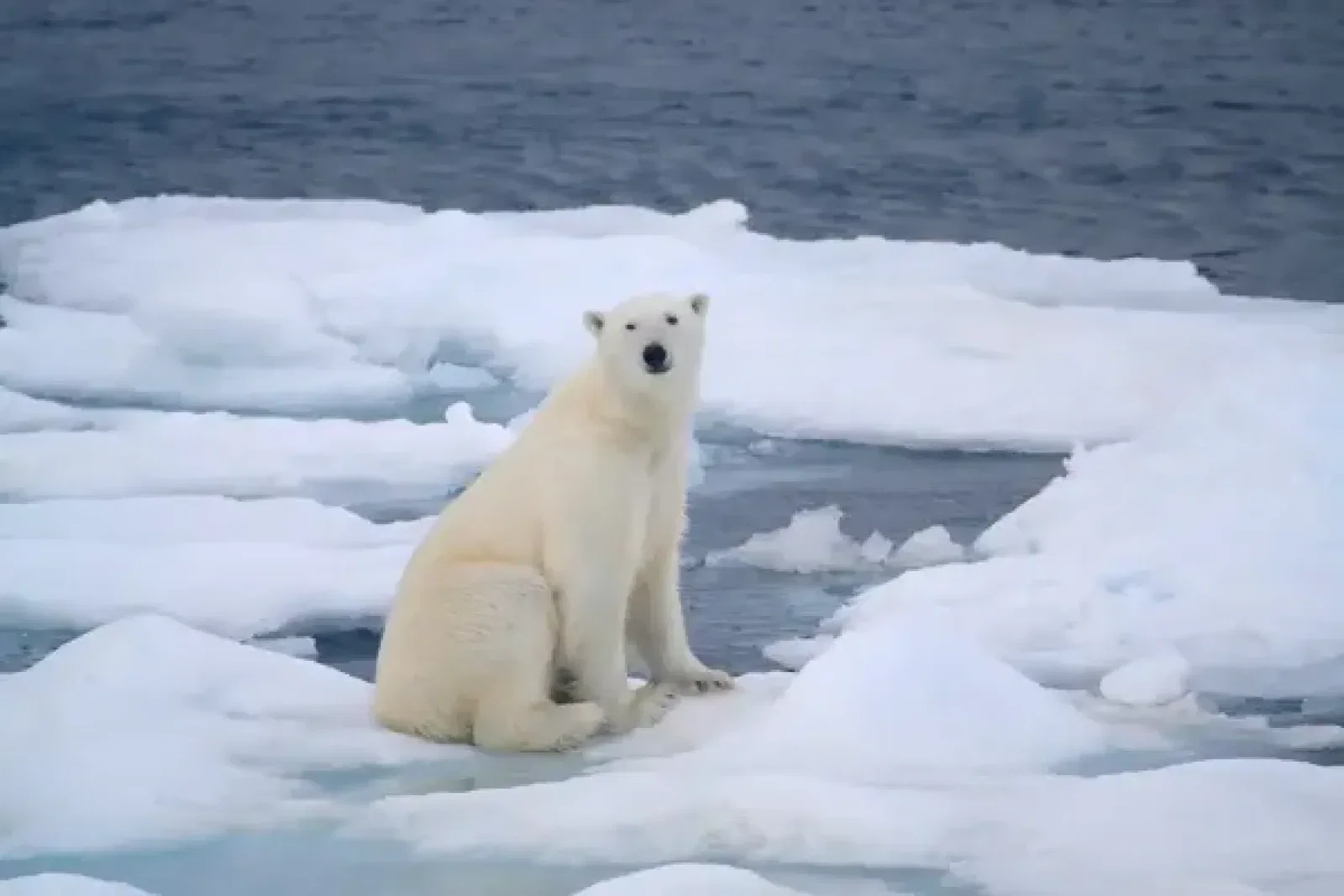
The biggest talking point has been the increase in the minimum distance when viewing polar bears, which now requires ships and Zodiacs to be 500 metres away from the animals between 1 March to 30 June. They are also required to keep a 150-metre distance from walruses gathering on land.
Expedition cruise operators insist that these stipulations will not diminish the experience, and will actually enhance it.
Giorgio Malvermi, marketing manager at Albatros Expeditions, says: “Guests will still have the opportunity to witness iconic Arctic wildlife, including polar bears, in their natural environment. The increased viewing distances reinforce the principle of minimal disturbance, allowing animals to behave naturally without human interference. This means guests can experience truly authentic wildlife encounters – watching a polar bear patrol the ice, a walrus colony interact undisturbed, or seabirds nesting along rugged cliffs – all without altering their behaviour.”
Mariano Curiel, head of operations, product and sustainability at Secret Atlas points out that polar bear regulations are nothing new and that rules set out by Arctic Expedition Cruise Operators (AECO) have been in place for many years regarding the viewing of polar bears. He explains: “Since January 2025, stricter regulations are being enforced in the 12-mile zone of Svalbard waters, but they won’t diminish the experience. The new regulations around minimum distance do not mean that you can’t witness these animals in the wild. Respecting the new Svalbard regulations, small groups can explore further in the pack ice providing ample space for polar bear sightings at a distance against the expansive ice field and dramatic backdrop of the Arctic.”
Bernard Carter, international sales lead for Atlas Ocean Voyages accepts that the new restrictions will limit close-up views of wildlife, but guests will still be able to enjoy remarkable encounters with the proper preparation: “Atlas provides binoculars in every stateroom, and many camera shops offer telephoto lens rentals (minimum 400mm) for travellers who want to optimise their wildlife photography experience.”
It’s also important to remember that the Arctic is about so much more than the polar bear, says Akvile Marozaite, chief executive of the Expedition Cruise Network: “Svalbard is home to an abundance of incredible wildlife and dramatic scenery from whales and walruses to glaciers and guillemots,” she adds.
While the distance restrictions put more pressure on amateur photographers, Marozaite also emphasises that high-quality binoculars and telephoto lenses can be a wise investment, and that ECN members will usually have photographers onboard to help capture those once-in-a-lifetime sightings for posterity.
The reduction in the number of landing sites will alter the way expedition cruise lines operate their itineraries, as many popular spots are located within protected areas. There are 43 sites in Svalbard now limited to a maximum of 200 people and 13 of those are limited to a maximum of 39 people at a time. This smaller cap favours cruise operators such as Secret Atlas, which offers expedition micro cruises hosting just 12 guests.
Curiel says: “Booking with an operator travelling in small groups not only reduces the strain on Svalbard’s ecosystem but also allows for more meaningful connections with nature and fellow explorers. It also allows access to more landing sites and a more flexible itinerary around the best opportunities to view wildlife and polar bears in-line with the new regulations.”
Poseidon Expedition’s Sea Spirit, accommodating 100 passengers and the ability to split them into smaller groups, also maintains access to the 43 landing sites. The line has also signalled it will continue to seek out new and attractive landing sites outside the protected area.
In the Arctic region, Albatros Expeditions operates the Ocean Albatros, a vessel carrying a maximum of 189 guests. Malvermi explains: “While certain landing sites have been closed to vessel traffic, our carefully designed itineraries ensure that guests can still explore the best of Svalbard through landings, Zodiac cruises, and other activities.”
Atlas Ocean Voyages’ yachts accommodate fewer than 200 passengers, allowing continued access to all 43 landing sites. The line is expanding its Arctic presence, with an earlier season launch in late May 2026 and new six and seven round-trip voyages from Longyearbyen offering shorter expedition options. Carter explains: “The new restrictions benefits Atlas Ocean Voyages, and we expect additional demand for our intimate yachting expedition experience due to these updates.”
The new regulations are more challenging for HX Hurtigruten Expeditions, because only its two smallest ships Spitsbergen and Fram, with slightly reduced passenger loads, are now able to operate in the protected areas. From June 2025 to August 2026, the line is offering 10 departures of a 14-day circumnavigation of Svalbard, and Karin Strand, vice-president of expeditions development, says passengers should embrace the unpredictable nature of such voyages: “Each time our ships depart from Longyearbyen their expedition will be different from the last one, which, for photographers, means heading into the unknown and trusting in our expert expedition team.”
The general consensus among Expedition Cruise Network members is that the restrictions are necessary to preserve Svalbard’s wilderness for future generations. Indeed, Secret Atlas would like to see the 200-passenger cap be dropped even lower.
Marozaite says: “Our members, who sail in Svalbard, all passionately believe in protecting the fragile environments they operate in. It is the first priority after the safety of guests and crew and our members have conscientiously been adhering to strict wildlife viewing rules in Svalbard for years. If the regulations ensure Svalbard and its wildlife are properly protected for generations to come, then we believe they are a small price to pay.”