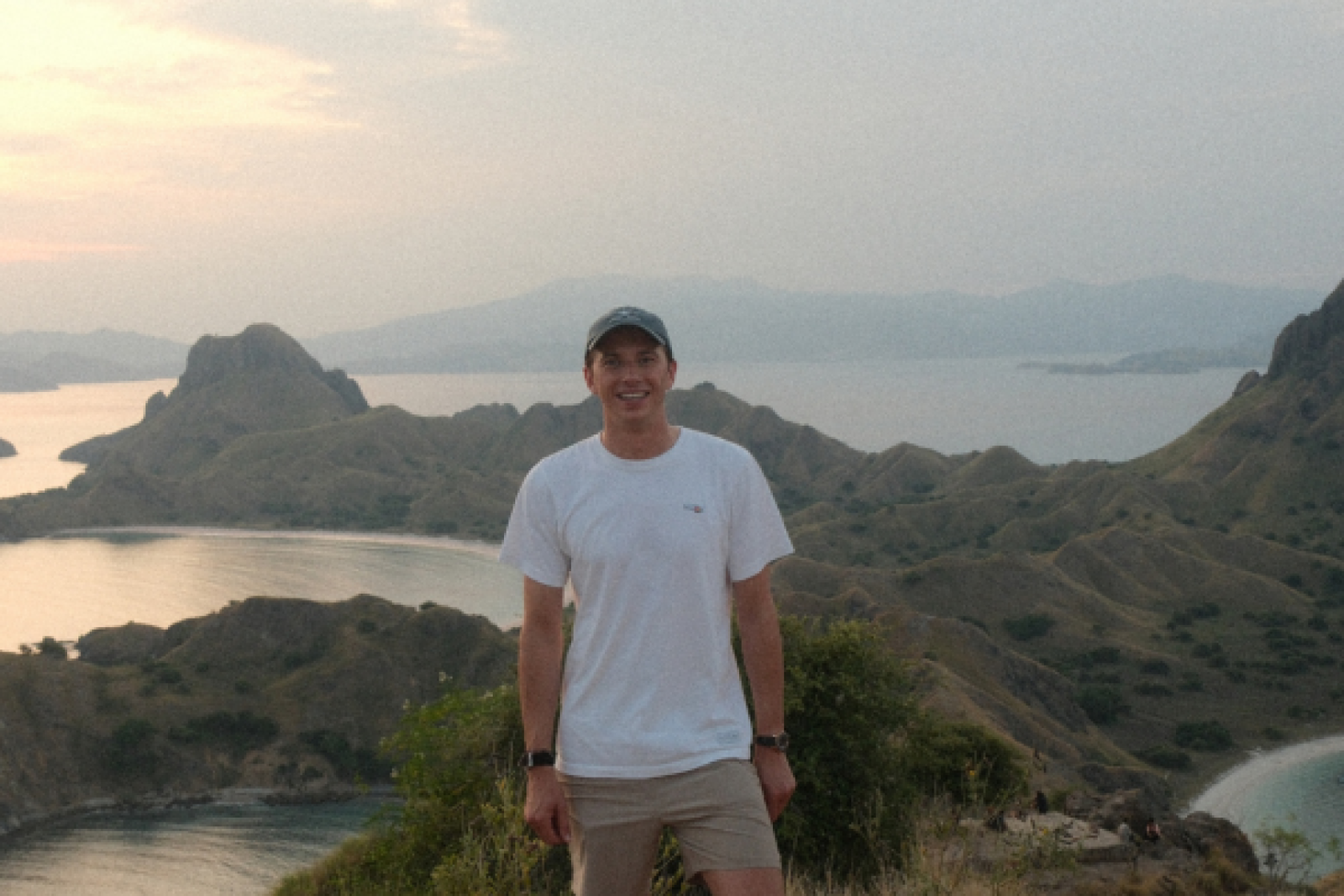
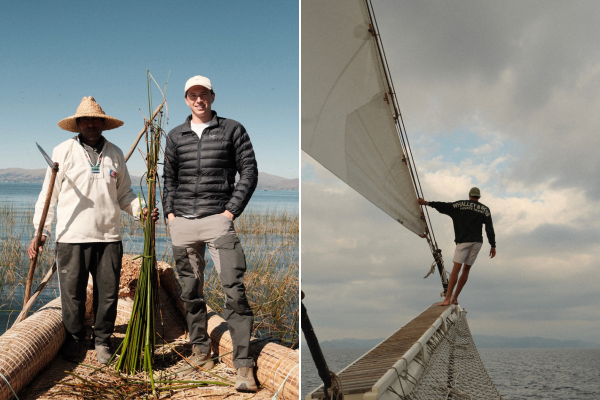
A top advisor has revealed why he launched a luxury agency with military ethos after being named one of the finalists of the 2025 TTG 30 Under 30.
Ruari Whalley-Ross, co-founder of Whalley & Ross, runs his bespoke travel business with the same principles he learned in the British Army Reserves – having realised the two professions “complement each other perfectly.”
Clients can expect military-grade planning, robust security protocols and microscopic precision, as well as the expert knowledge of a team who has VIP connections all around the world.
The London native had hoped to join the Army full-time after university, having “always had my sights set” on a career in the forces.
However, his plans were scuppered when an injury delayed his application and he was forced to consider alternative options. Having already completed work experience at a travel-start up founded by ex-military officers, Whalley-Ross began to toy with the idea of merging his passion for the Army with bespoke luxury travel.
“I realised I could strike the perfect balance: build a career in travel while still scratching that military itch I’ve had for as long as I can remember.”
Military methods
Whalley-Ross took the leap last October, launching his self-named luxury travel business after spending several years as a senior travel consultant for Pelorus. Like many advisors with an UHNWI and HNWI clientele, he offers a personalised service with a range of exclusive benefits. What may set him apart from his competitors, however, is the philosophy behind his success.
“Everything we do is underpinned by military-inspired processes, from the first client conversation right through to when they return home,” Whalley-Ross explained.
“We’ve taken military principles and reshaped them into our own versions specific to travel. For example, an ‘After Action Review’ might sound a bit aggressive for a honeymoon, but internally we use the same principles, adapted to ensure we are creating the best possible and most personalised end-to-end travel experience.”
Discipline and flexibility are critical, he added: “The military is all about detail, adaptability, and calmness under pressure. As the saying goes, ‘no plan survives first contact.’ That mindset is essential in luxury travel, where you’re operating across borders, time zones, weather variables and countless moving parts.”
Security and ‘quiet luxury’
It’s no secret that security has become a major concern for high-net-worth clients, with 62% of luxury travellers now viewing safety as a “highly important” part of their trip.
“It’s something we see as an increasing priority, especially in today’s volatile world,” said Whalley-Ross. “‘Quiet Luxury’ is our guiding phrase at the moment, and for me that doesn’t just mean sending clients to a remote camp in the middle of nowhere – it’s about peace of mind.
“When it comes to sending high-profile clients into more risk-sensitive regions, my military background means I can sit down with their security teams and speak the same language, or draw on my own network when needed.”
His team also occasionally develops “field-inspired” experiences, which give adventure-leaning clients a taste of an activity that’s “more demanding.”
Whalley-Ross went on to highlight one itinerary in India which required extensive behind-the-scenes measures, due to the high-profile status of the client.
From vehicle number plate changes to local support team shadowing, each point of the trip was carefully orchestrated. These actions were also all completed discreetly, to ensure they didn’t disrupt the client or compromise the luxury of the experience.
“The client never even noticed,” said Whalley-Ross. “That’s the point – not every client wants to see the ‘military’ side. Some just want to switch off on a beach, and that’s exactly what they get. But internally, we know we’ve covered every angle.”
Reconnaissance as preparation
“In the military, reconnaissance is about preparation, information gathering and precision – all of which are central to designing complex travel,” Whalley-Ross explained.
“That might mean boots-on-the-ground recces before clients arrive, or risk-mapping remotely and briefing local teams in detail. Either way, the goal is the same: anticipate every variable so that once clients are on the ground, everything feels seamless.”
This doesn’t mean his team are averse to spontaneity, however. Whalley-Ross firmly believes that it’s this extensive preparation, which solidifies the foundation of the trip, enables his staff to be creative in the final touches of the itinerary: “Our planning ensures safety and structure, but leaves space for those unscripted moments that surprise and delight.”