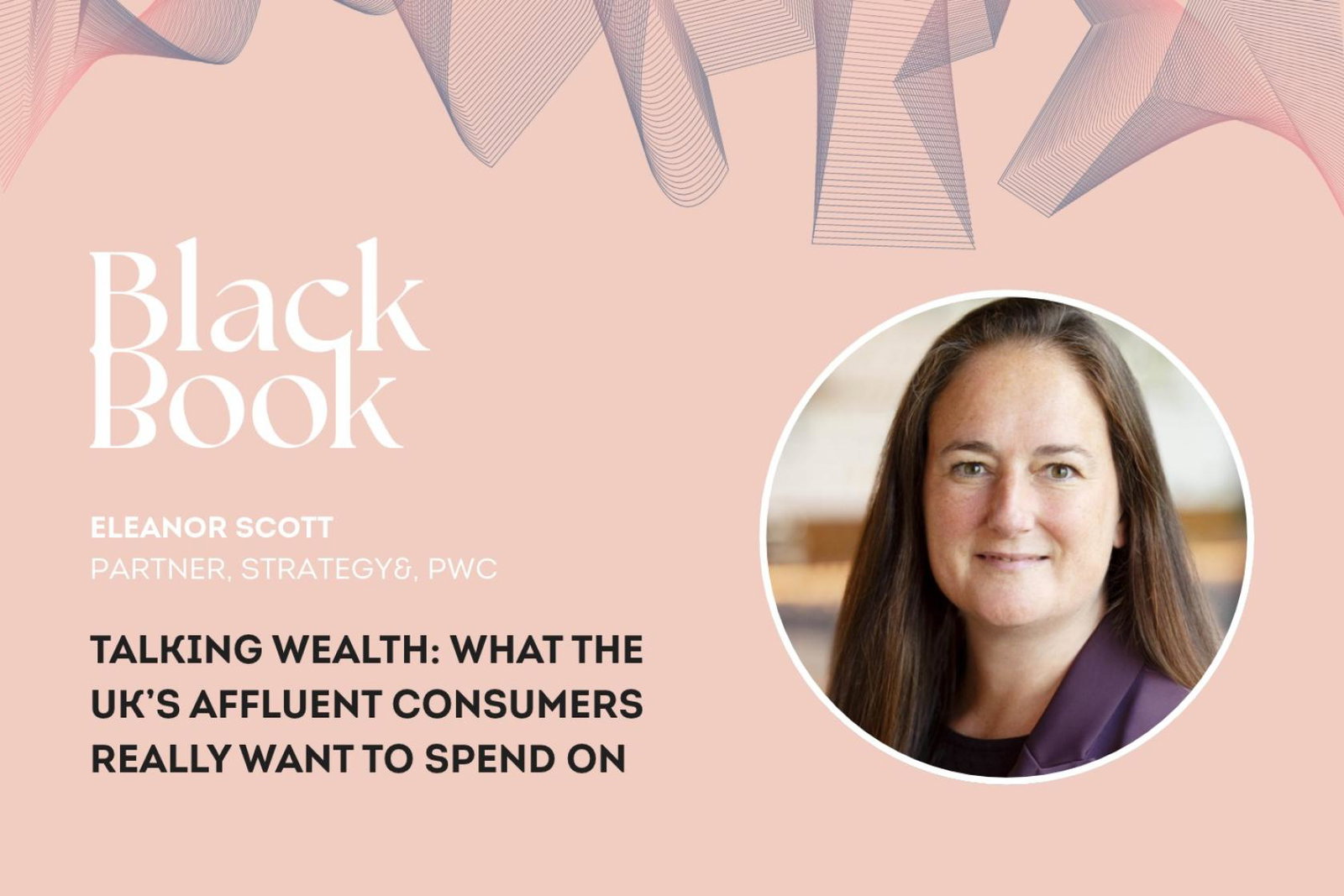
Eleanor Scott, Partner at Strategy&, part of the PwC network, presented the findings at the first edition of Black Book by TTG Luxury event, which was held at London's Business Design Centre this week (21-22 October).
The research suggests luxury travel businesses face a more nuanced consumer landscape than one defined by simple "financial resilience".
Rising costs have prompted some travellers to reassess their holiday budgets, while "macro-level" considerations – including geopolitical uncertainty – are creating "cautiousness", with one-fifth (20%) of respondents to an underlying consumer survey saying the Middle East conflict was a concern for international travel.
"A lot are thinking, 'I've got money, but is now the right time to spend it?'," said Scott. "That's the backdrop for this year, so there's a bit more persuading involved for agents."
The high cost of holidays was cited as a barrier to international travel by nearly a third (31%) of high-income respondents.
However, those expecting to spend less are more likely to adjust their plans than abandon their holiday plans altogether. Some 26% said they planned to take shorter trips, 22% expect to take fewer holidays and 17% intend to switch from long-haul to short-haul travel.
AI used through the 'whole holiday life-cycle'
AI has also now become a routine aspect of the way affluent travellers' research and book their holidays.
More than half (53%) of high-income respondents said they used ChatGPT or other generative AI tools for holiday inspiration or research, 20 percentage points higher than the overall survey population.
Some 31% said they had booked something recommended by an AI tool, while 36% had added an AI-recommended destination, hotel, experience or other travel option to their shortlist.
"They're doing a lot with it," Scott said. "From itineraries to getting recommendations while they're on the ground – really the whole holiday life-cycle – AI is being increasingly used."
'Overall, it's quite a positive picture'
The findings, Scott explained, create a growing incentive for travel businesses to ensure their products are GEO-friendly, although Scott stressed traditional channels "remain important".
GEO stands for generative engine optimisation – essentially, ensuring product is as discoverable as possible via AI channels.
Search engines were used by 84% of high-income respondents, while 76% used direct suppliers, including hotels and airlines, and customer review sites. Two-thirds (66%) used tour operators, underlining the continued relevance of travel trade businesses alongside newer research tools.
"Overall, it's quite a positive picture, and definitely more positive than that of the average traveller," Scott added.