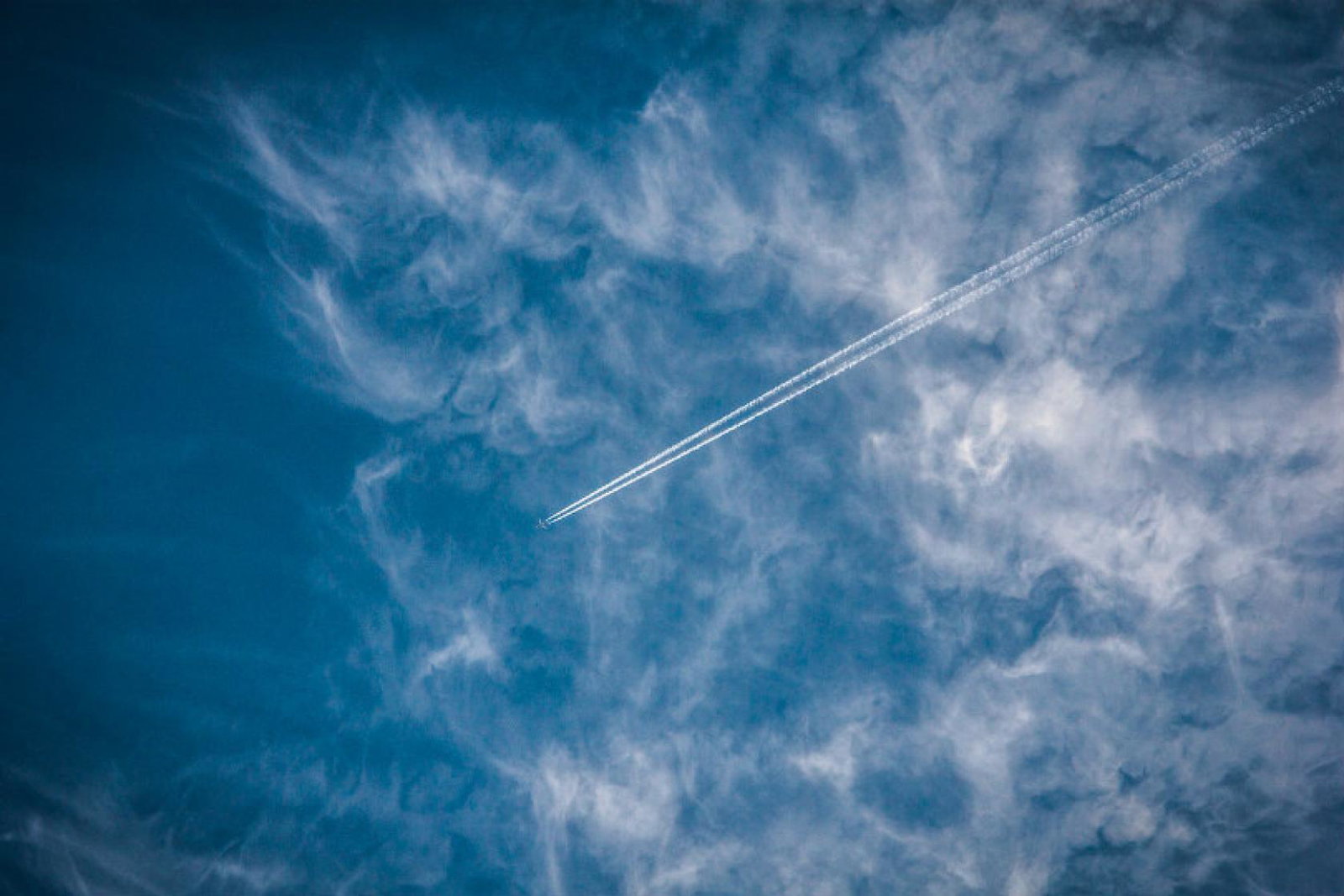
Mark Tanzer said Abta was “very aware” of the challenge of achieving net-zero carbon by 2050, but warned: “I feel if we don’t make progress and we don’t tell people about it, then we are at risk of the government saying, ’we’ll make progress for you’.
“They’ll put in place very strong carbon taxes that make travel expensive and will discourage people from flying because you’re not showing it can be done in a low-carbon way.
“So, I think it’s of vital importance to the sector that we make progress and show we are making progress on decarbonisation. We’re working with our members who have airlines to understand what they can do.”
Tanzer said the issue was broader than just carbon, encompassing the whole supply chain – particularly hotels. “The sector, and particularly the large tour operators, I think have been quite mature over the past few years in collaborating on sustainability through their supply chains,” he said.
“We have, within Abta, Travelife, which works with hotels to help them audit and improve their sustainability performance, not just in terms of energy, water management, waste management, and so on, but in terms of the social part of what travel is – do employees have proper contracts? Are they using locally sourced suppliers for food?
“It allows tour operators to show throughout the whole supply chain, the industry is acting sustainably. During Covid, some of that has been out on hold because a lot of hotels have been shut. But as they come back online, none of them are saying they don’t need to do that, so I think we’ll see that pick up.”
‘Right balance’
Tanzer stressed tourism remained a positive force. “We published our Tourism For Good report last year which detailed a lot of the good things tourism does while recognising the negatives and the duty to manage those.
“We need to get the right balance. Stopping people travelling isn’t the answer. If you look at the UN’s sustainability goals, number one is reduce poverty. If you think of the impact tourism has on reducing poverty across the world, it’s huge – 10% of the world’s population is employed in tourism in one form or another, particularly in countries where there is no other economic base.
“If we simply said we’ve achieved our sustainability goal by not flying anywhere, you’d achieve that one, but you’d certainly not have managed to reduce poverty, you would have increased it.”