Earlier this year, SriLankan Airlines signed up to oneworld, becoming the first airline from the Indian sub-continent to join an alliance. Gary Noakes looks at how these groupings are playing out in aviation
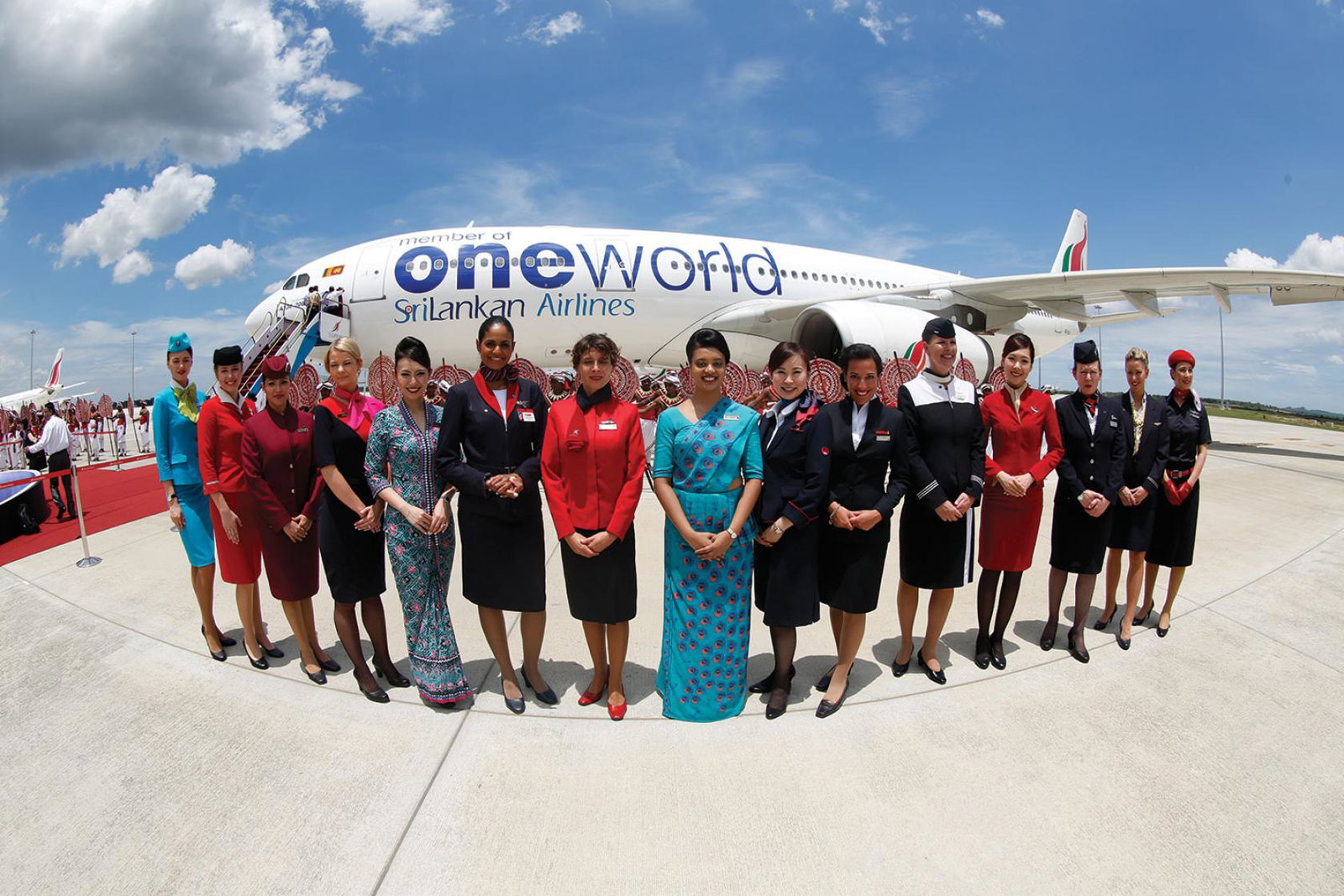
The line-up of cabin crew resembled a 1970s beauty contest host, but those seated in the packed hangar in Sri Lanka were not there to judge a parade. The 14 flight attendants in the vast but stifling room - one from each oneworld member - were actually there to welcome the alliance’s latest recruit, SriLankan Airlines, making oneworld the first to boast a carrier from the Indian sub-continent.
One small step for oneworld was a giant one for SriLankan, which now finds itself partnered with the likes of British Airways and American Airlines. SriLankan is the latest carrier to join an airline grouping and caps a flurry of activity by alliances in the last two years and particularly by oneworld, which had been largely dormant.
Rivals Star Alliance and SkyTeam were stealing a march on the BA grouping, but this seems to have been redressed, as Rupert Hogg, oneworld’s chief operating officer, was quick to point out in Sri Lanka.
Since March 2012, oneworld has admitted Malaysia Airlines, Air Berlin, BMI, Qatar Airways, Lan Colombia, Brazil’s Tam plus US Airways and affiliate members including US carriers SkyWest and ExpressJet.
“In two years oneworld has bought onboard 15 airlines, either full members or affiliates. They have added more than 250 destinations and 1,000 airports,” he said.
Like a Premier League manager with an open cheque book, oneworld has attracted some big name signings, with Qatar the only one of the big three Middle East carriers to join an alliance and Tam giving a big foothold in Latin America - a huge potential market. These two years have seen oneworld’s customer numbers rocket 74% to more than 500 million and its total aircraft fleet increase from 1,000 to 3,300.
Business travellers are the most important to alliances and oneworld receives a third of sales from the top 100 business cities. Oneworld has a 26% share of these, second to Star Alliance, and claims that one more member will push it to the top spot in this sector.
However, the alliance has finished its membership drive for now, as chief executive Bruce Ashby acknowledged: “Oneworld does not have big plans to go off and conquer space, it will be a quiet period for us. We don’t have any gaps in our network, although that’s not to say we will not talk to airlines around the world.”
Oneworld’s rivals are likely to face the same problem with new recruits, with fewer and fewer carriers to entice.
Shooting star
Star Alliance meanwhile boasts 26 members with 4,300 aircraft carrying 638 million passengers, making it the most powerful grouping. Its big loss this year was Tam, whose merger with Lan saw it switch to oneworld - a move mirrored by US Airways after its marriage with American Airlines.
There have been other setbacks for Star Alliance. In 2012, BMI’s absorption by BA meant the alliance lost its UK partner, with Spanair’s collapse coming in the same year.
Nevertheless, Star Alliance gained Shenzen Airlines, Colombia’s Avianca, El Salvador’s Taca Airlines and Panama’s Copa Airlines in 2012; Eva Air in 2013 and should finally get Air India this summer - a much bigger catch than SriLankan.
Among its core membership, the presence of United Airlines, Singapore Airlines, Air China and the Lufthansa group offer Star Alliance definite clout. The alliance also boasts three of Africa’s four strongest carriers - Ethiopian Airlines, Egyptair and South African Airways, making it the clear choice for frequent fliers there.
One Star Alliance carrier to watch is Turkish Airlines, which will operate from one of the world’s biggest hubs when the new 100 million-passenger Istanbul airport opens from 2017. Star Alliance will extend its reach in July when Air India joins, seven years after it first applied and after the Indian government relaxed rules on
foreign investment, meaning the airline has a more stable future.
A major boost will also come this month, when Star Alliance acquires exclusive use of the new Heathrow Terminal 2, making flight changes less traumatic for passengers.