Pressed on Wednesday (12 February) by parliament’s transport committee on when he expected the first flights from the proposed new runway to take off, Kane said he expected “spades in the ground shortly” on works to enlarge Terminals 2 and 5 at Heathrow, but did not commit on the new runway.
“The chancellor says 2035 is the ambition," Kane told MPs. "Heathrow is aware of that ambition."
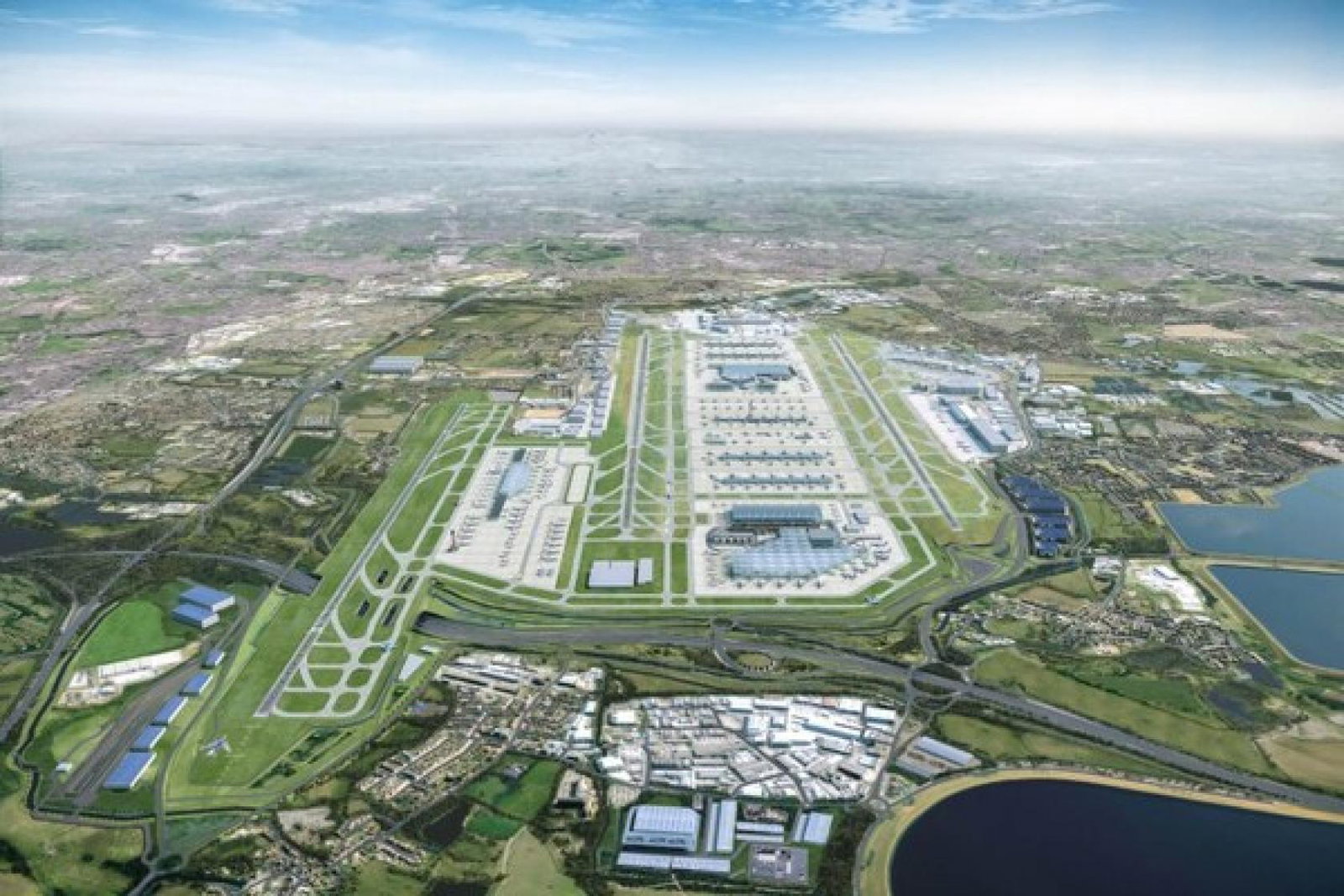
Building the third runway will involve moving part of the M25 underground and relocating an immigration centre and incinerator.

Kane was quizzed on the cost of the project to the public purse. “We don’t know what the proposal is going to be," he said.
"But surface access improvements that solely benefit the airport are typically funded by the airport themselves."
Kane continued: "Surface access transport will have to improve to get more passengers to Heathrow, and therefore we expect Heathrow – or a related party – to come forward with that to show how they can fund it,” Kane said.
He added noise insulation for homes around the airport would also have to be funded by the developer.
Costs of this nature, if born by Heathrow, may be passed on in the form of increased charges to airlines and therefore higher fares.
Kane said the evidence for expansion Heathrow was apparent. “We are just full; it is [at] 95%-plus [capacity] at the moment and that can be damaging, that means we push people to hubs elsewhere – it is taking the pound out of the UK.”
However, the committee also heard from Dr Alex Chapman, a senior economist at the New Economics Foundation, which argues against airport expansion.
Chapman disputed the argument business passengers needed increased connectivity, saying they had been in decline since 2006 and were 20% down since the pandemic.
He added the previous argument was that business demand displaced low value leisure flights. “That is not what’s happening," he said. "What we see is 680,000 more passengers to Antalya [and] 220,000 to Dalaman – that is not helping the UK economy.”