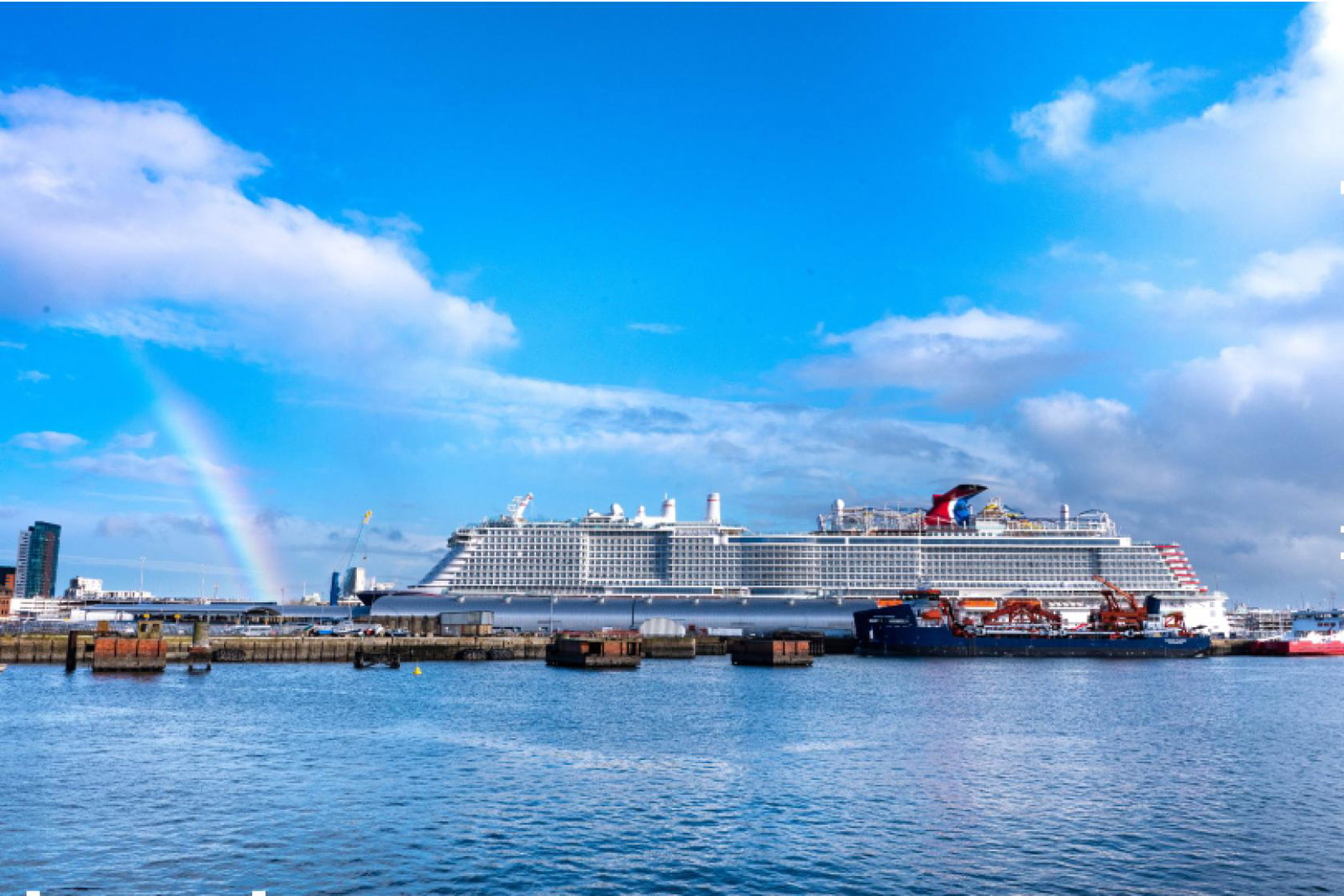
Carnival, which is parent to a number of ex-UK brands including P&O Cruises, Cunard and Princess, set out its progress towards is 2030 and 2050 sustainability goals in its 13th annual sustainability reports, which comes with a majority of the Carnival Corp fleet now back in service post-pandemic.
The group said it was making "major strides" towards its 2030 goals and "setting the pace" industry-wide on pursuing carbon-neutral operations by 2050.
Carnival claims to be the only "major" cruise operator producing fewer greenhouse gas emissions now than it did in 2011; the group says it is on track to achieve a 40% reduction in carbon intensity by 2030 versus 2008, and a 20% reduction by 2030 versus 2019.
In addition, the business says through fleet optimisation, energy and itinerary efficiencies, and the introduction of new technologies and fuels, it expects to achieve a 15% reduction in fuel burn per available lower berth this year, as well as a 15% reduction in emissions by the same measure relative to 2019.
Carnival currently has eight LNG-capable ships in operation, with another three on order; these will, by 2025, account for 20% of its total fleet capacity.
Other developments include piloting the largest-ever battery installation on a passenger ship onboard AIDAprima and testing new fuel cell technology powered by methanol-derived hydrogen on AIDAnova. AIDAprima and Holland America Line’s Volendam are also trialing biofuels as alternatives for fossil fuel-based propulsion.
Elsewhere, the group is upgrading its fleet to eco-friendly amenities such as LED lighting, which is expected to save 5% fuel consumption a year per ship, while 57% of Carnival’s global fleet is now able to utilise shore power in port, reducing emissions and noise.
Other key focuses include reducing food waste by 40% per person by 2025, introducing dehydrators to reduce waste volume by "upwards of 90%", continuing to reduce single-use plastics and re-evaluating supply chain partnerships.
Carnival added that in addition to its efforts in respect of its environmental performance, the group was committed to continuing its work to cultivate a workforce "mirroring the diversity of the 700 ports and destinations it visits worldwide".