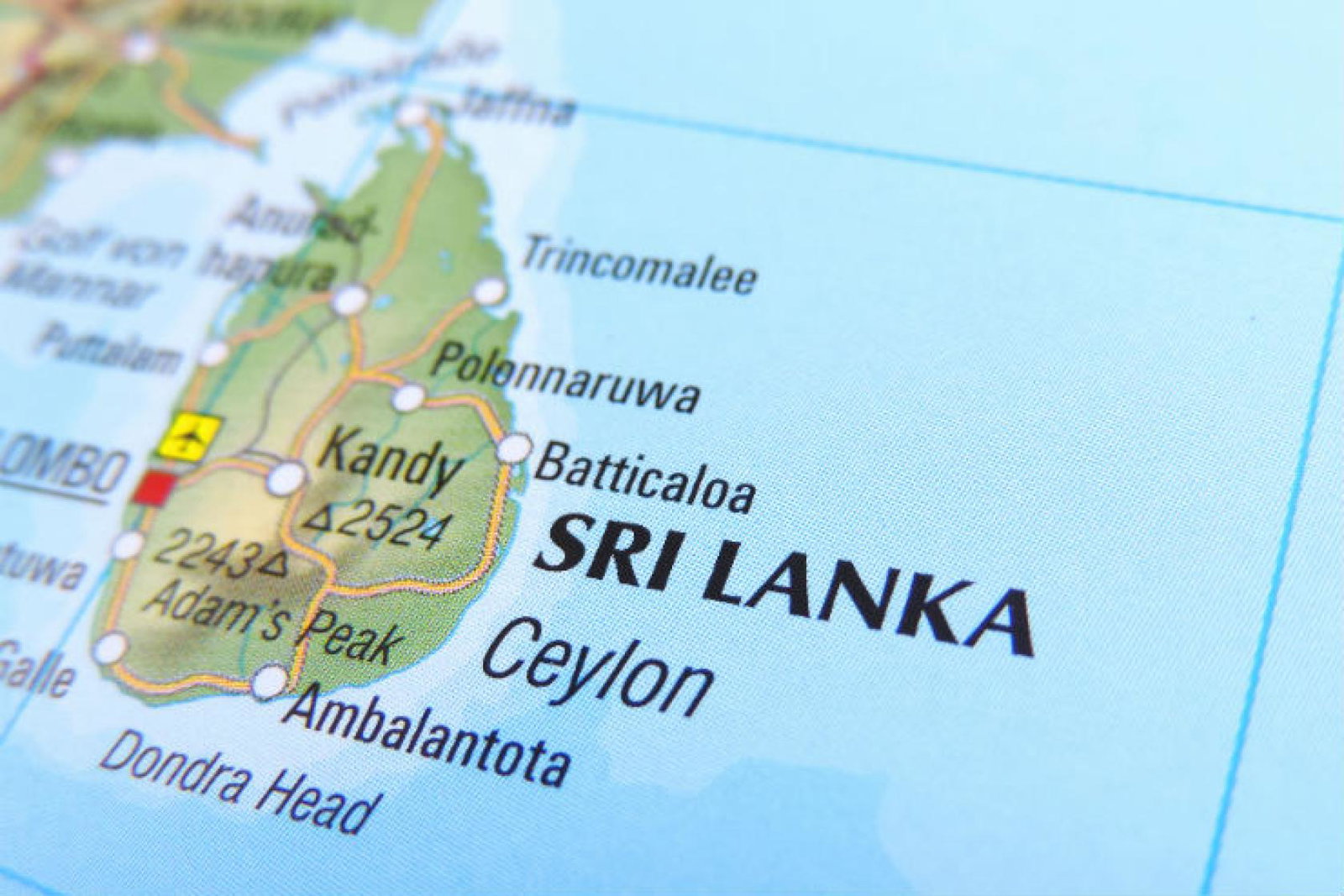
A vote in the country’s parliament on 20 July will determine whether an interim president will be installed amid a growing economic crisis that has seen food and fuel shortages and mass protests across the island.
Sri Lanka’s president Gotabaya Rajapaksa yesterday fled to the Maldives and is seeking asylum in Singapore. Prime minister Ranil Wickremesinghe is acting president, but both are seen as responsible for economic policies that have crippled the country.
Carl-Johan Carlstedt, an intelligence analyst at Dragonfly, a geopolitical and security intelligence service, said: “The power vacuum needs to be addressed to move out of the economic crisis.”
However, he said there was no agreed candidate for the leadership so far and warned any rescue package for the country from the International Monetary Fund was dependent on regaining government stability.
The FCDO has advised against all but essential travel to Sri Lanka and is now advising any Briton there to remain at their residence or leave.
Carlstedt said: “As far as we can tell the majority of airlines are continuing flights into Colombo airport and there is no limit on getting in and out of the country, but the major challenge remains that the majority of private vehicles do not have fuel.”
A state of emergency has been declared and Manish Gohil, a Dragonfly cyber-analyst, said there was the potential for security forces to use live rounds. “This is particularly so if Wickremesinghe attempts to remain in power.”
He added: “Over the next few weeks we do think a breakdown in law and order, and a crackdown is the likely scenario.”
Dragonfly puts the likelihood of the latter at 60%, with a public order crisis 70% probable, but Gohil said the chance of a military coup was “an outlier scenario”.
Carlstedt added: “Military sources we have spoken to tell us that they also have families that are suffering, so they have sympathy with the protestors.”