The European Commission has announced the EES will be rolled out in stages over a six-month period to avoid imposing a hard deadline on the launch and risking operational resilience and long queues.
Once in place, the EU Entry-Exit System (EES) will take the form of an automated IT system and will replace passport stamping.

Travellers crossing into the bloc from non EU-countries will have to submit to biometric checks – facial images and fingerprints – when they cross external Schengen borders.
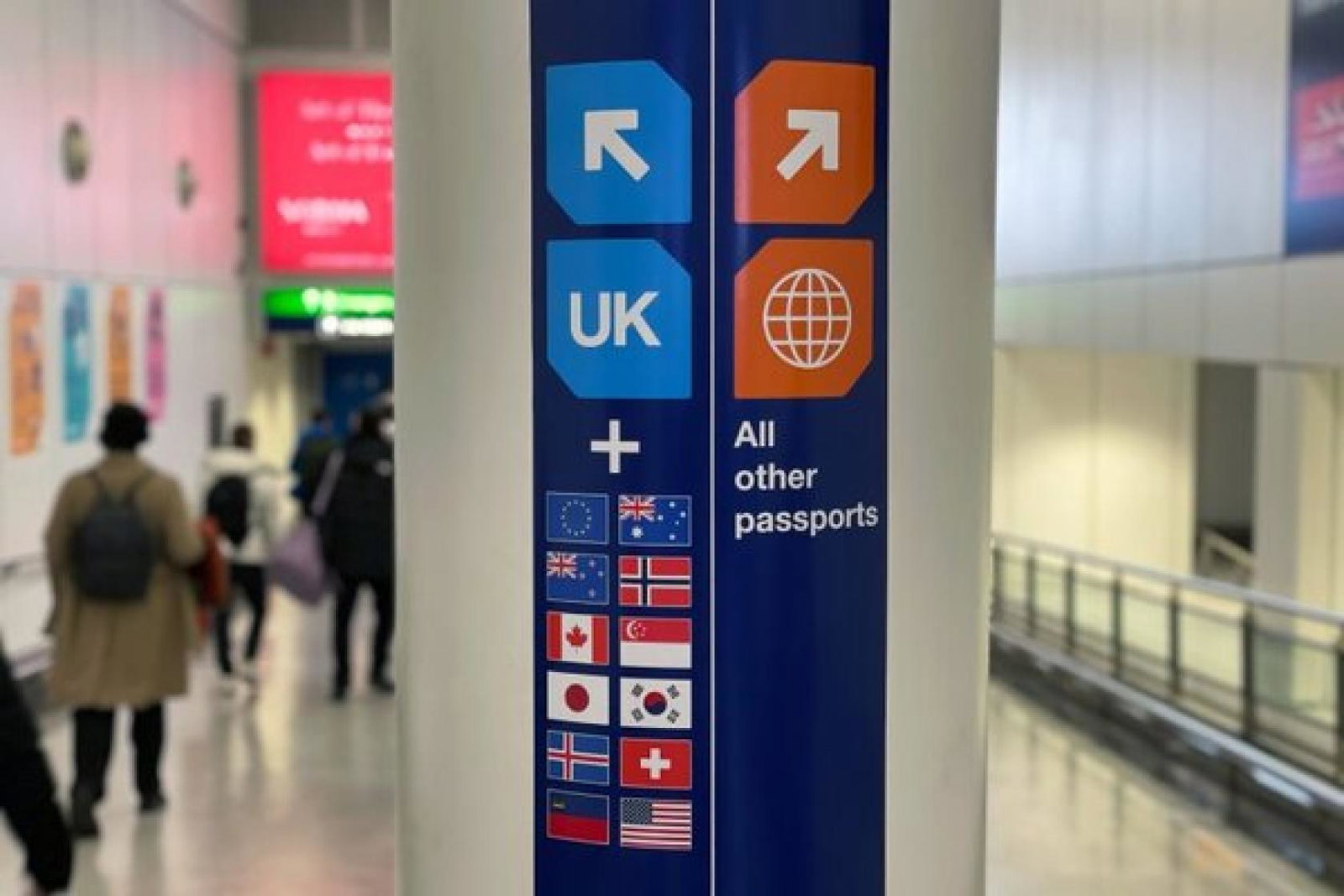
In the UK, the EES will apply at all designated EU border points such as Dover, Eurotunnel in Folkestone and Eurostar’s St Pancras terminal. For those travelling by air, checks will happen at their arrival airport.
While a new date for the launch is yet to be determined, the EU said in mid-March it was aiming for an October start date, which prompted the FCDO to release new travel advice.
According to the commission, member states will need to ensure that, on the first day the system takes effect, at least 10% of all border crossings will be carried out using the new biometric rules, rising to 50% by day 90 and 100% by the end of the six-month phased launch period.
However, MEPs have urged the commission to give member states more freedom, allowing them to decide whether to roll out the system gradually or all at once.
They have also called for the system not to be trialled during the peak summer and winter seasons, and to be backed up by contingency planning.
In their most recent proposal, MEPs suggested member states be able to choose to implement the EES more gradually and have more flexibility, such as achieving 10% of all border crossings by day 30 instead of day one while reducing the day 90 target to 35% of all crossings.
"The purpose of the Entry-Exit System is to make EU citizens safer,” said Belgian MEP Assita Kanko. “With this gradual rollout, we aim to get the system up and running as soon as realistically possible.”
After years of delays, the commission last summer announced the new biometric system would be rolled out in mid-November 2024.
But less than two months later, European ministers were forced into a U-turn after France, Germany and the Netherlands said they wouldn’t be ready for the November deadline, highlighting concerns over a lack of live testing of the new IT systems.
The EU has also delayed the introduction of its €7 Esta-style visa waiver, Etias, to the last quarter of 2026, similarly citing the need to adopt a more phased approach to the scheme. Etias will rely on a full launch of EES to operate.